 ISAAC WOOTEN
a long way south
My
Story
I grew up on a small farm in Livengood, Alaska, an hour and a half north of Fairbanks on the Elliott Highway. No electricity. No running water. No internet, and no sense that there was one to miss. What there was: animals, forest, weather, and a lot of time.
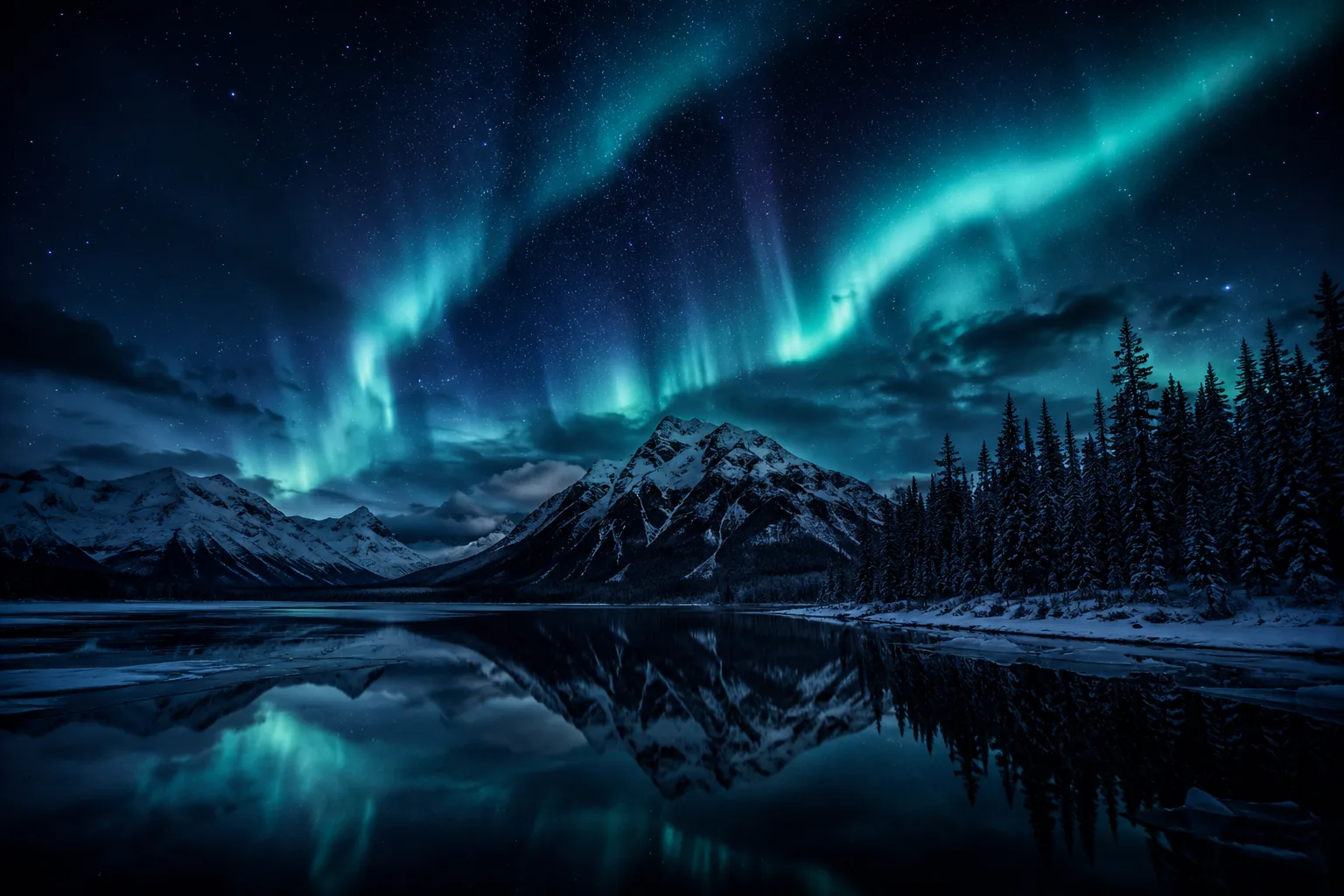
Before any of it was plugged in
Water came in by hand. Light came from a lamp, and heat came from wood somebody had already cut. When the power is not a thing you have, you stop thinking of it as a thing that can fail — you just do the work the long way, every day, and it does not occur to you to resent it.
The animals had to be fed whether or not you felt like it. The forest started where the yard stopped. Most of what there was to do, you had to make up, and most of what broke, somebody in the house fixed. That is the whole of it, and it turned out to be the useful part: I learned to build the thing myself before I learned that buying it was an option.
The first flushing toilet I ever used
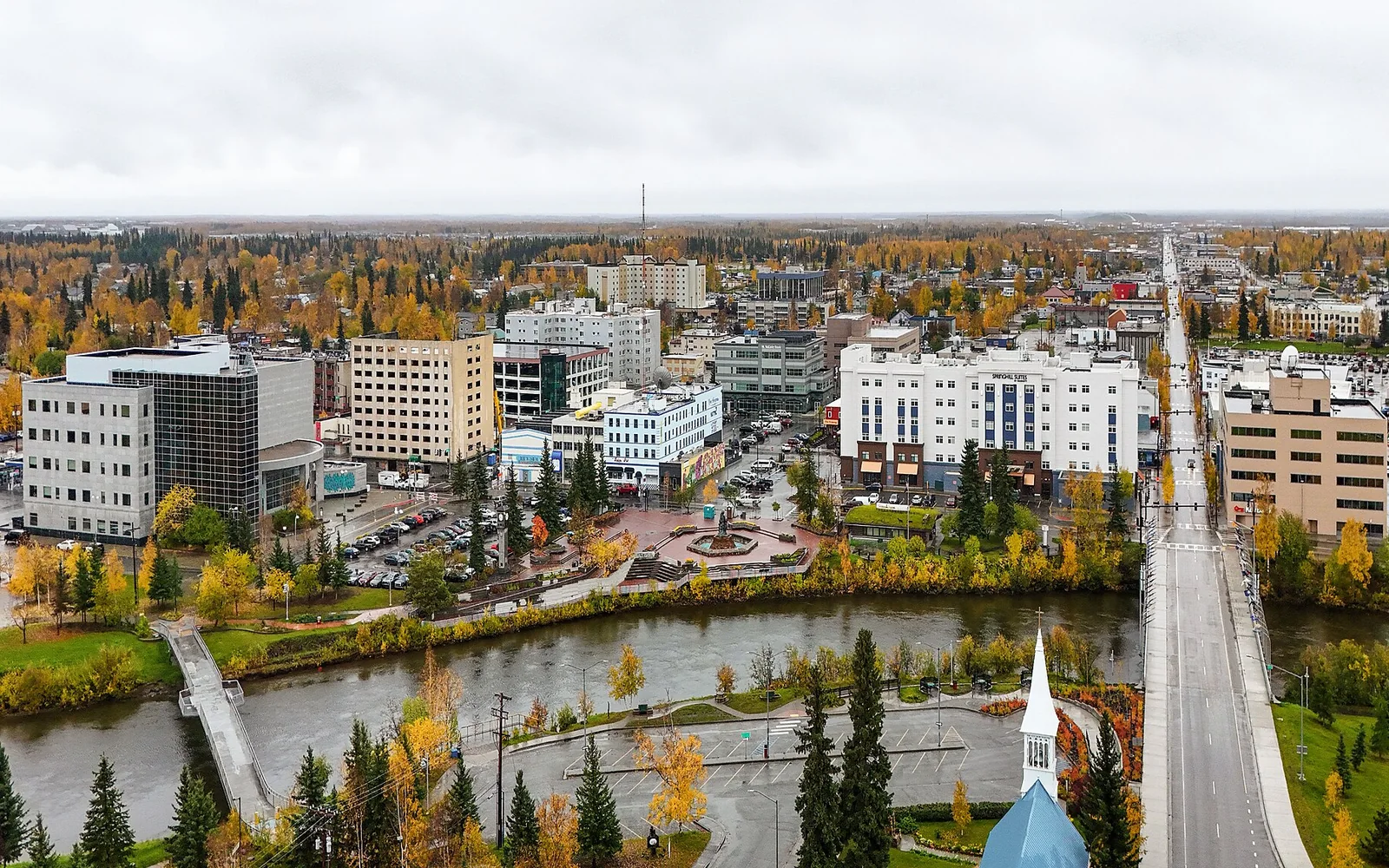
We moved into Fairbanks when I was seven. I remember the plumbing before I remember the house. A tap you turned. A toilet that took care of itself. It sounds like a small thing to be amazed by and it was not a small thing.
Town came with everything else at once: music, drawing, baseball, a snowboard, a skateboard, and other kids to do all of it with. Livengood taught me to make my own entertainment; Fairbanks taught me that other people are the better version of it. I got good at enjoying things, and good at making friends, and I have never found a reason to get worse at either.
I also assumed everyone in town ran a generator, because that is how electricity worked where I came from. Coming into Fairbanks for the first time, looking out at all the lights, I said to my parents: “Hey look, everyone has their generators on.” I had been in the bush long enough that a grid was not a thing I knew about. Now I build AI systems on top of data centres that draw more power than I could have imagined a use for.
A wolf, drawn on a school computer
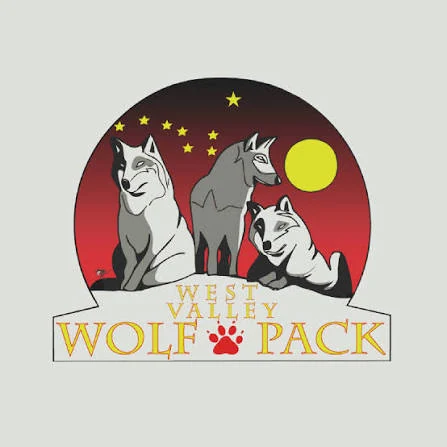
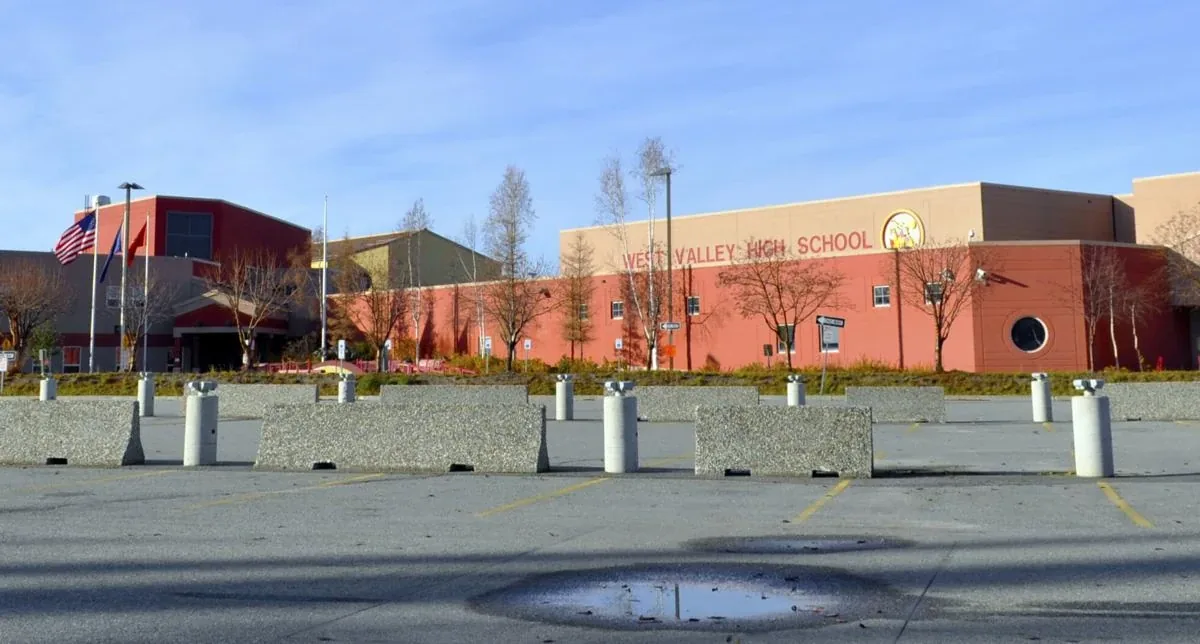
Junior year at West Valley High School I found the computer art lab, and that was the end of any other plan. The school ran a contest for a new logo. I entered it. I won it.
Three wolves on a ridge under the stars, a moon, and a paw print in the wordmark. The school used that mark from 1999 until 2024 — twenty-five years on the gym floor, the letterman jackets, the sign out front. It is still the longest run any piece of my work has had, and I drew it before I knew design was a job you could have.
South, for the first time
I graduated in 2001 and moved to Seattle for the Art Institute of Seattle. It was the first time I had lived anywhere that was not Alaska, and it is where graphic and web design stopped being the thing I liked doing and became the thing I did.
Everything after that — the agency, the ventures, twelve years at Google — runs from there. But the instinct underneath it was set a long way before Seattle, on a farm with no power, where if you wanted a thing to exist you went and made it.