 ISAAC WOOTEN
Twelve years designing Google Cloud. Today I lead the team behind BigQuery’s AI-native tools.
Agentic BigQuery, BigQuery Studio and the Data Agent Kit are live on a top-3 revenue product in Google Cloud. Built by a team I grew from five to eleven, with patterns adopted across the org.
Today
Role
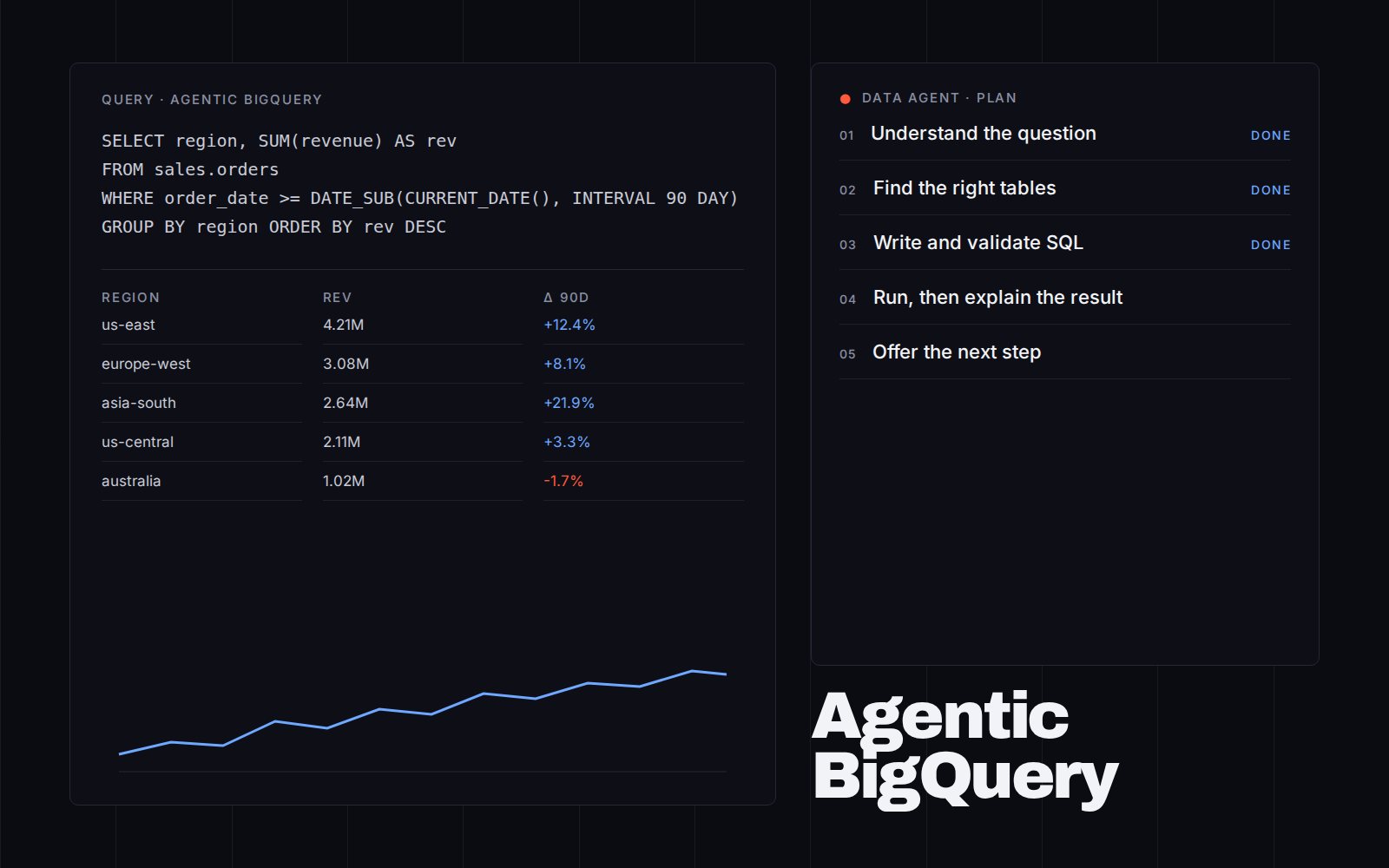
Twelve years on the same products, from individual contributor to design manager. I lead the developer-experience design team in Data Cloud UX: Agentic BigQuery, BigQuery Studio, Databases Studio, the Data Agent Kit for VS Code and Data Apps for Notebooks.
My depth is data and big-data tooling: BigQuery, Dataflow, Dataproc, Dataplex, Pub/Sub, Spark. Data is the substrate of modern AI, and the analysts and engineers who work it are exactly who the agentic era has to serve. At the center is BigQuery, a Gartner Magic Quadrant leader and a top-3 revenue product in Google Cloud.
Still technical
I read the code and the Figma. It makes calls faster, earns engineers' trust and keeps design grounded.
Growing designers
Grew the team from five to eleven. Hiring, mentoring and calibration with one goal: designers leave more senior than they arrived.
Direction over decisions
Sharp intent and a high bar, not sign-off on every screen. Direction scales. Bottlenecks don't.
Influence at scale
Design lead in a multi-thousand-person org. Landing work at that scale is influence, not authority: build the case until the right work is the obvious work.
Set a high bar and a sharp direction, then give designers the context and cover to do the best work of their careers.
How I lead
How I led it
I took the team over at a hard moment. The org was mid-reorg, the team had lost people, and its work was not visible to the leadership deciding the roadmap.
Three things fixed it, in this order.
1 · Direction
A week-long vision sprint for a platform-unification effort, made to produce a north star, named personas and real customer journeys. It got UX, product, engineering and docs to agree on the problem before anyone argued about a screen. Agreement on the problem is the expensive part; everything after it is cheap.
2 · Visibility
The team's work in front of senior engineering and product leadership on a fixed weekly cadence, plus a standing cross-functional group so information moved without me in the room. Design nobody senior has seen does not get built, however good it is.
3 · An operating layer
One project tracker engineering and product treated as the source of truth. Engagement models, so every team knew what support it got and how to ask for more. A capacity planner design and research shared, and an onboarding document that made a new designer useful in days.
The team grew, its work landed in the roadmap, and I stopped being the bottleneck. If I had to give another leader one line from it: a team in trouble usually does not need better taste, it needs a direction it believes and an audience that can see it.
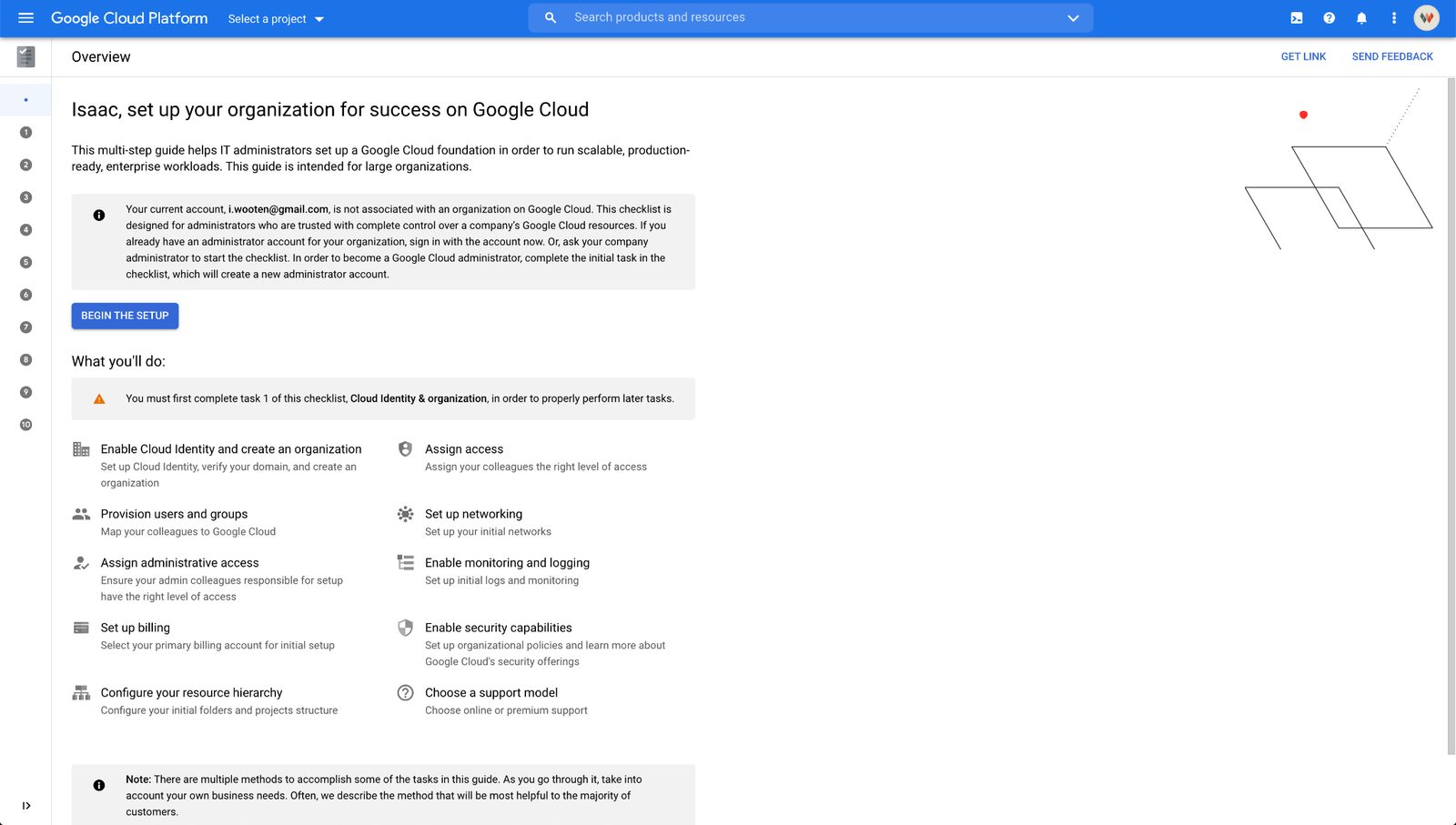
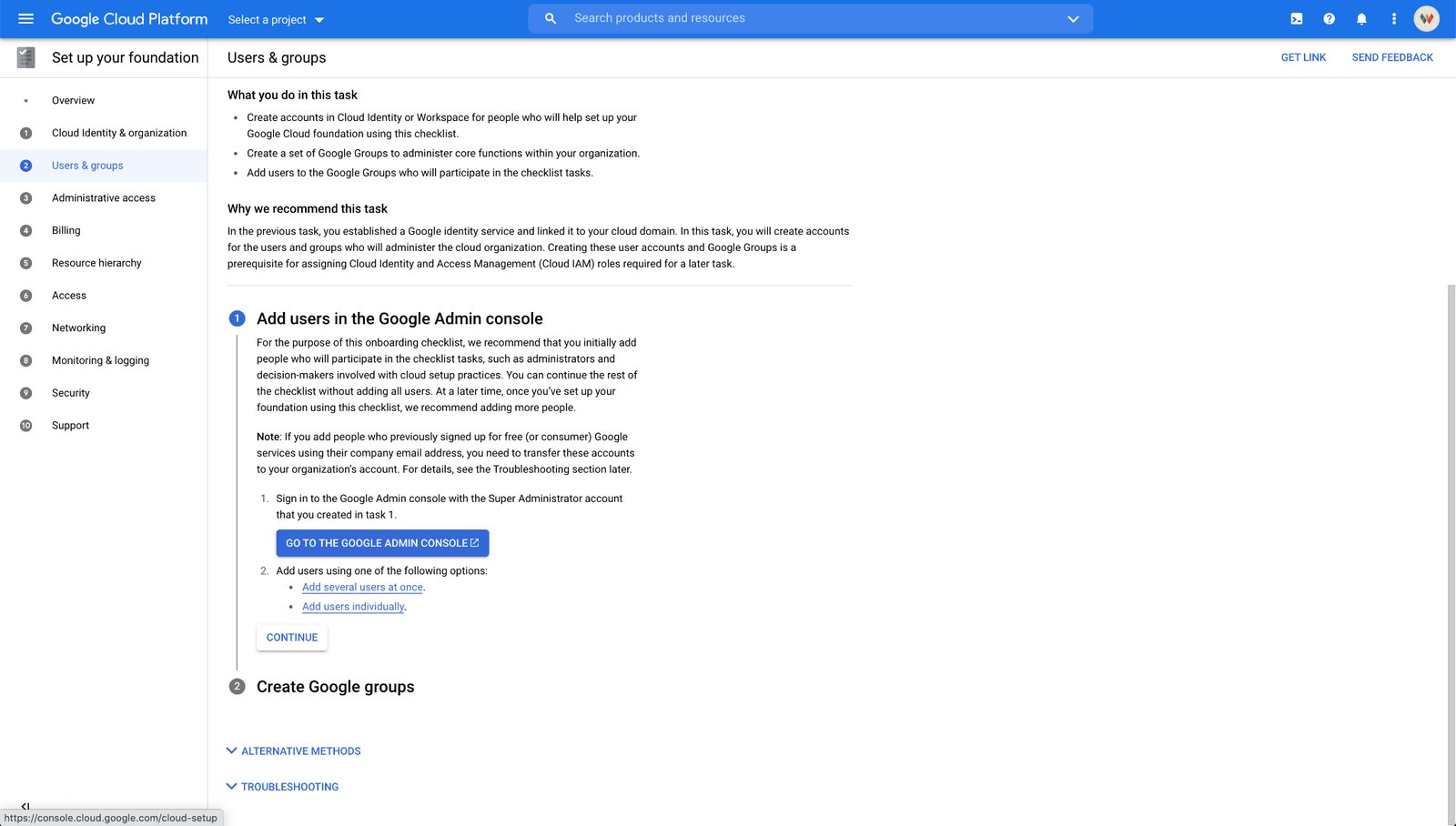
Beyond my own org, I led a six-month design collaboration across BigQuery, the streaming products and the Cloud Setup team to rethink onboarding. It removed real friction from the setup journey and unlocked new roadmap areas and additional funding for a partner team, which is the version of influence I care about: someone else's team got bigger because the design case was good.
What the team owns
Most of what ships here is designed by the team, not by me. The surfaces have owners, and those owners make the calls on them. I set direction, hold the bar, unblock, and get out of the way.
Where I still design myself it is the work nobody owns yet: the first pass at a surface that does not exist, or a pattern that has to hold across several teams at once. That is the part a manager should keep, because it is the hardest to hand to someone else.
The team is senior and it stays. Six senior-and-above designers today; most have been at Google more than five years, and the newest joined two years ago. In a discipline where two years is a normal tenure, that is the number I am proudest of.
Their names are theirs to publish, not mine, so this page does not list them. Ask me and I will tell you who did what.
AI-native, every surface
Agentic tools follow the developer across surfaces. I design for all of them.
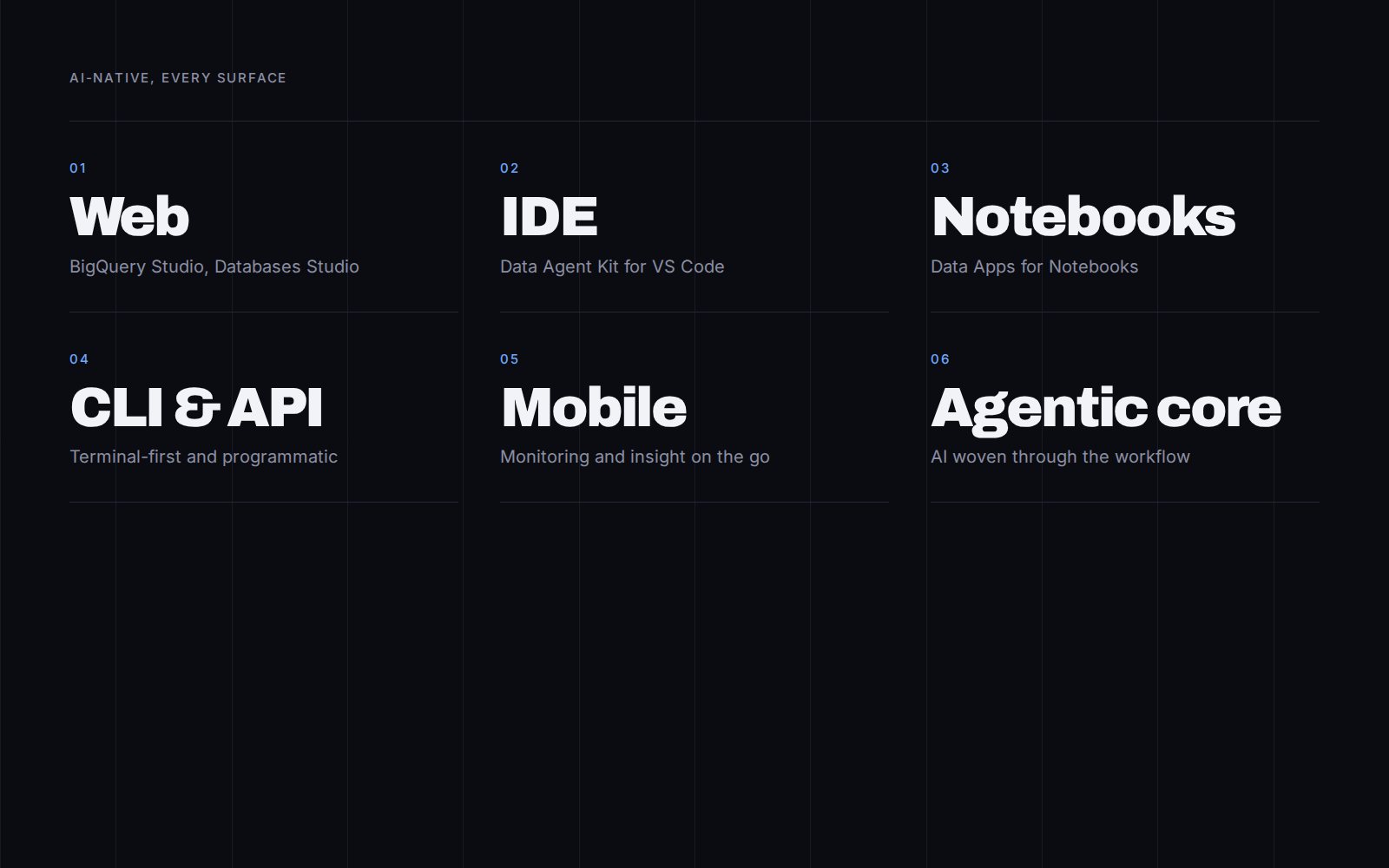
Web
BigQuery Studio, Databases Studio, and the analytics console, where agentic assistance meets the canvas.
IDE
The Data Agent Kit for VS Code, bringing data agents into the editor where engineers live.
Notebooks
Data Apps for Notebooks, turning exploratory analysis into shareable, AI-assisted apps.
CLI & API
Agent and tooling surfaces for terminal-first and programmatic workflows, design that respects how power users build.
Mobile
Monitoring and insight on the go, so the data experience isn't chained to a desk.
Agentic core
Agentic BigQuery, weaving AI through the data workflow itself rather than bolting a chatbot on the side.
Shipped, and public
Two of these I led from zero. Managed Service for Apache Kafka, designed end to end from MVP and now generally available, and BigQuery Engine for Apache Flink, in public preview. Both are streaming products built inside a large org with an existing roadmap, which is a different skill from founding something, and one I wanted on the record.
Alongside them, the integrations that make the streaming story hold together: Pub/Sub into BigQuery, and Managed Kafka into BigQuery, both shipped. Across Dataflow and Pub/Sub I designed more than twenty features, fourteen of which reached general availability inside three quarters.
Most of what my team is building now is unreleased. These are the surfaces that have shipped and that Google documents publicly, so you can look at the real thing rather than take my word for it.
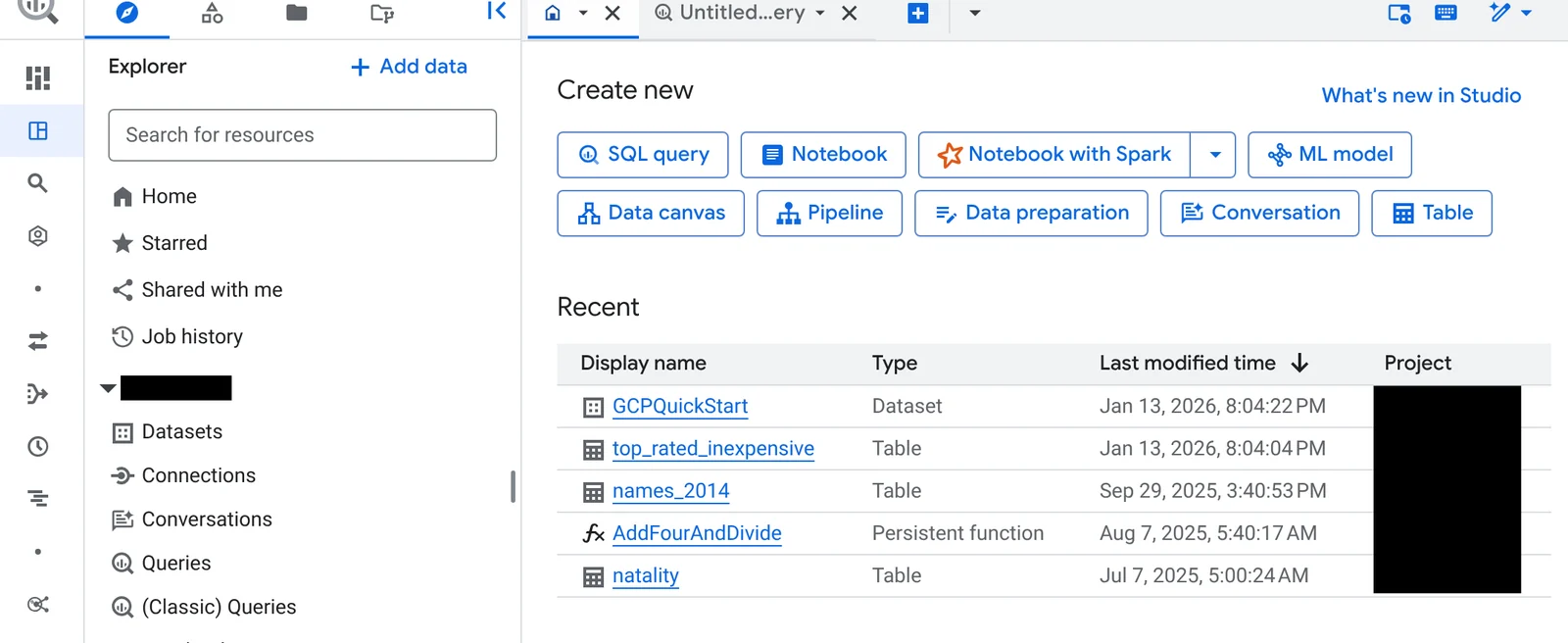
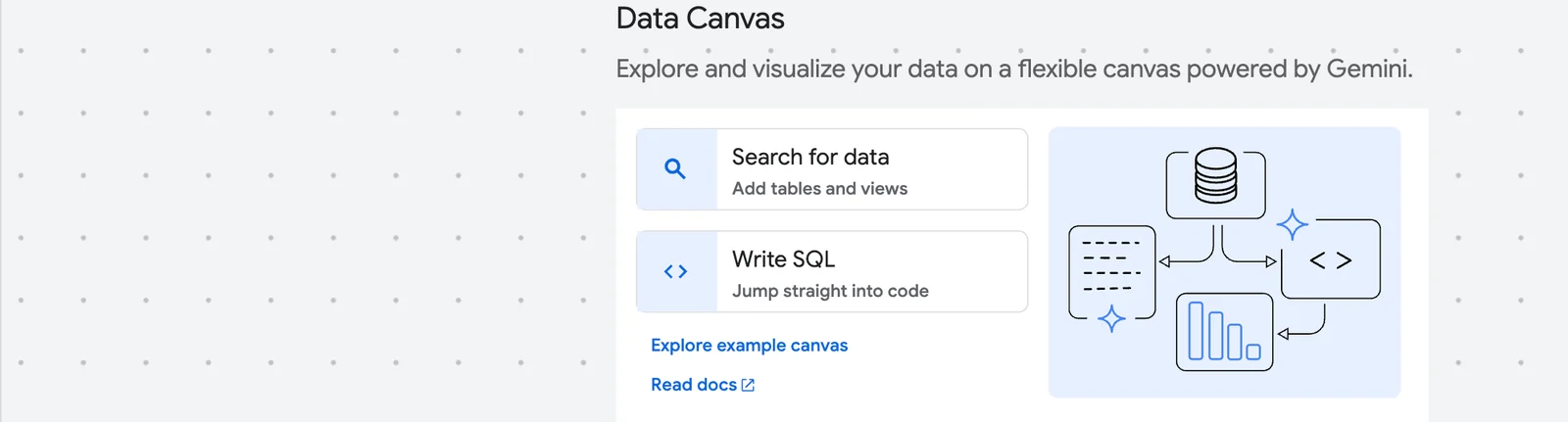
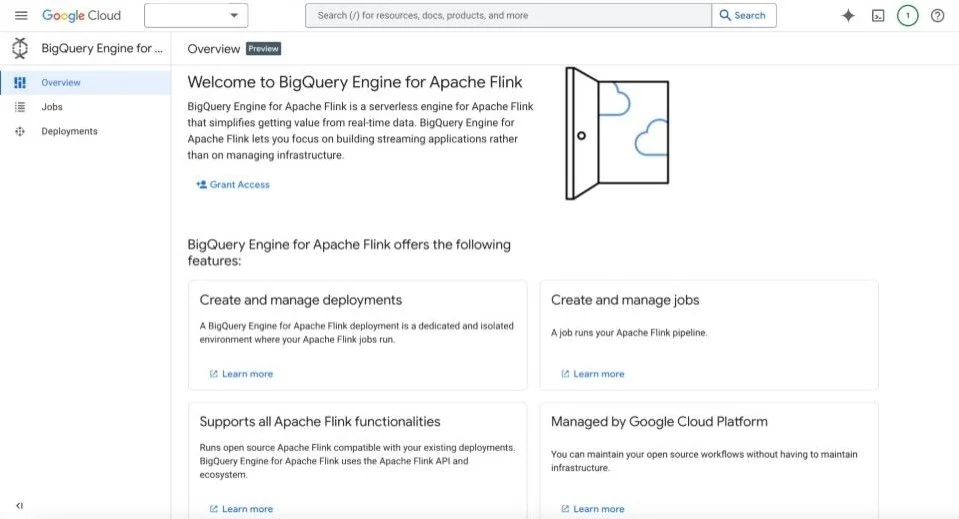
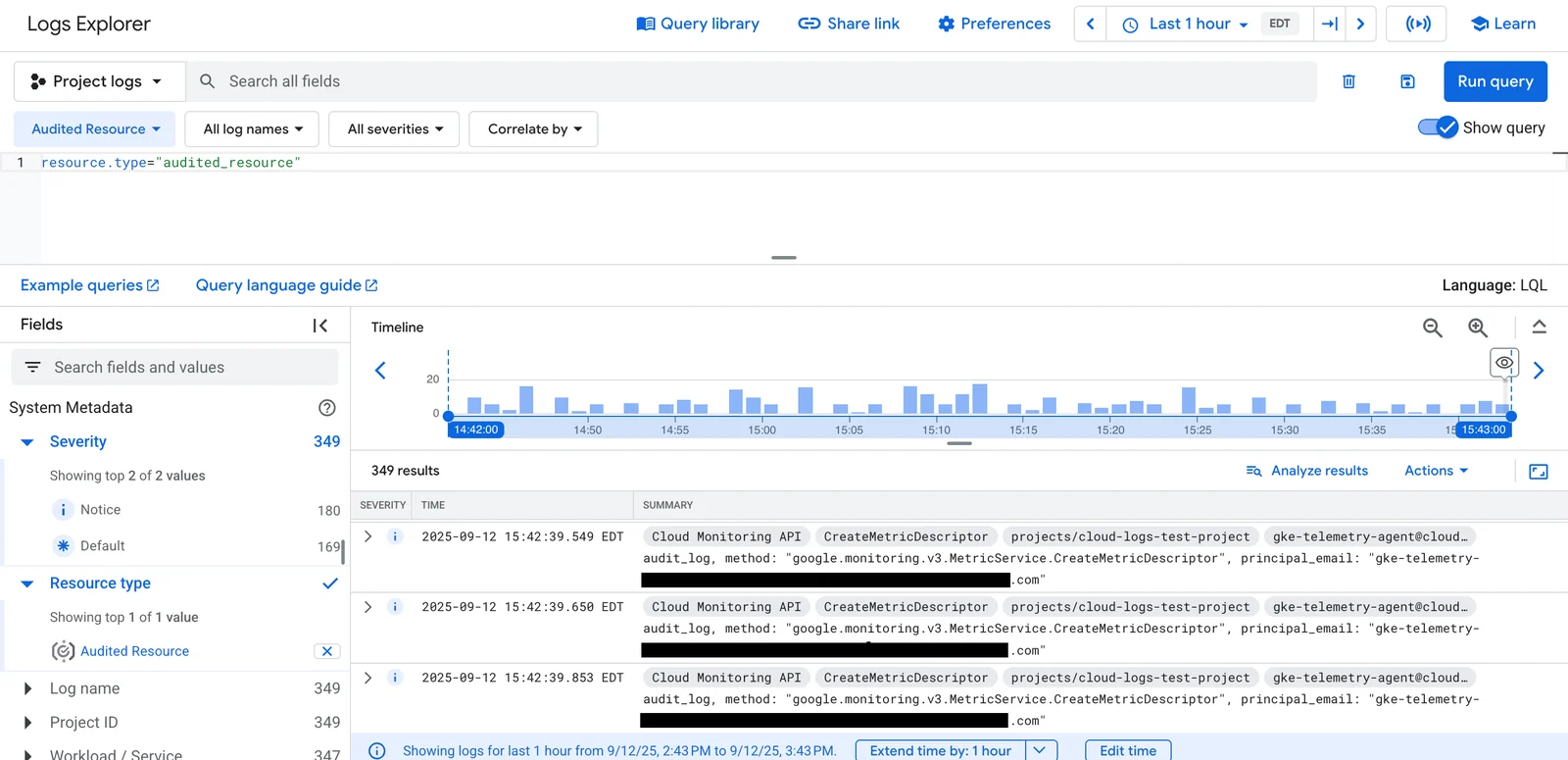
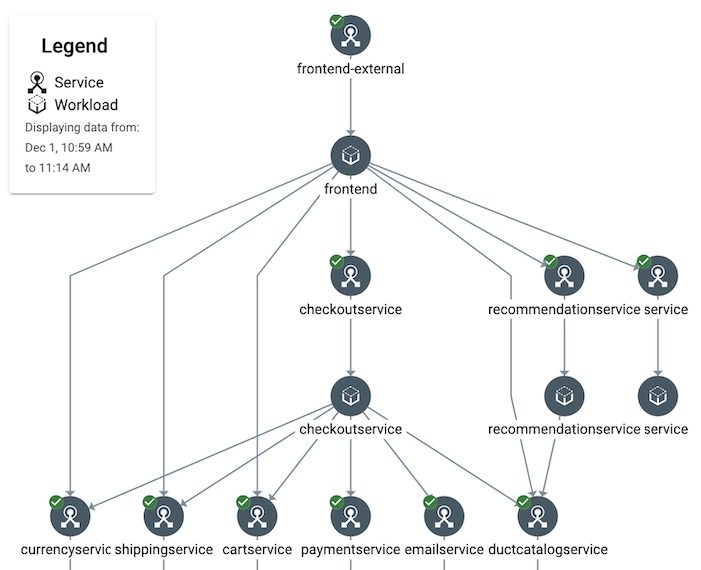
Screenshots from Google Cloud's public documentation, used here to show products I worked on. They are Google's, not mine. For the unreleased work I can talk through process, decisions and tradeoffs in a conversation, within what I am allowed to say. Book thirty minutes ↗.
Earlier Google Cloud work
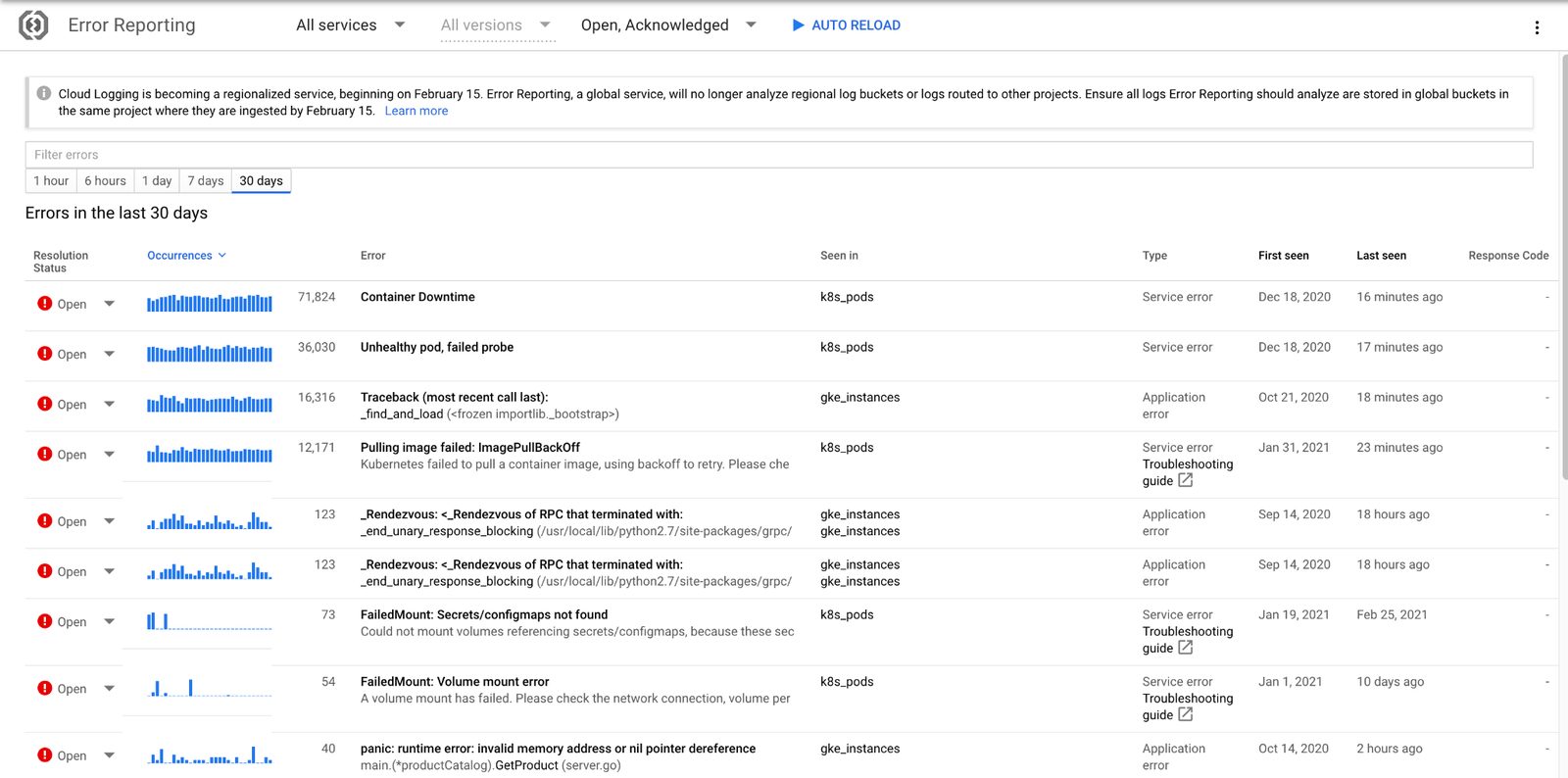
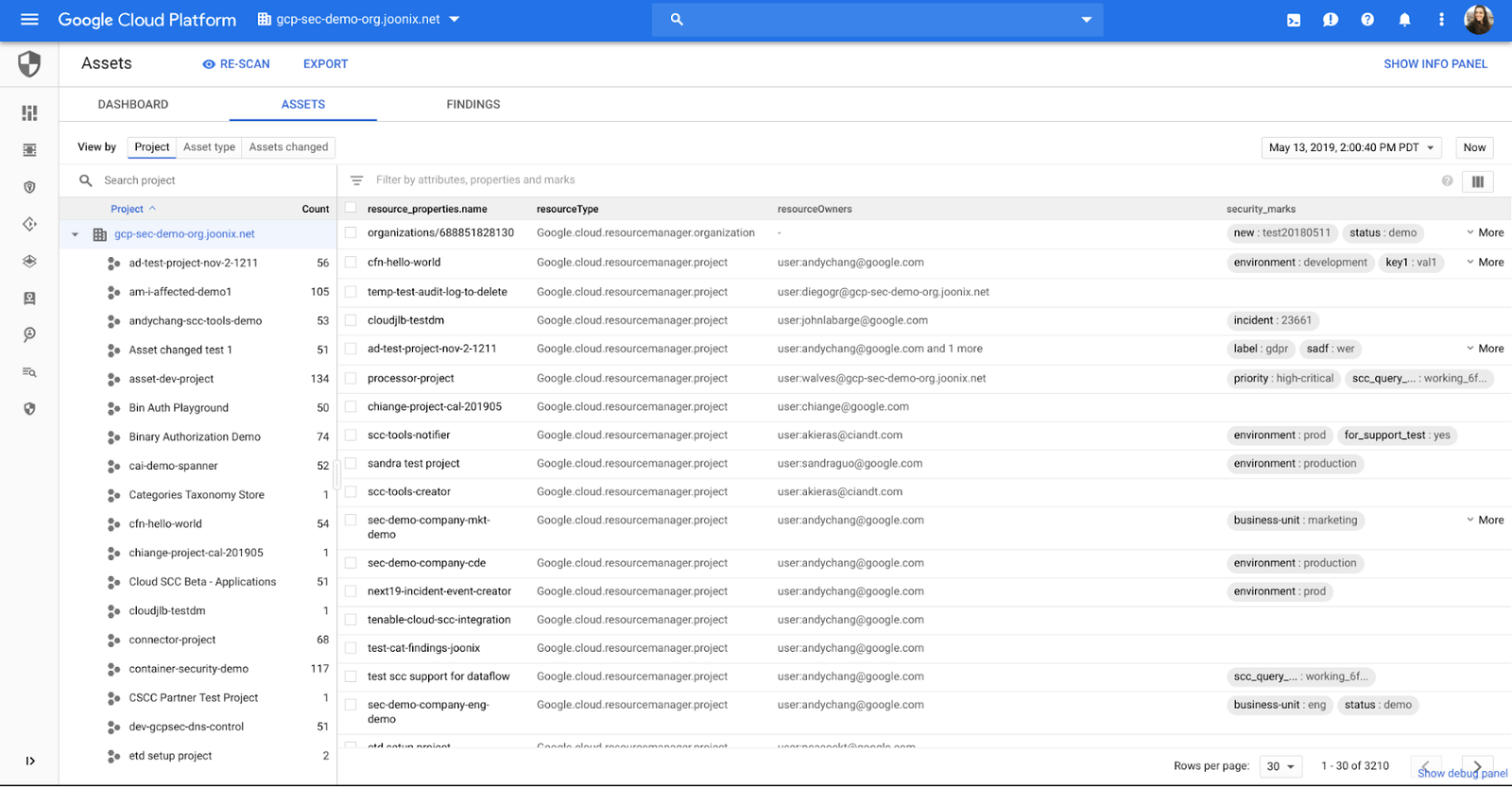
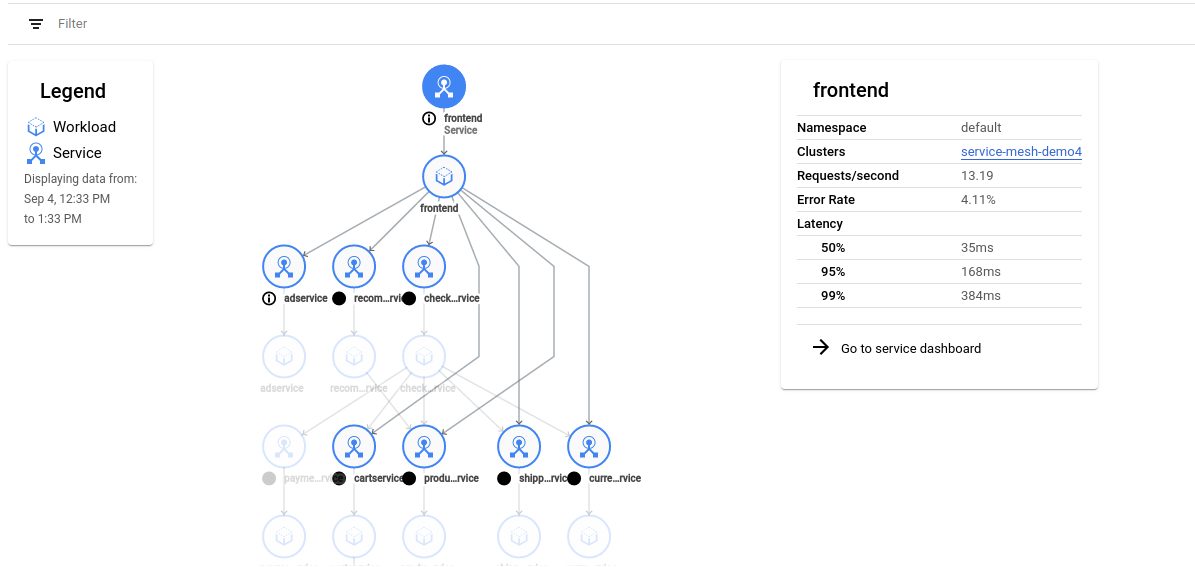
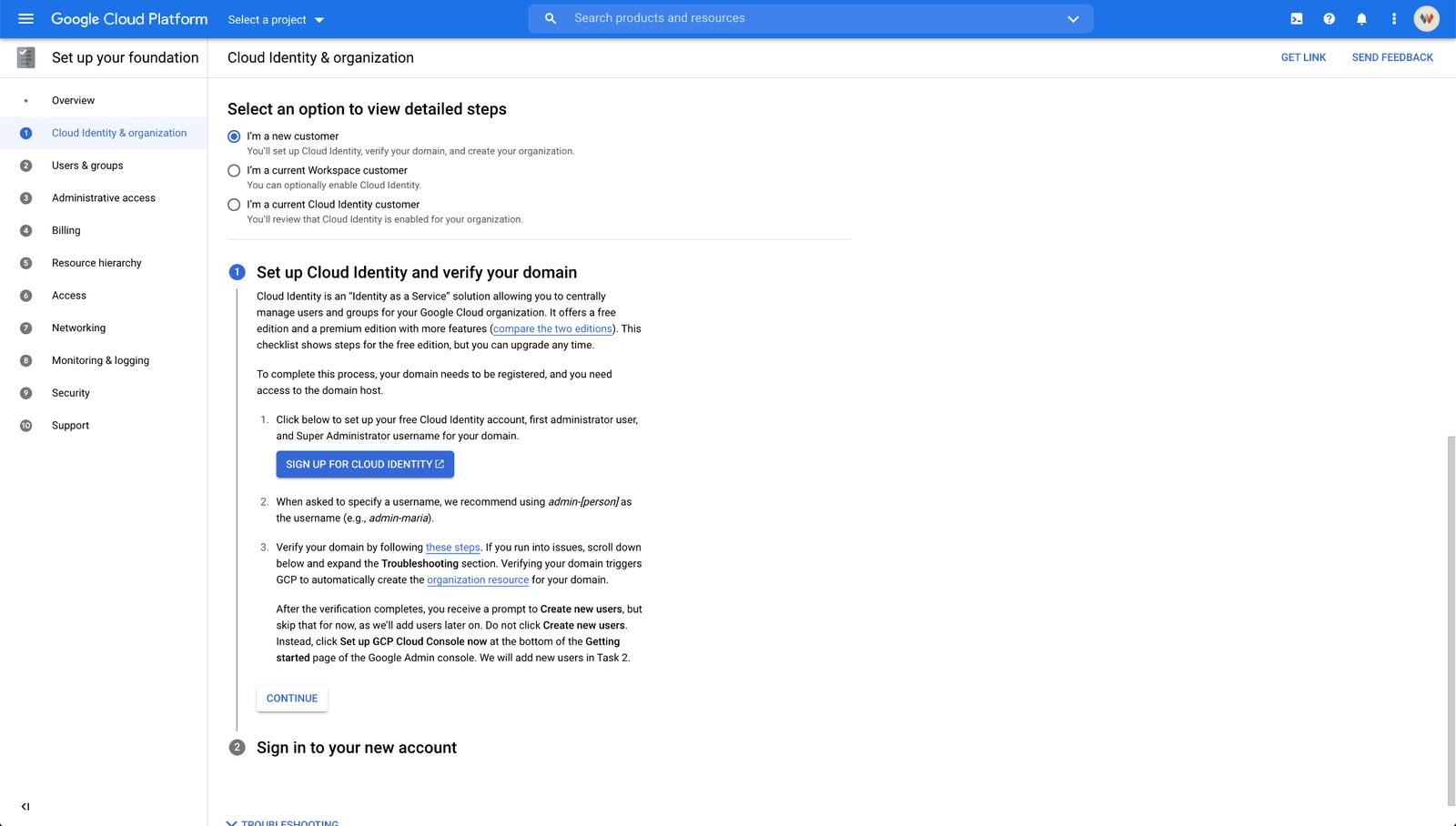
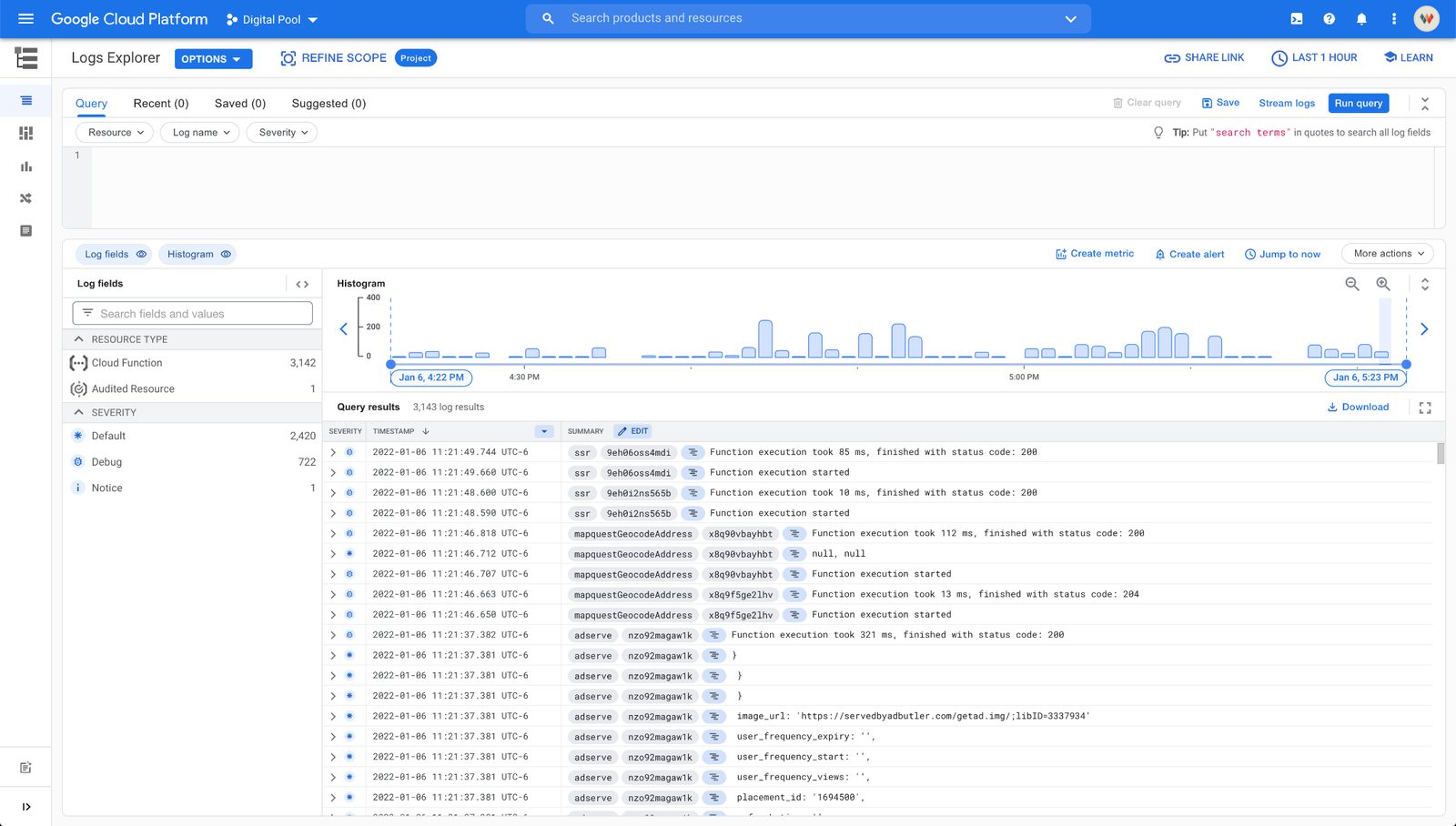
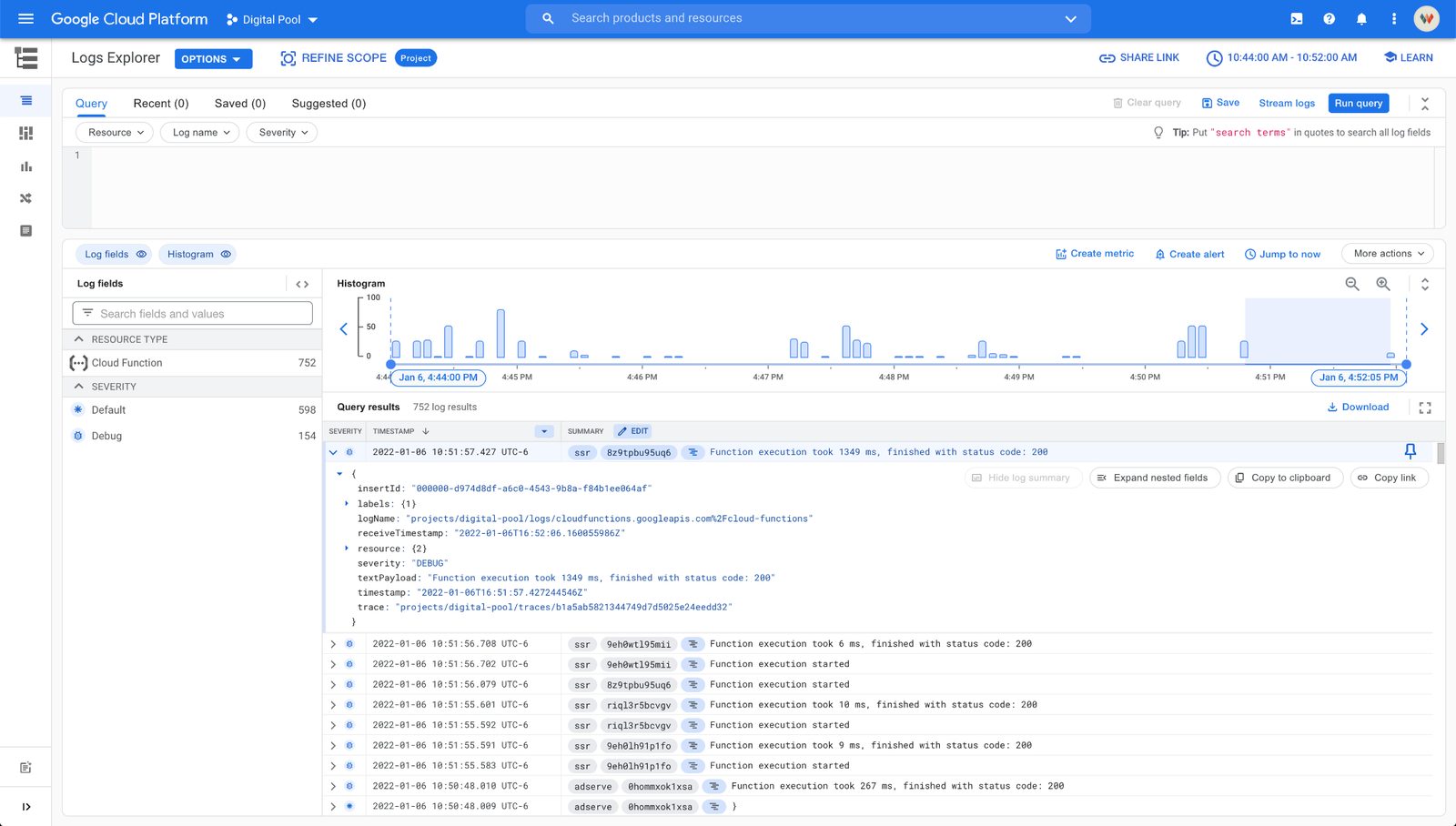
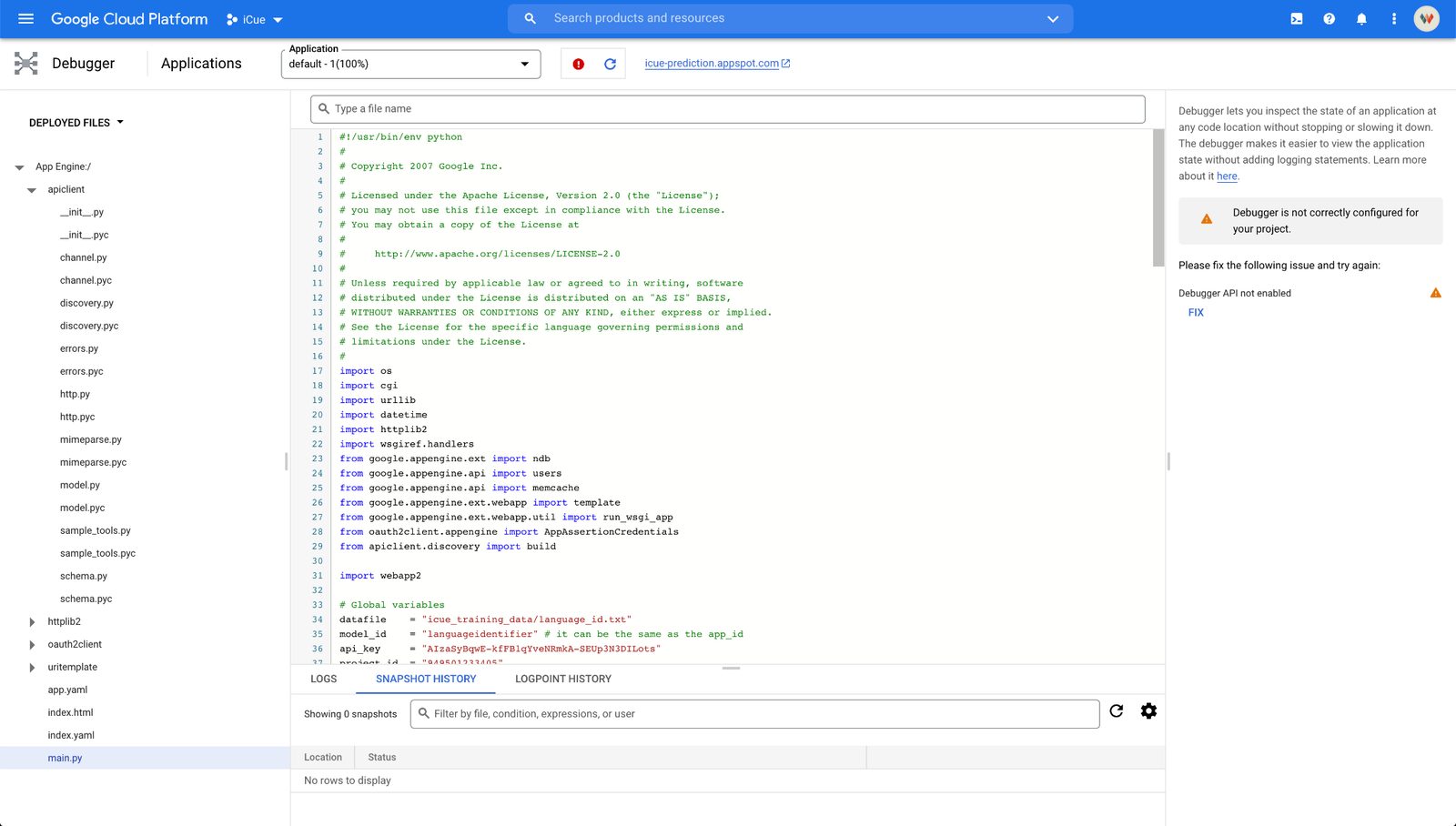
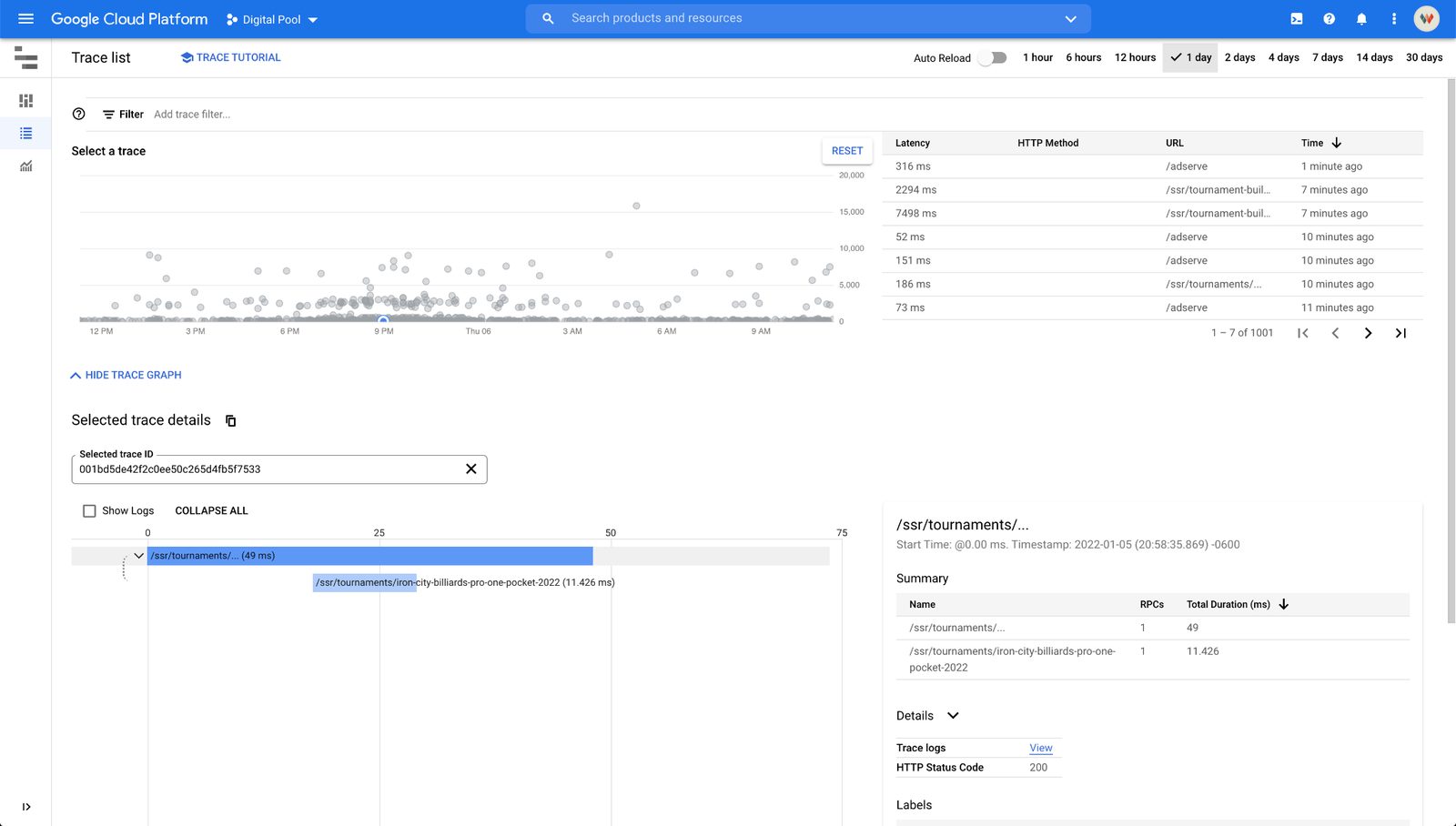
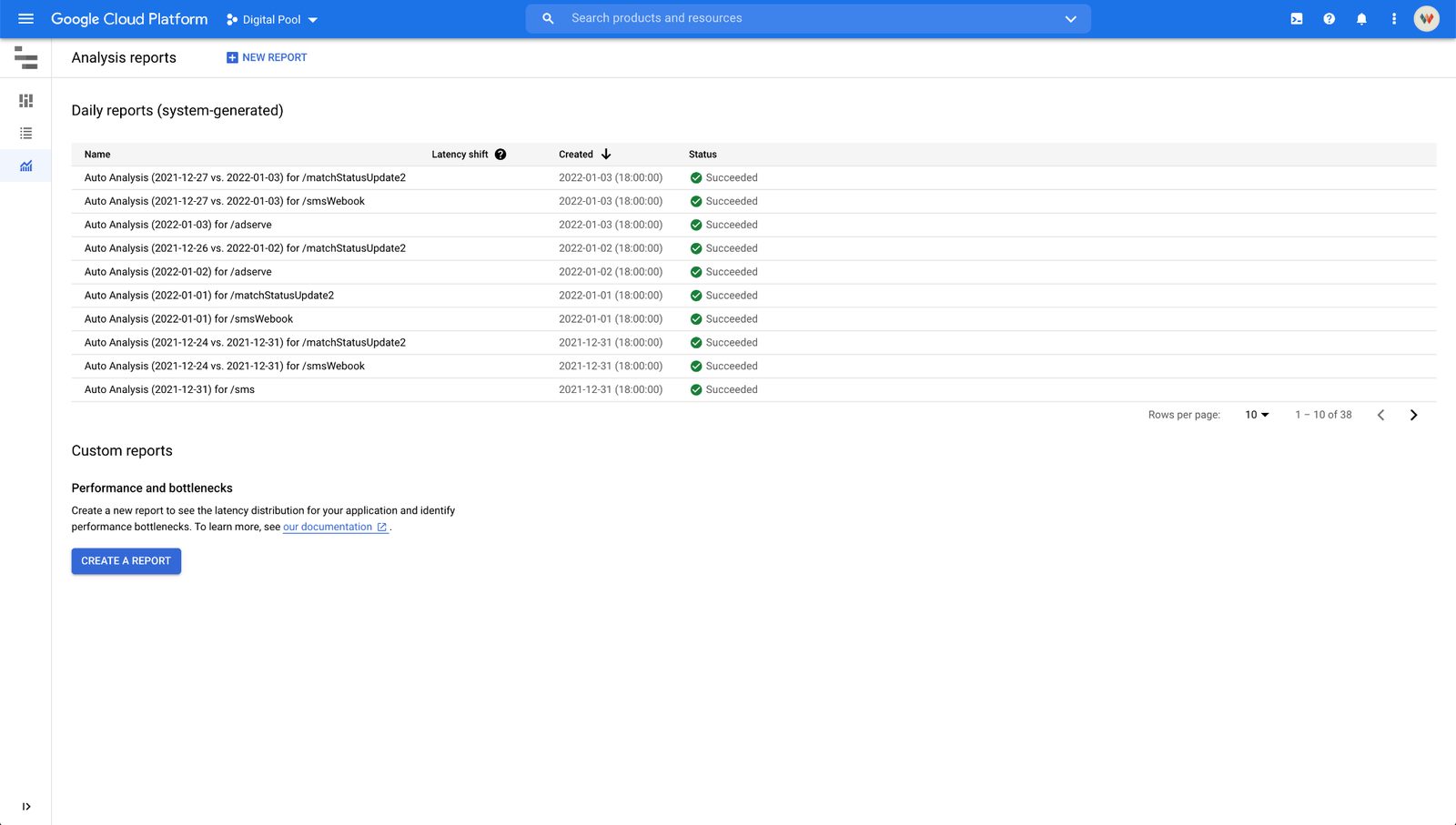
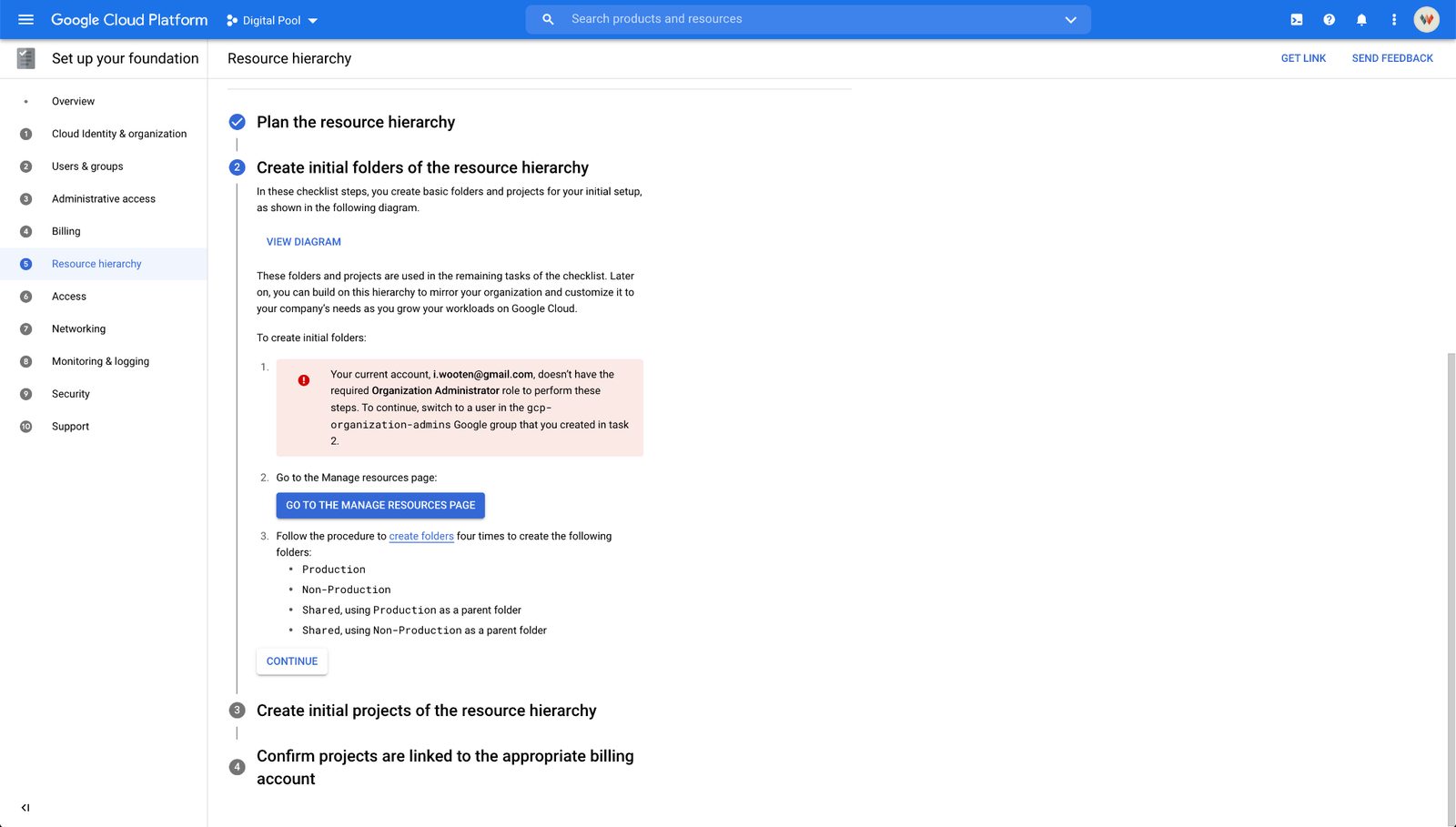
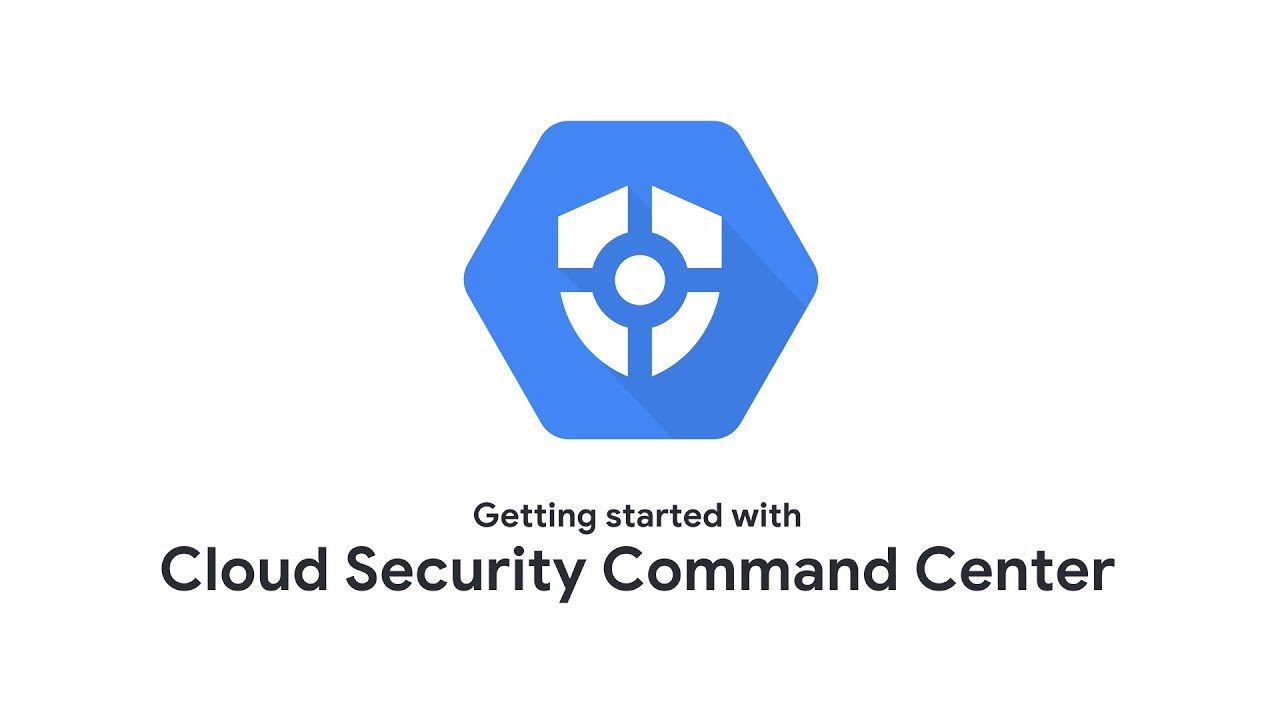
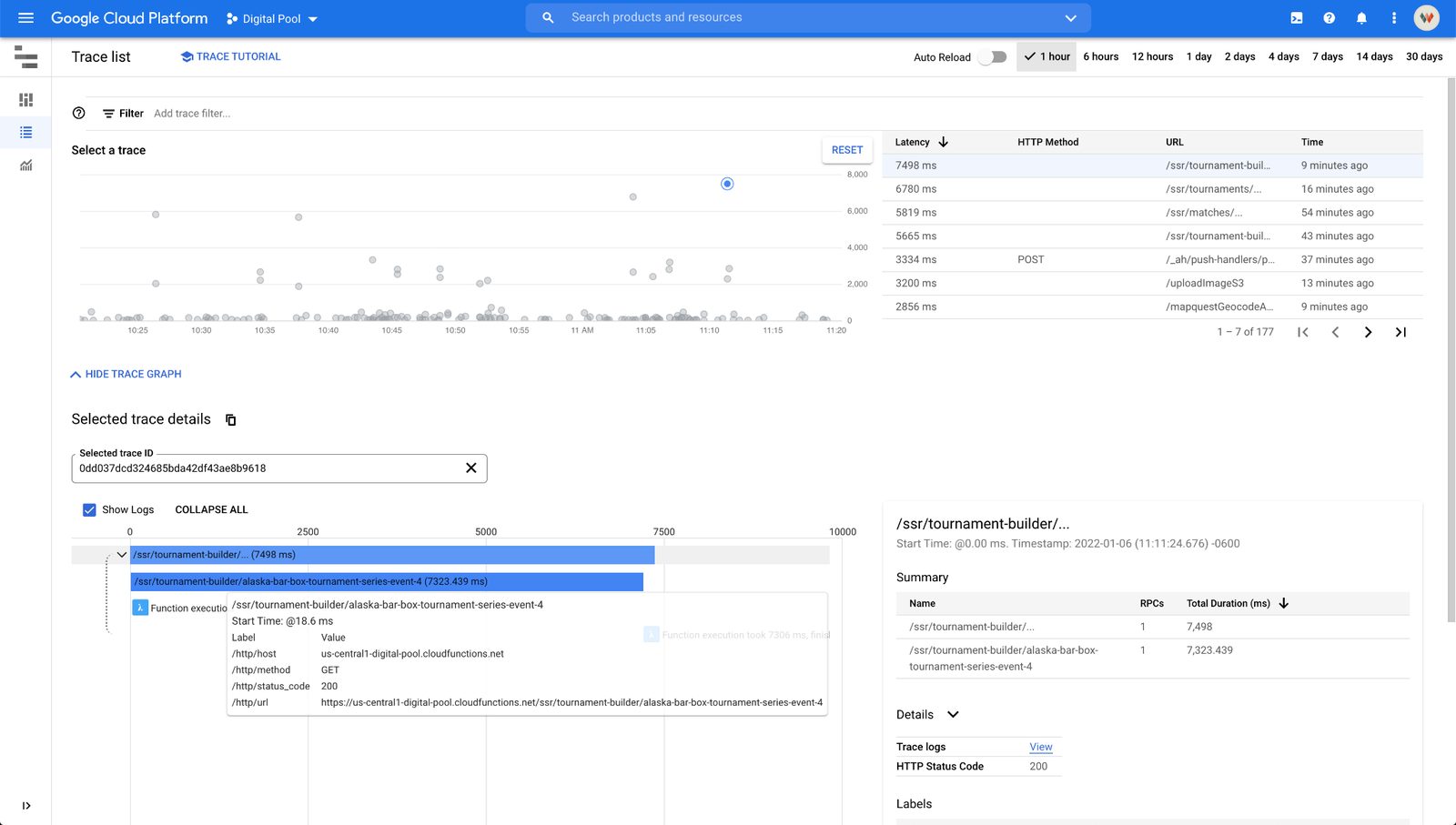
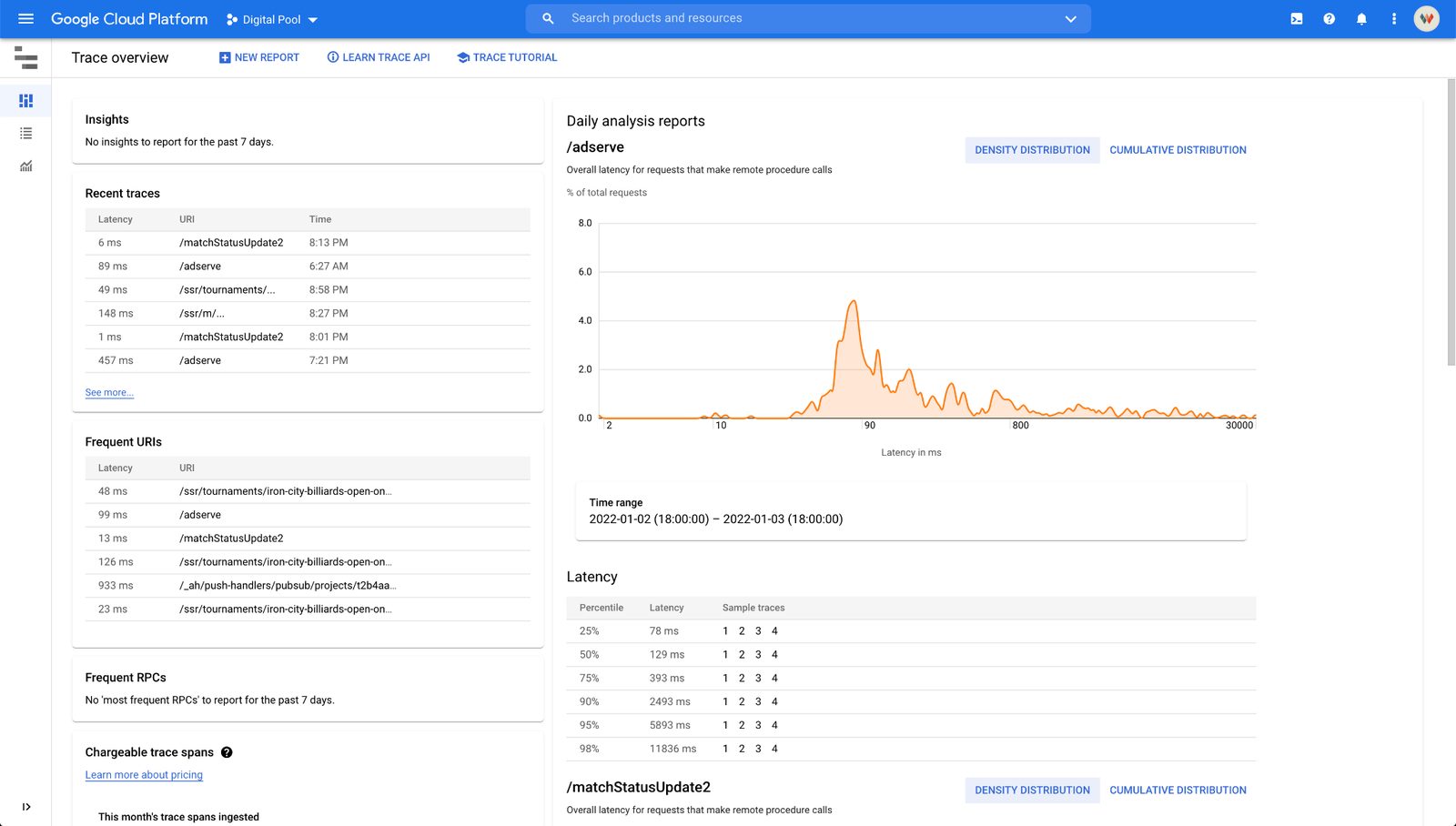
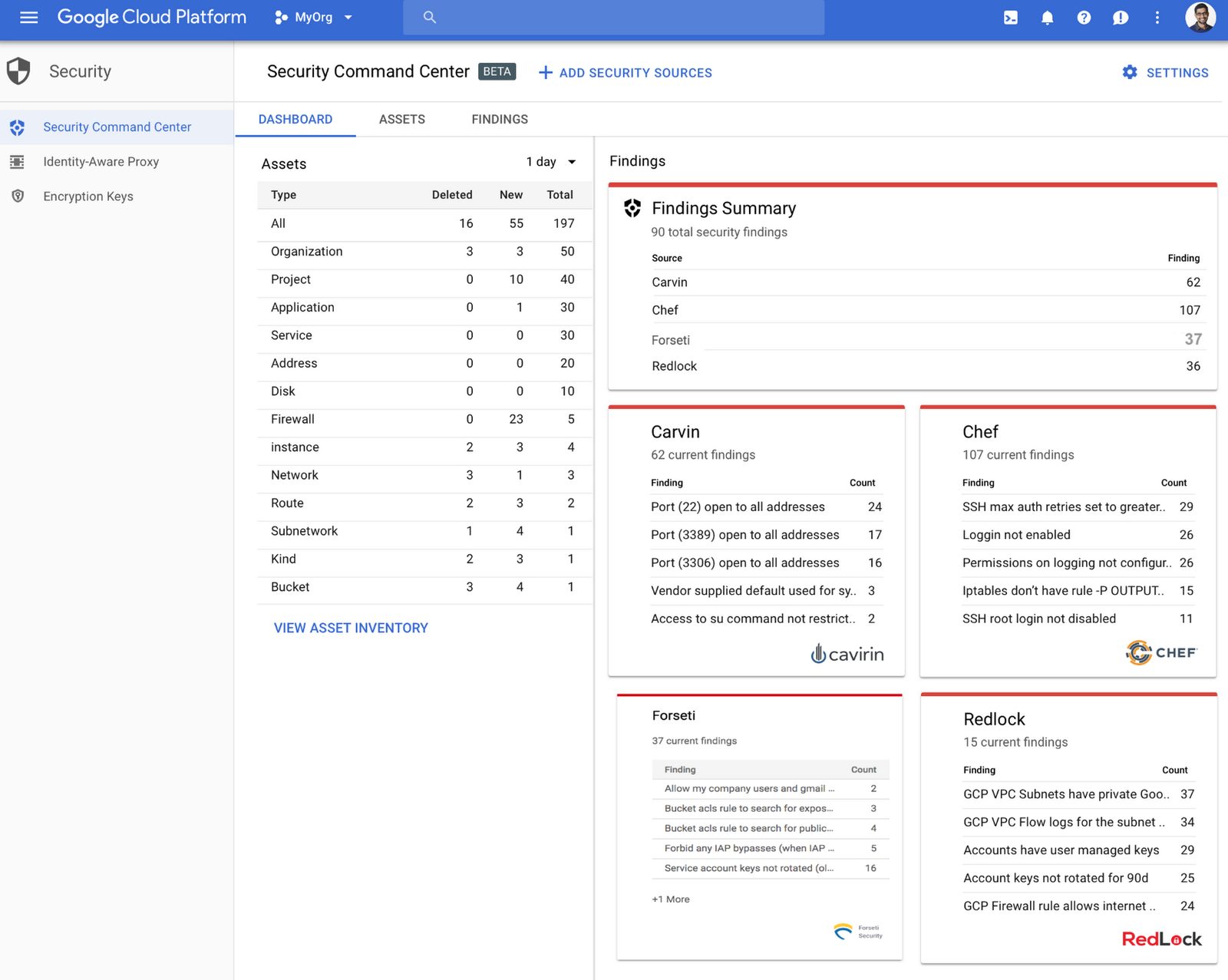
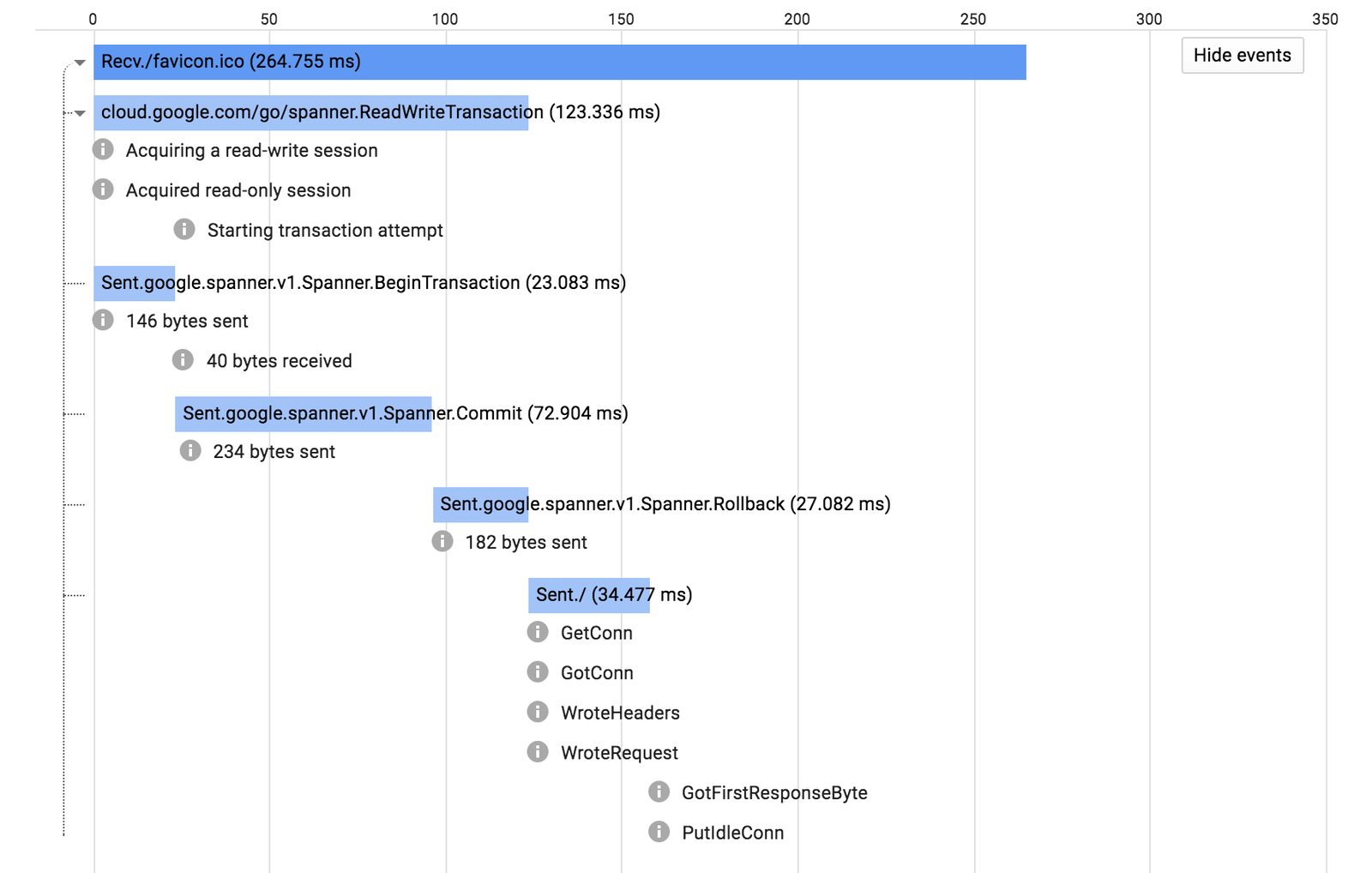
Lead designer on four Cloud surfaces before the data years, 2014 to 2021. Shipped product UI, as it looked at the time.

Numbers
Career arc
Pixels, then patterns, then people. Twelve years, IC to manager:
- Sr. Staff UX Design ManagerCloud Data Analytics · team of 11, 6 todayNov 2024–Present
- UX Team Lead / ManagerCloud Data Analytics · team grown to 11Apr 2024–Nov 2024
- Staff UX Design Lead & ManagerData Analytics · Streams & LakesJan 2022–Apr 2024
- Staff Interaction Designer / UX EngineerGoogle CloudJul 2018–Jun 2021
- Staff UX ArchitectGoogle Cloud PlatformJan 2016–Jul 2018
- Senior Interaction DesignerStackdriver · Cloud DiagnosticsMar 2014–2016
The team ran at eleven from 2024 until November 2025 and is six senior-and-above designers today, after company-wide layoffs. The months between 2021 and 2022 are LunarCrush, where I went full-time as Chief Design Officer before returning to Google straight into the lead and manager role.
Scope
Products I led or oversaw design for, with research, engineering and product.
Data & analytics
- BigQuery
- BigQuery Studio
- Agentic BigQuery
- Databases Studio
- Data Agent Kit (VS Code)
- Data Apps for Notebooks
- Dataflow
- Dataproc
- Dataform
- Dataplex
- Composer
- Pub/Sub
- Kafka
- Flink
- Spark
Observability, security & platform
- Cloud Trace
- Cloud Profiler
- Cloud Debug
- Cloud Logging
- Error Reporting
- Cloud Security Command Center
- Network Topology → Anthos Service Mesh
- Terraform Blueprints & onboarding
- Critical User Journeys (GCP)
- Perceived-performance patterns
- 3rd-party auth & data regionalization
Capabilities
- Design leadership & management
- UX architecture
- Developer experience (DX)
- Data & AI product design
- Design patterns & systems
- Cross-org strategy
- Cloud & enterprise UX
- Mentorship
Next
The full role history lives on LinkedIn.
Connect on LinkedIn ↗