 ISAAC WOOTEN

Gaikai
Cloud gaming, 2011 to 2012. The operations tools behind a service that streamed console games to browsers and TVs, and the brand world rendered from it.
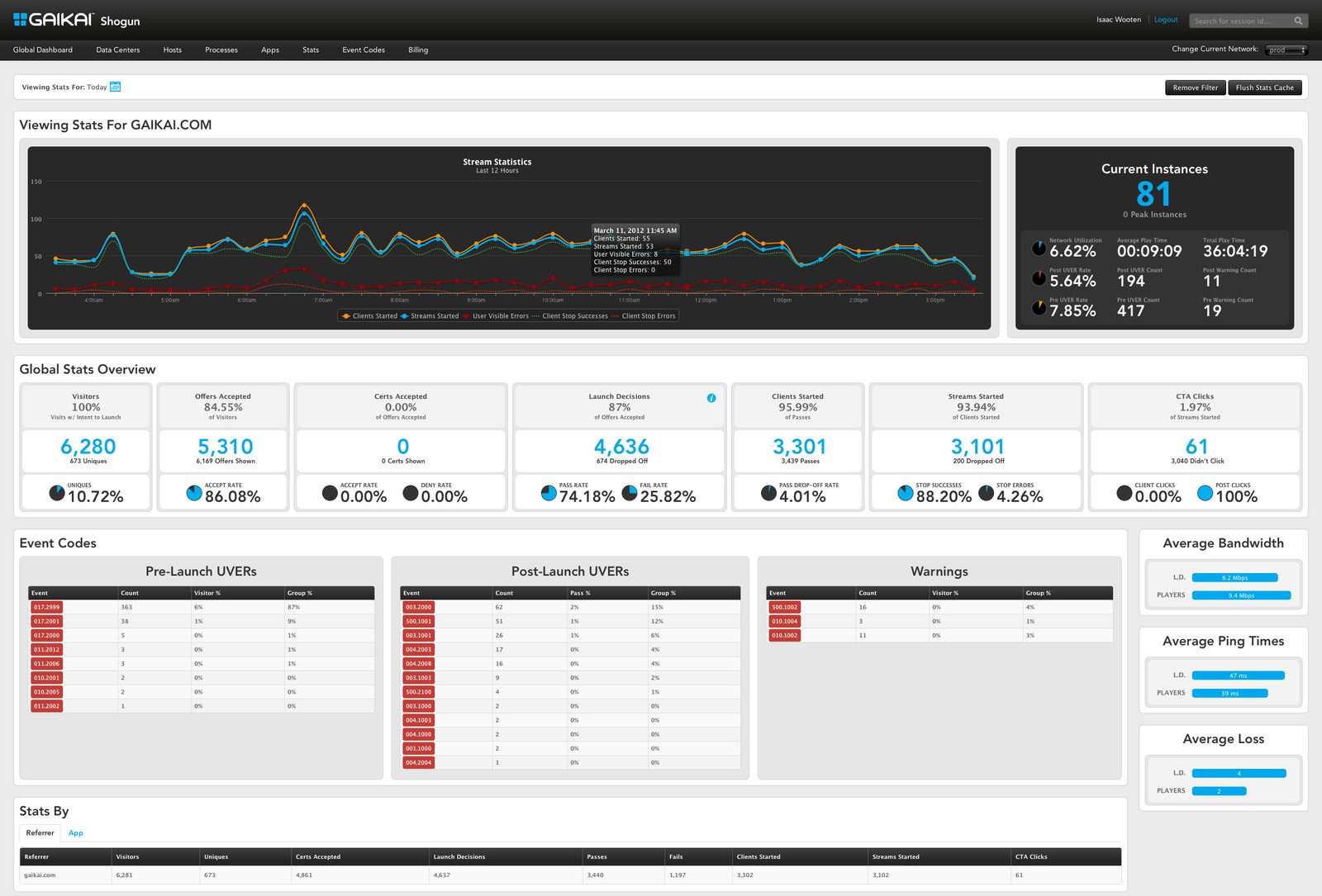
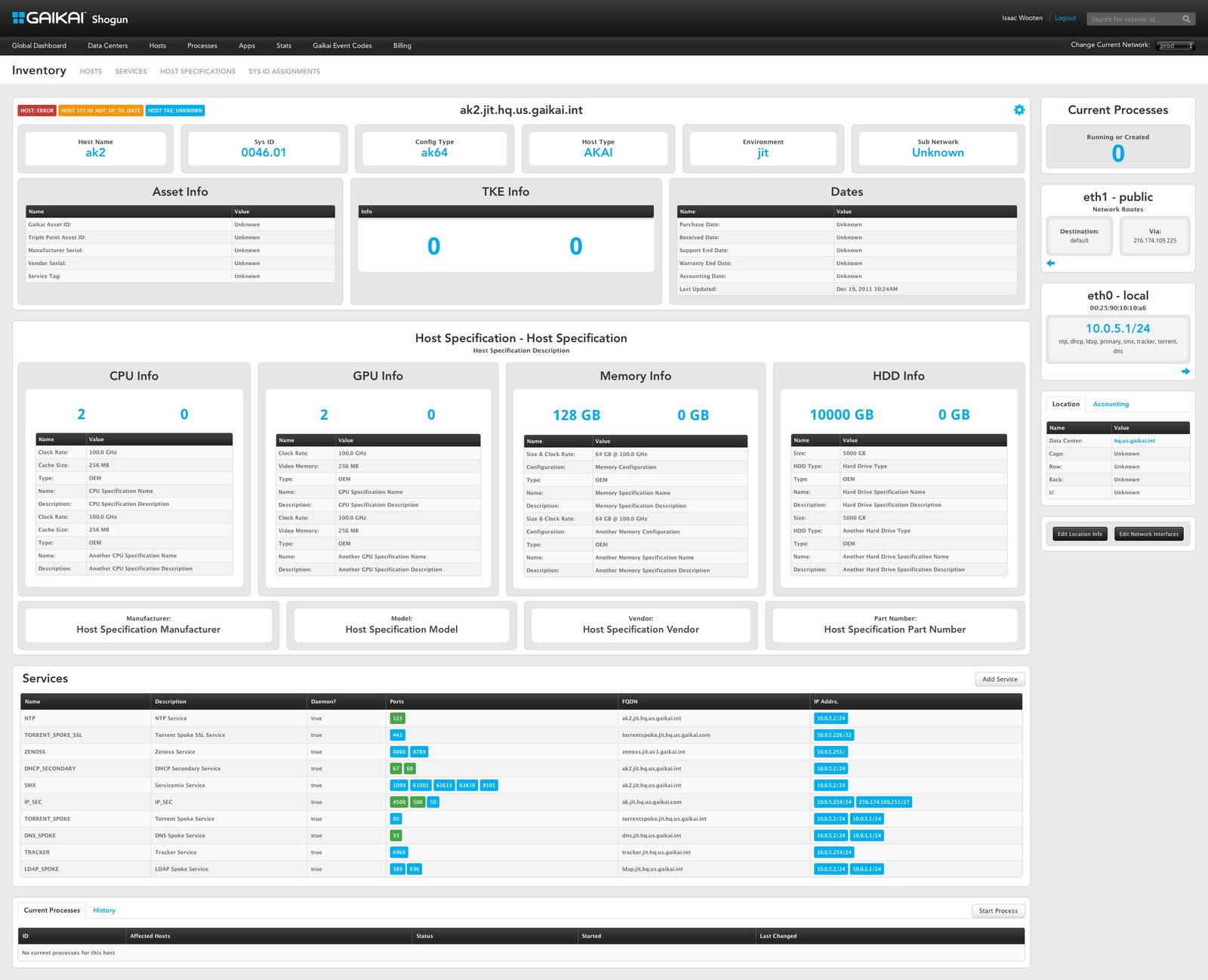
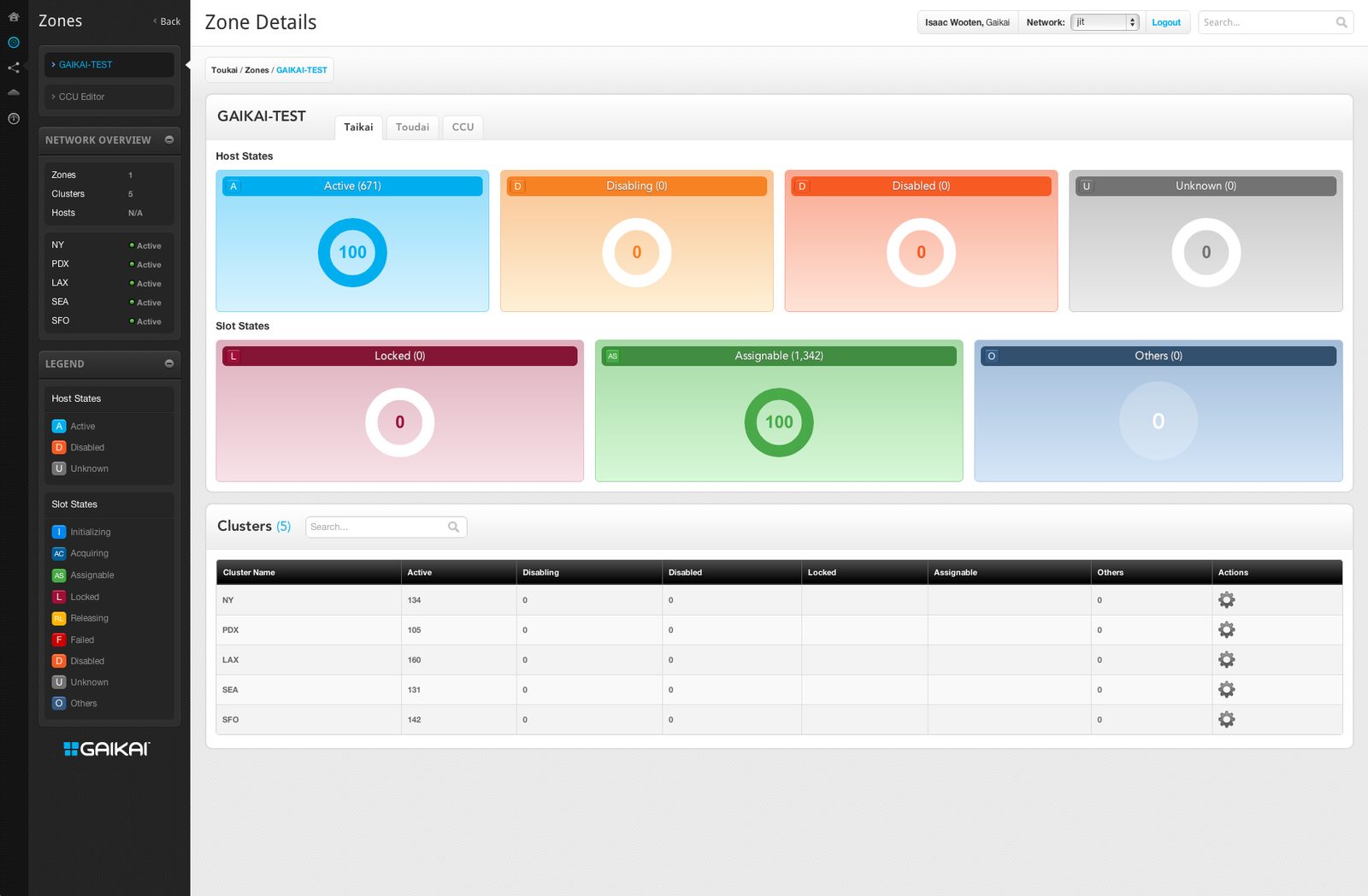
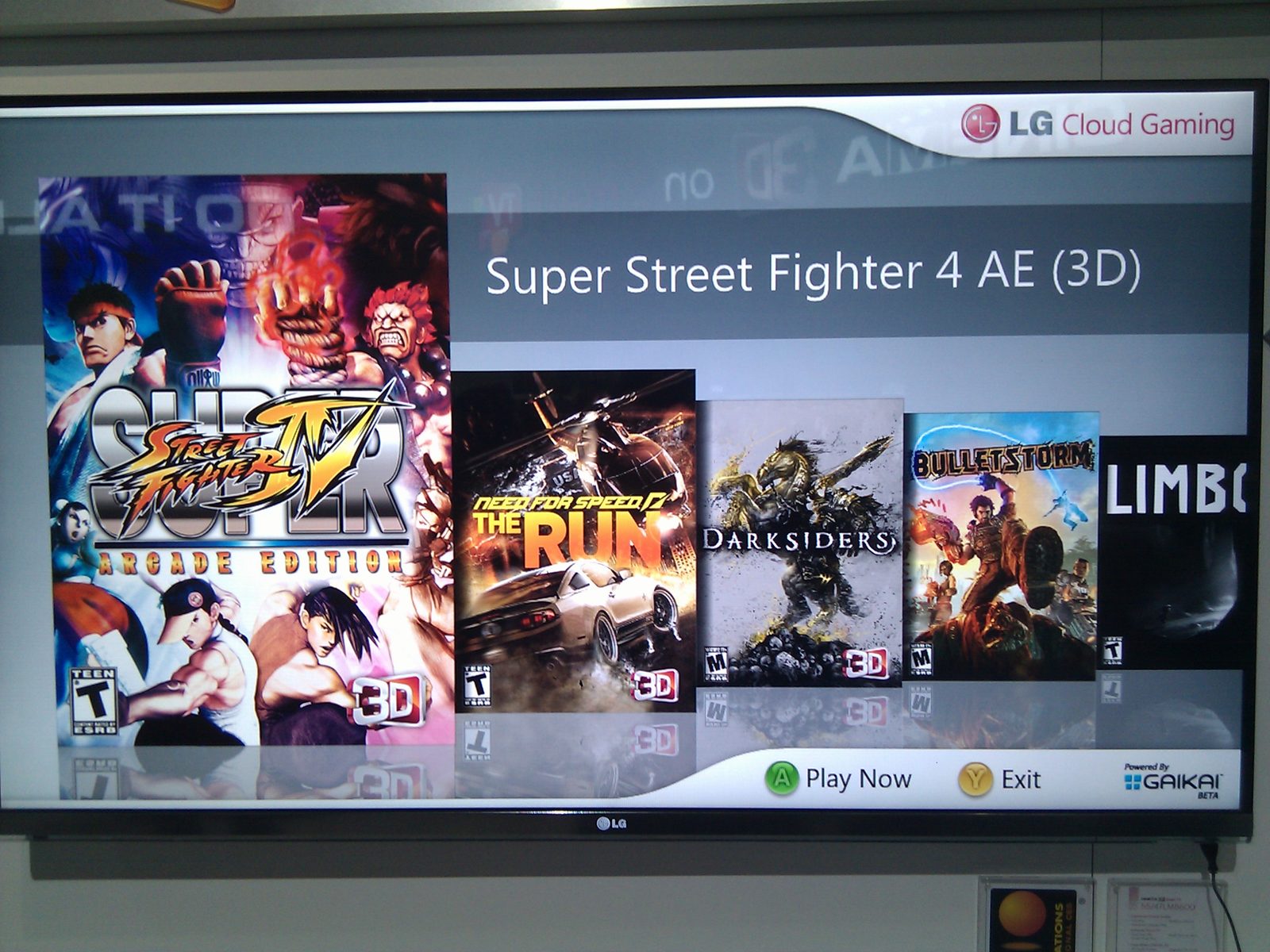
The console in the cloud needed a control room. Gaikai streamed high-end games to a web browser or a smart TV with nothing to download, which meant fleets of game servers in network operations centres around the world, all of them visible to the people keeping them running. I joined early, as a senior web developer, and was the lead designer and front-end engineer on the system that managed them: Shogun for stream statistics and host inventory, and Toukai for zones, clusters and server states. Sony acquired Gaikai in 2012. In 2026 I extracted the brand’s DNA and rendered the brand world it implied.
The brief
Millions of servers, one screen that tells you what’s wrong.
Cloud gaming lives or dies on latency and capacity, and both change by the minute. The tools had to make a global fleet legible at a glance: streams started and dropped, instances running, bandwidth, ping and loss, every host’s CPU, GPU, memory and services, and which zones and clusters were active, disabled or assignable. The answer was density with a hierarchy: big numbers first, charts under them, tables under those, and status in colour so a problem shows before you read a word.
Big numbers first
Current instances, visitors and stream outcomes lead each view; the detail waits underneath.
Every host, specified
Inventory down to a machine’s CPU, GPU, memory, disks and running services, on one page.
State in colour
Active, disabling, disabled, locked, assignable: each state has its colour and its ring, across zones and clusters.
Designed and built
Lead designer and front-end engineer, so the dashboards were drawn and shipped by the same hands.
The tools
Brand system
The Gaikai identity isn’t mine; the tools I built lived inside it. To see the whole brand, I started from the dashboards, the TV demo and the four-tile mark: Gaikai blue on cloud white, ink and panel charcoal, a rounded geometric wordmark, cinematic game art floating over bright skies and server halls, extracted and locked as brand DNA. Then every surface was rendered from that source, thirty-three of them: the logo system, colour, type, icons, accessibility, voice, patterns, motion, photography and illustration, print, packaging, merch, co-branding, a trade-show booth, web, app, social, ads, data, editorial, a presentation, out of home, and the brand world itself. Tap any tile to open it.
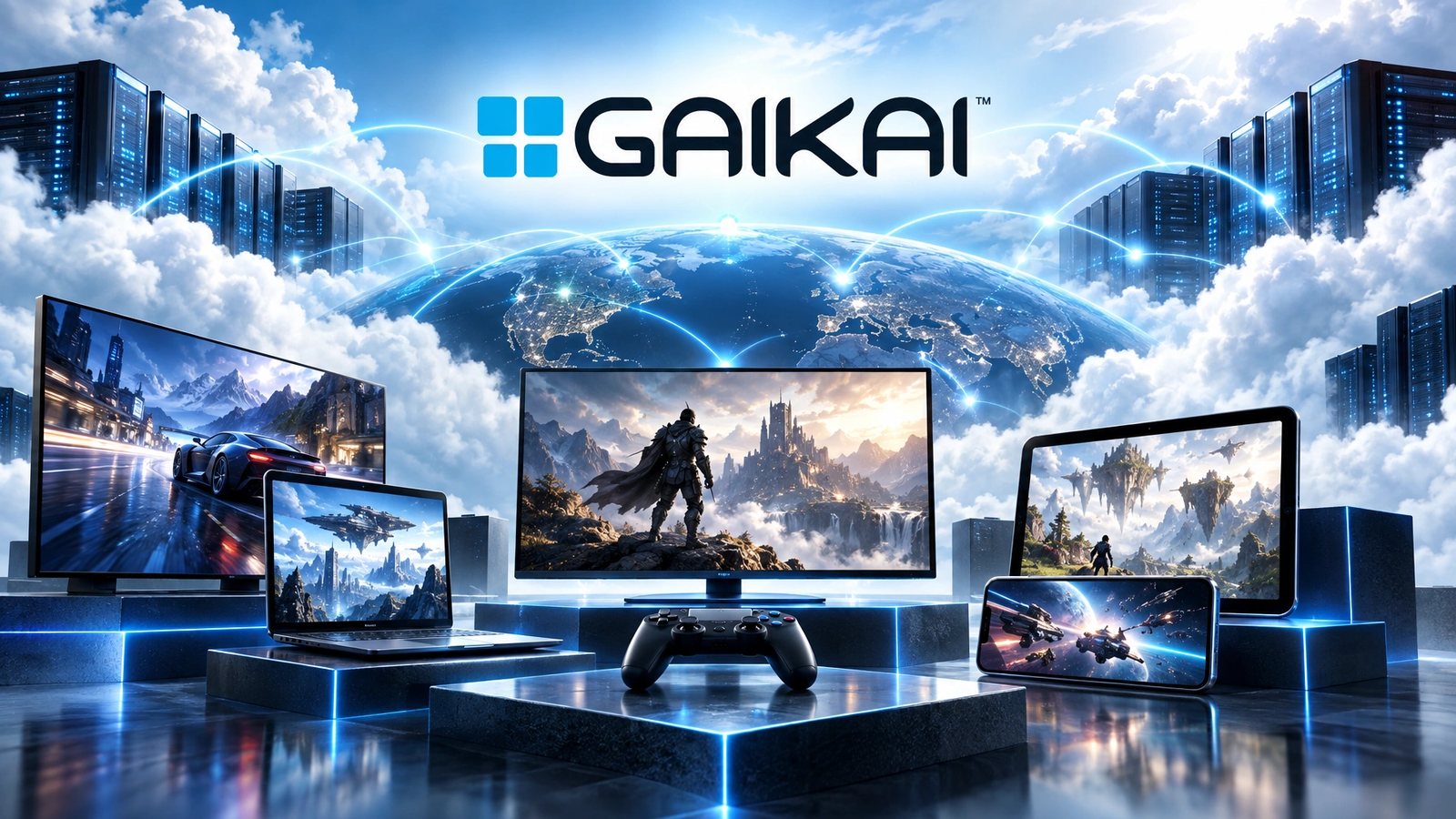 Brand world · rendered from the locked brand DNA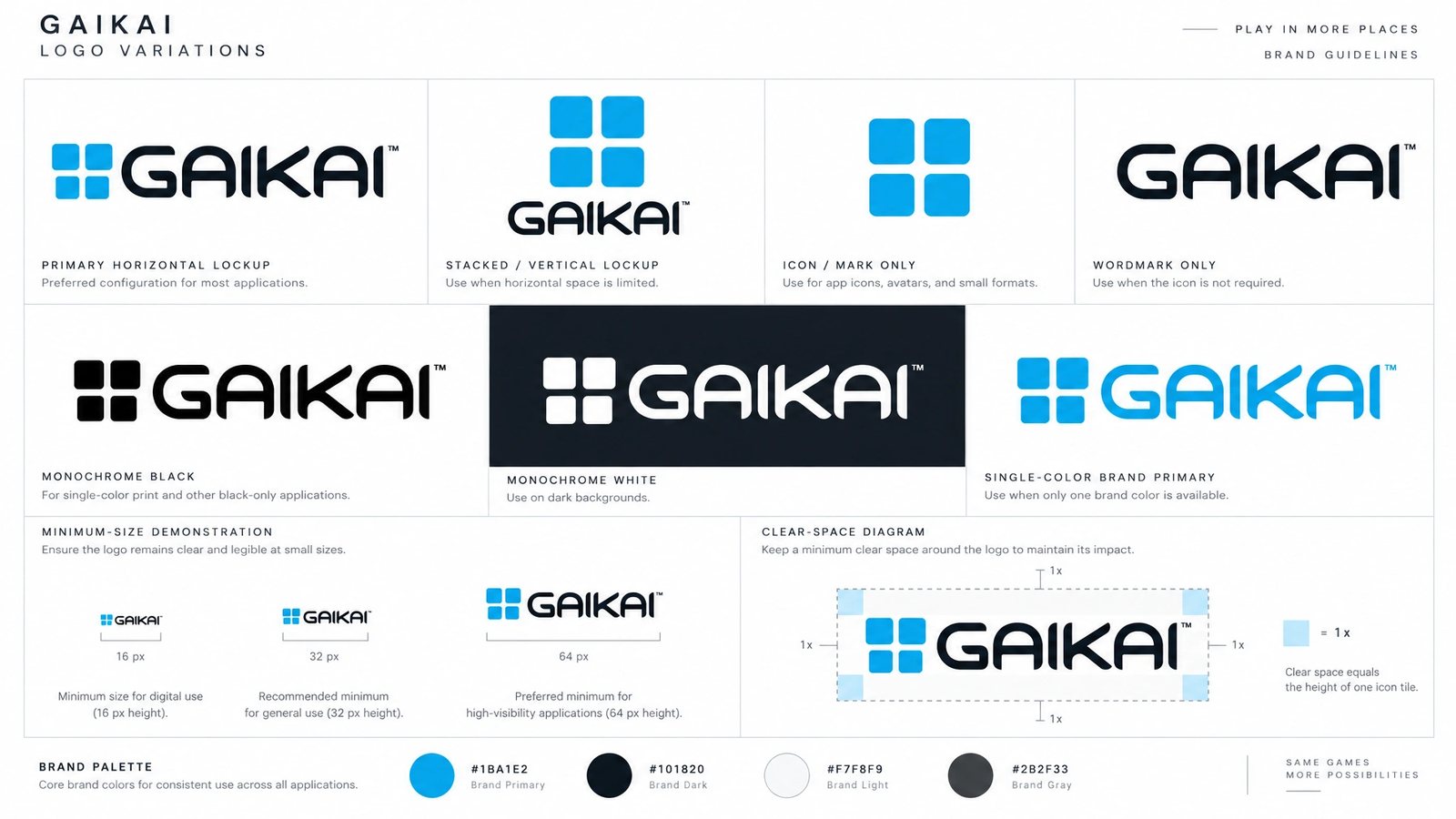
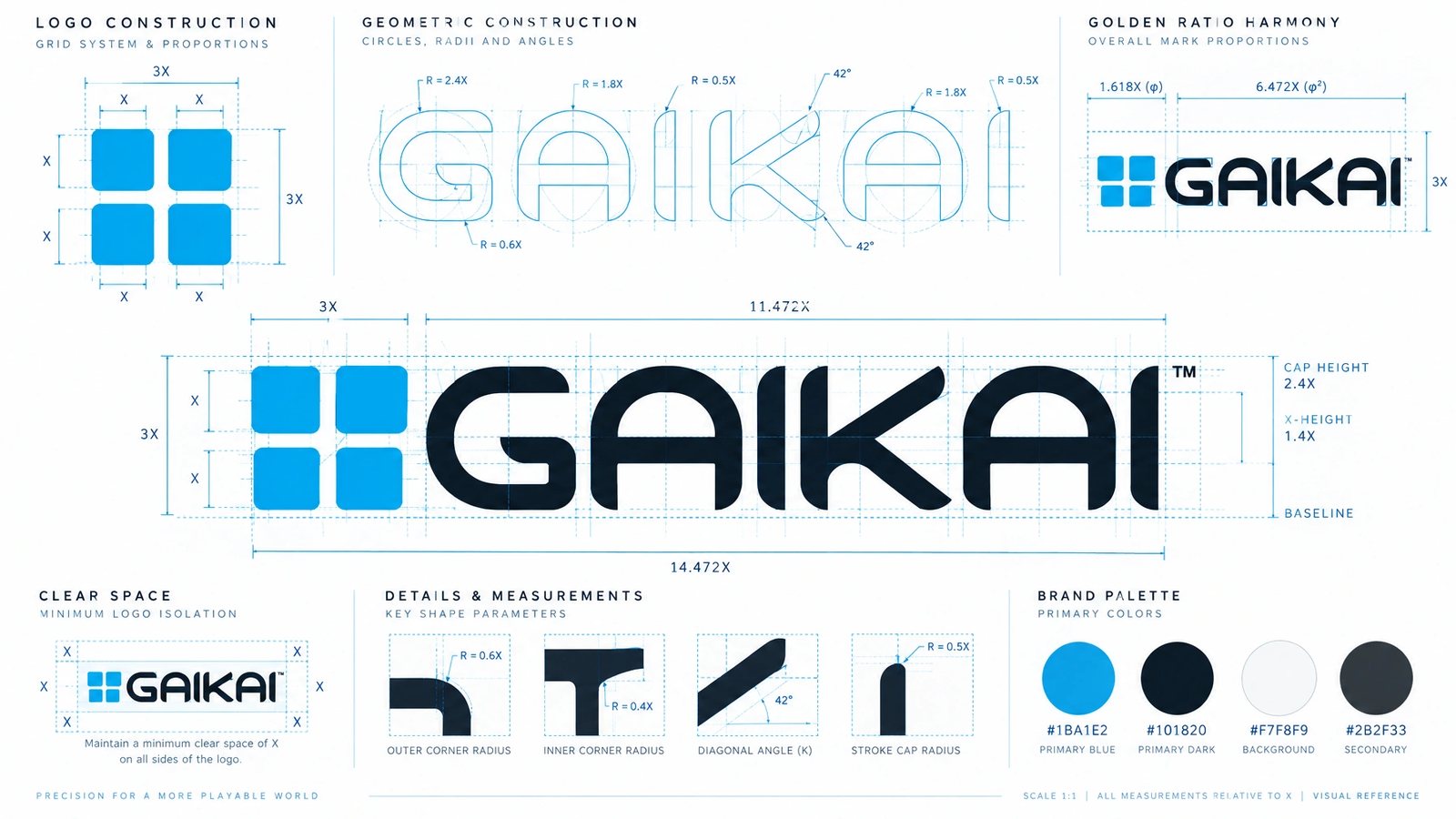
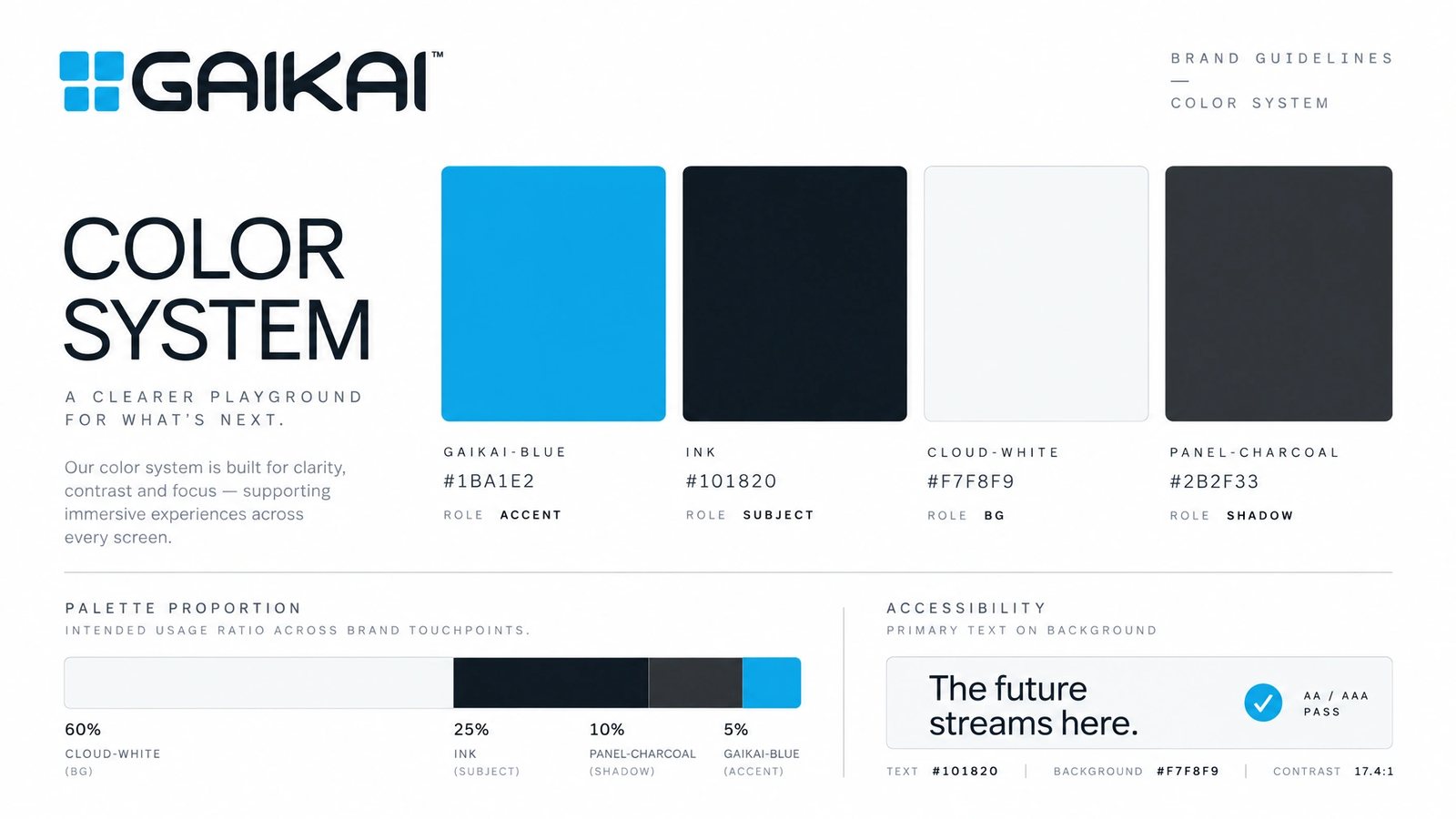
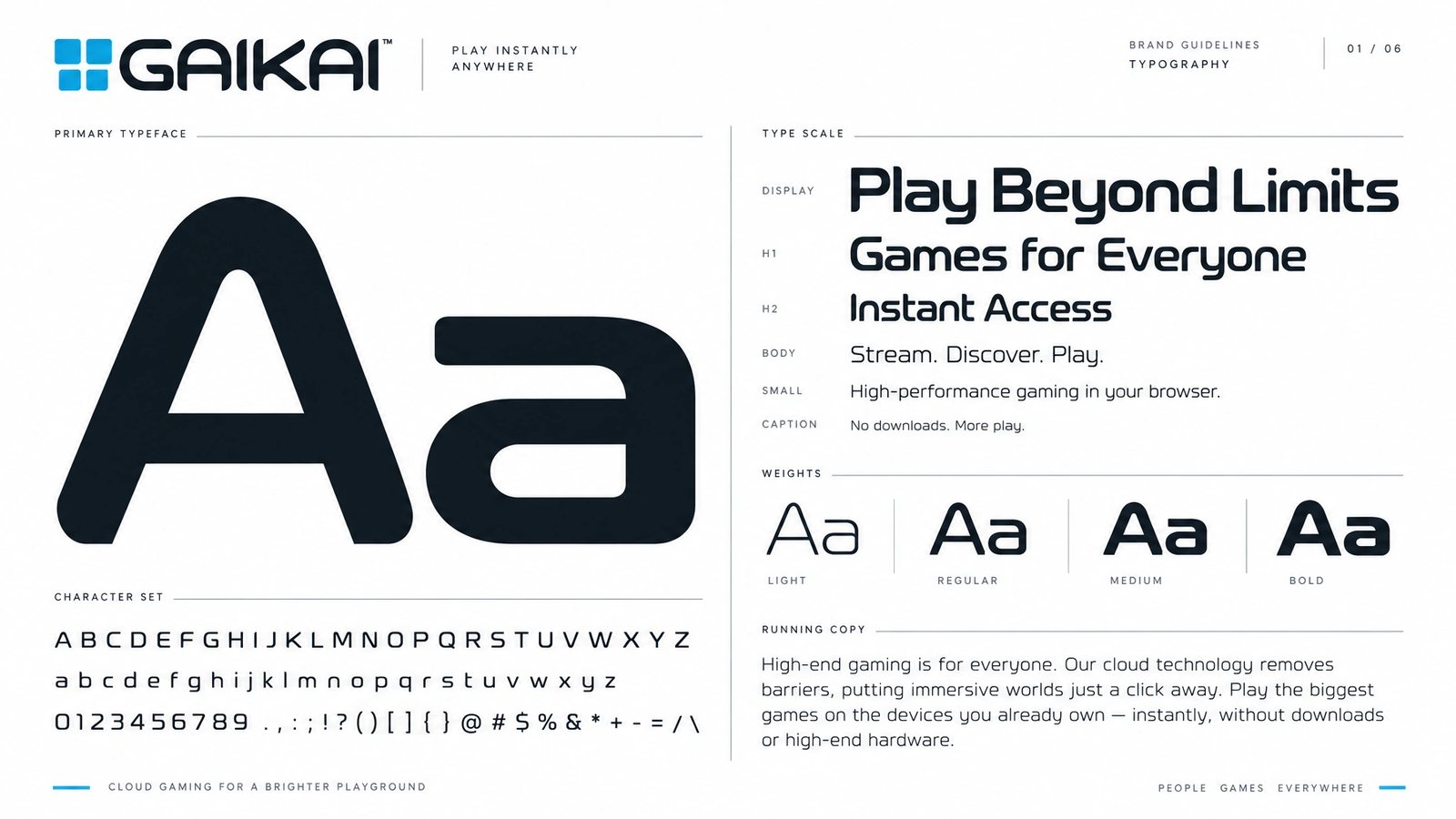
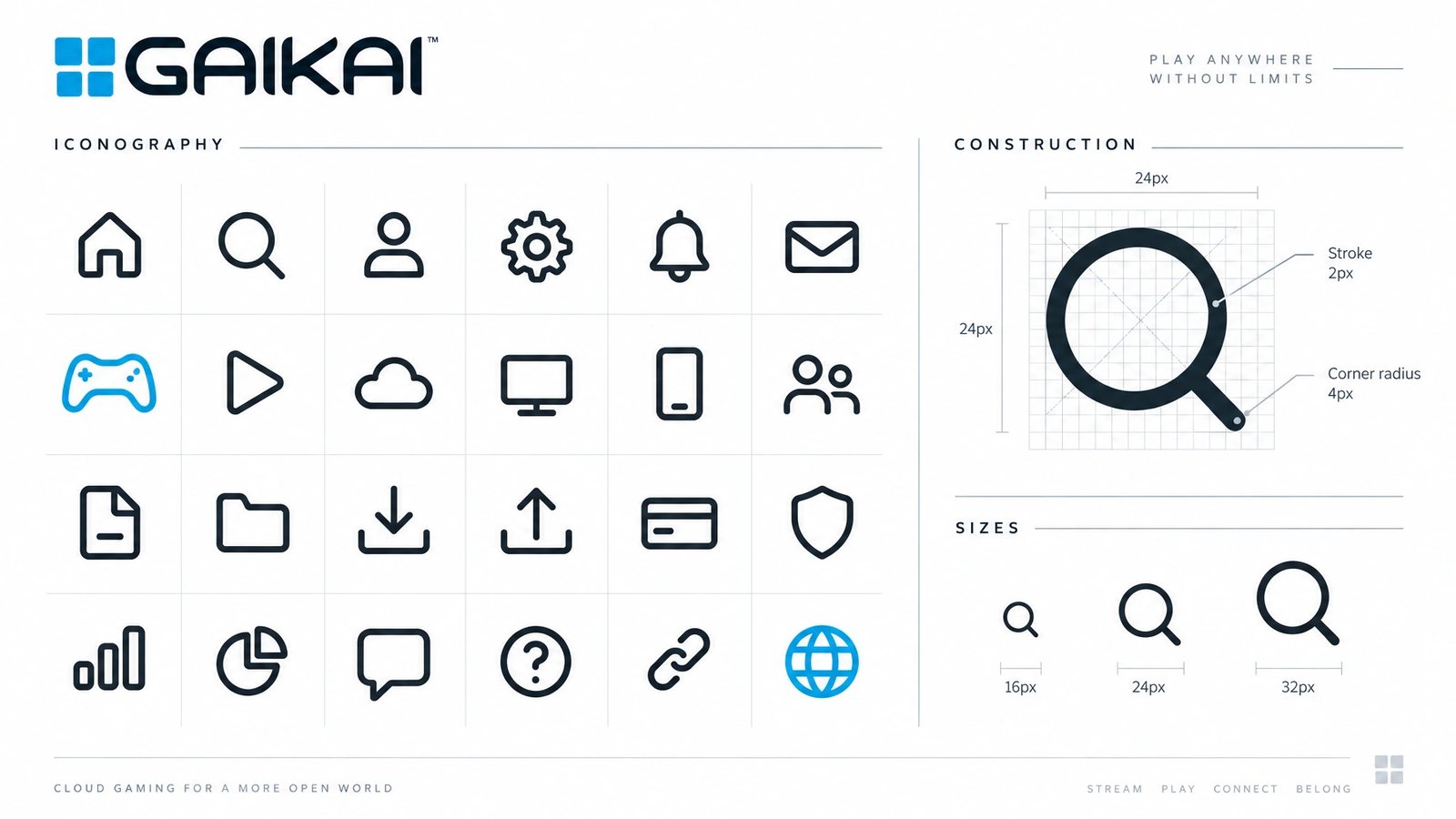
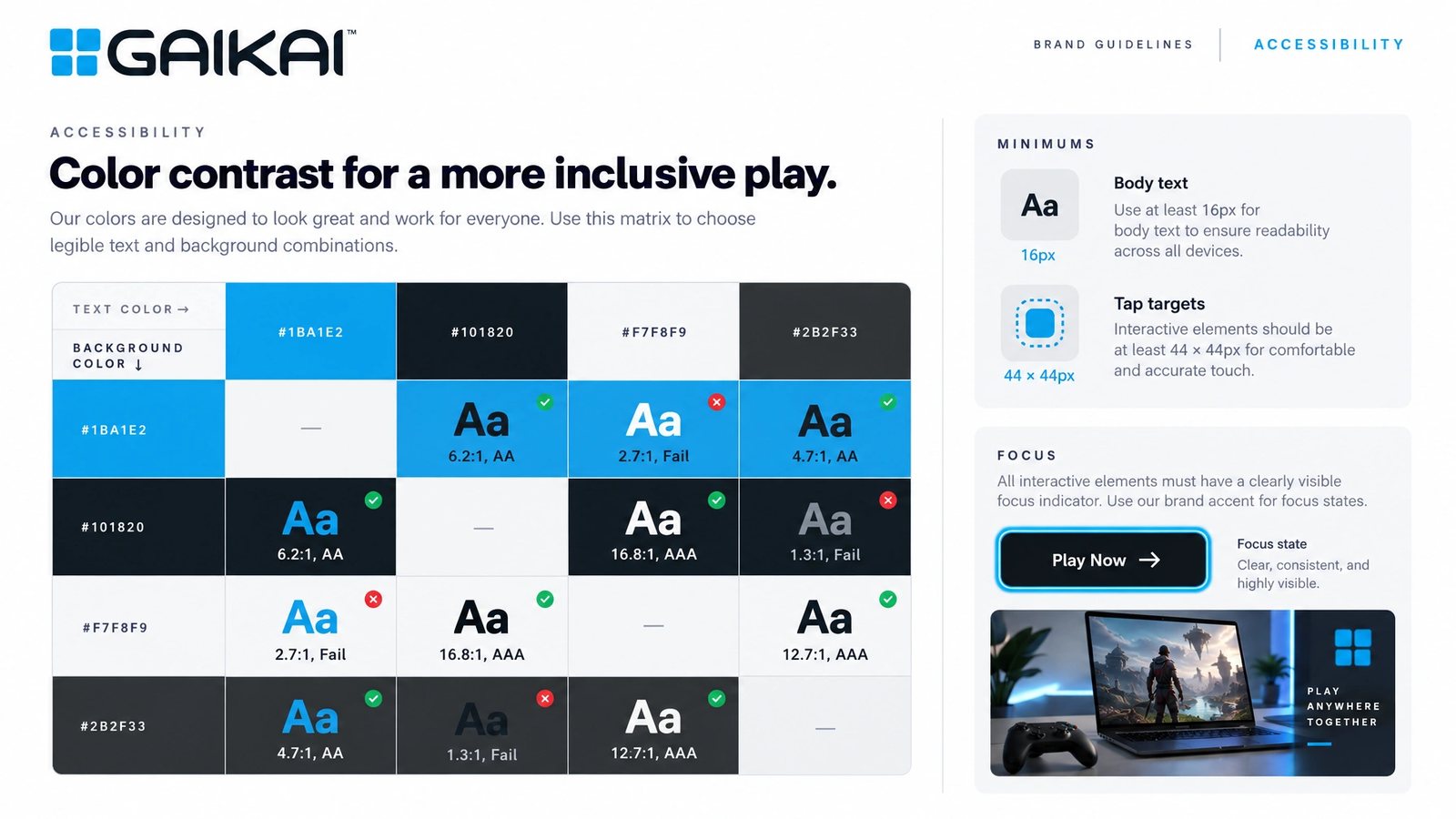
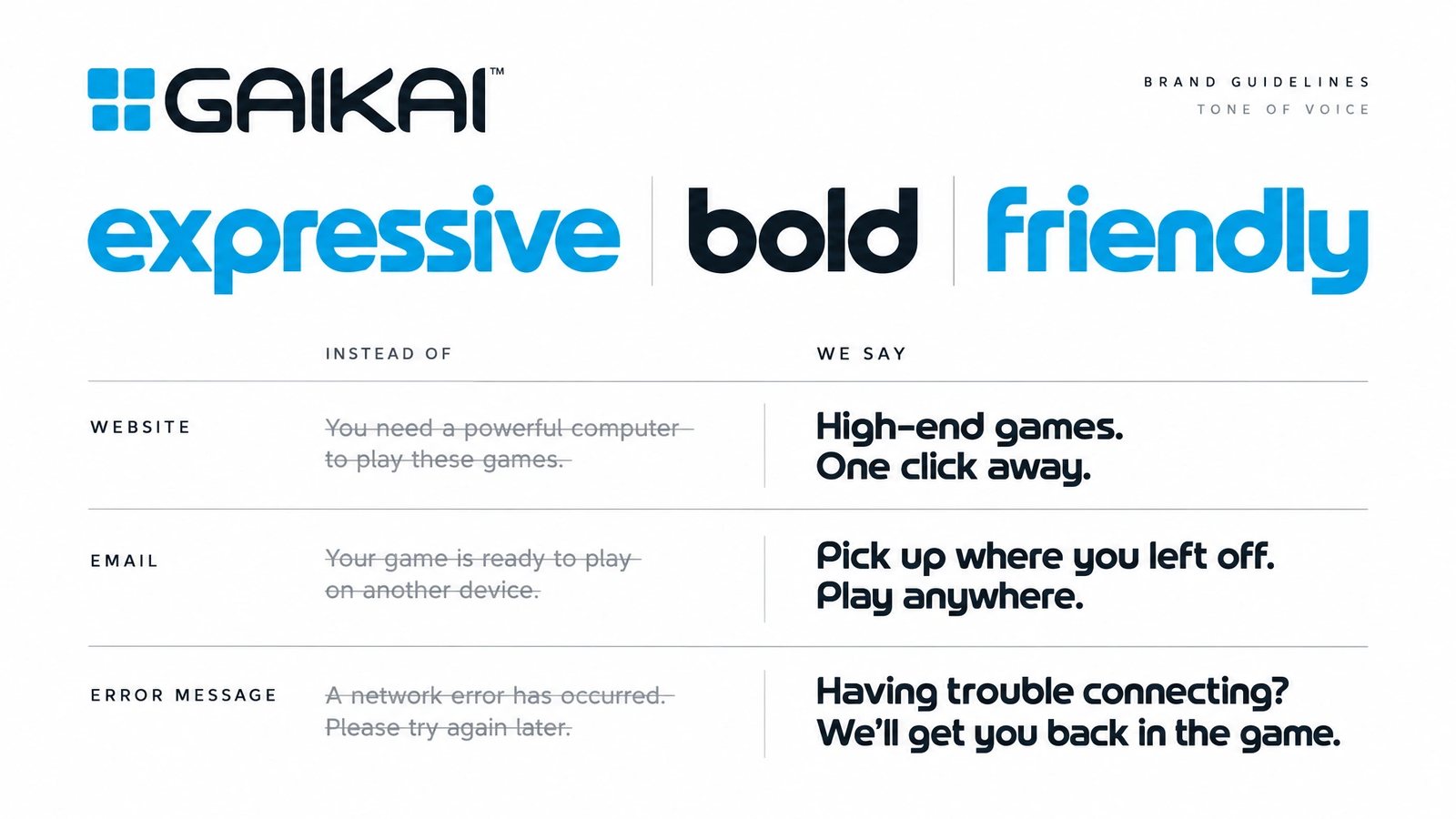
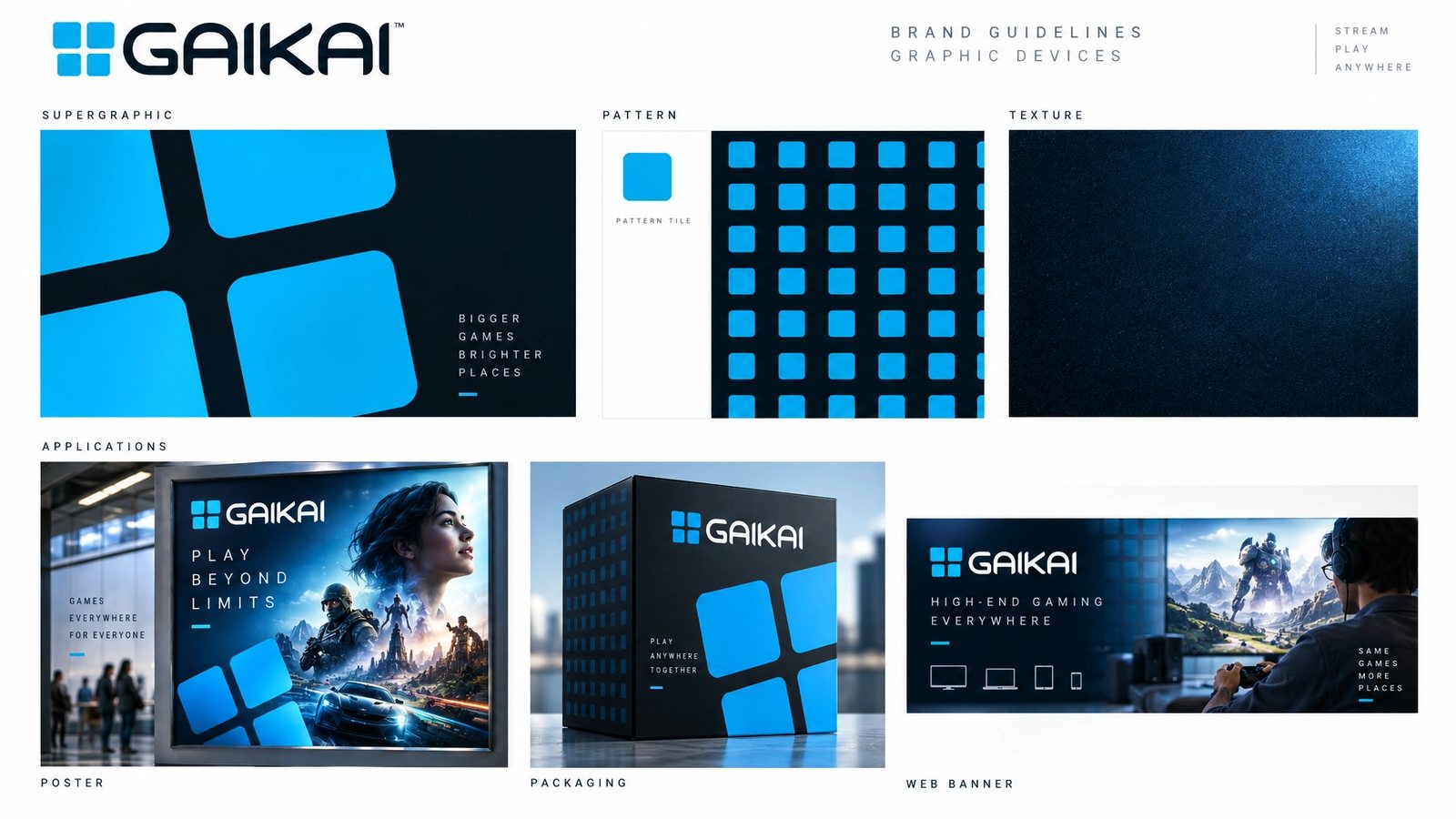
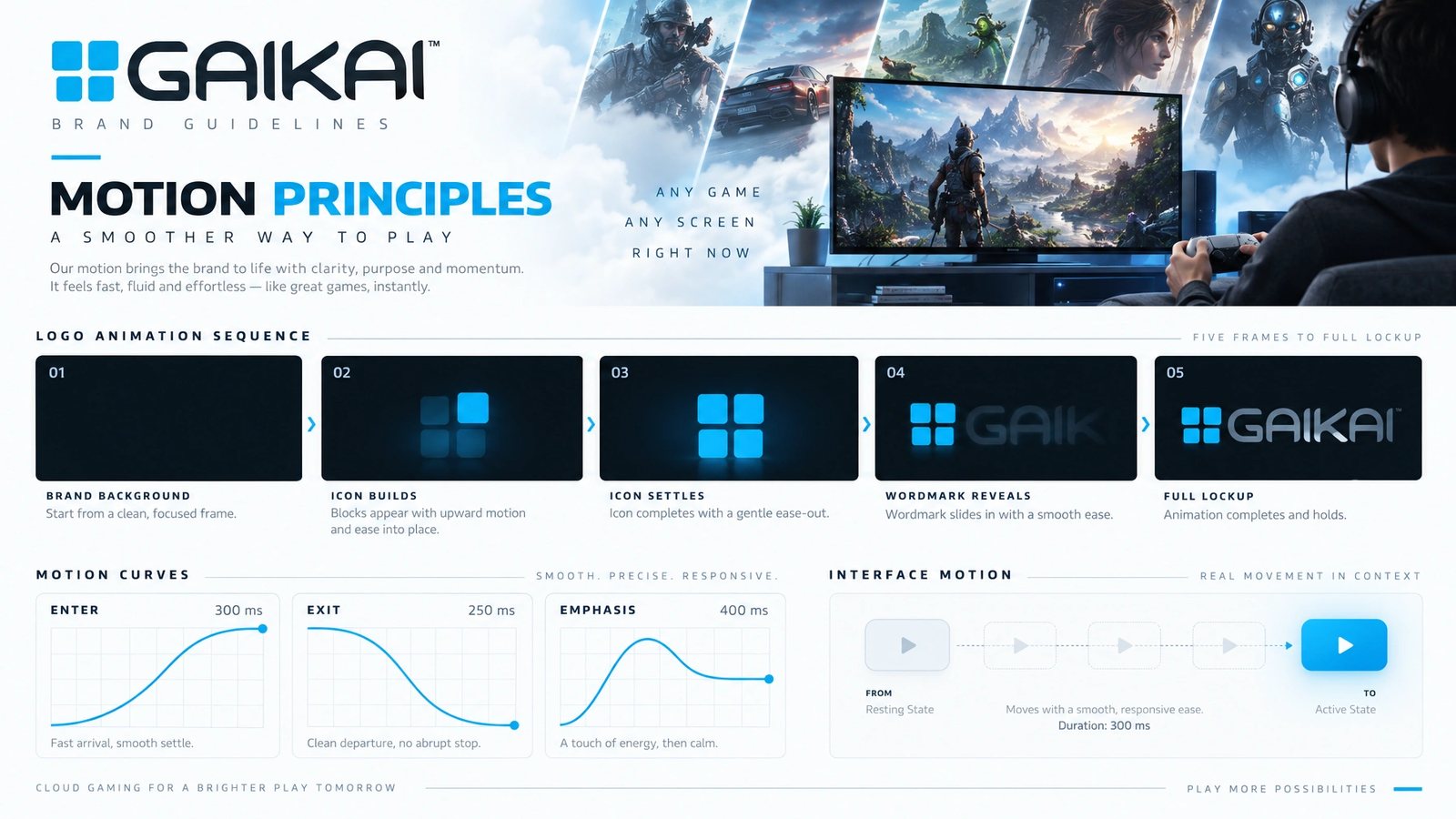
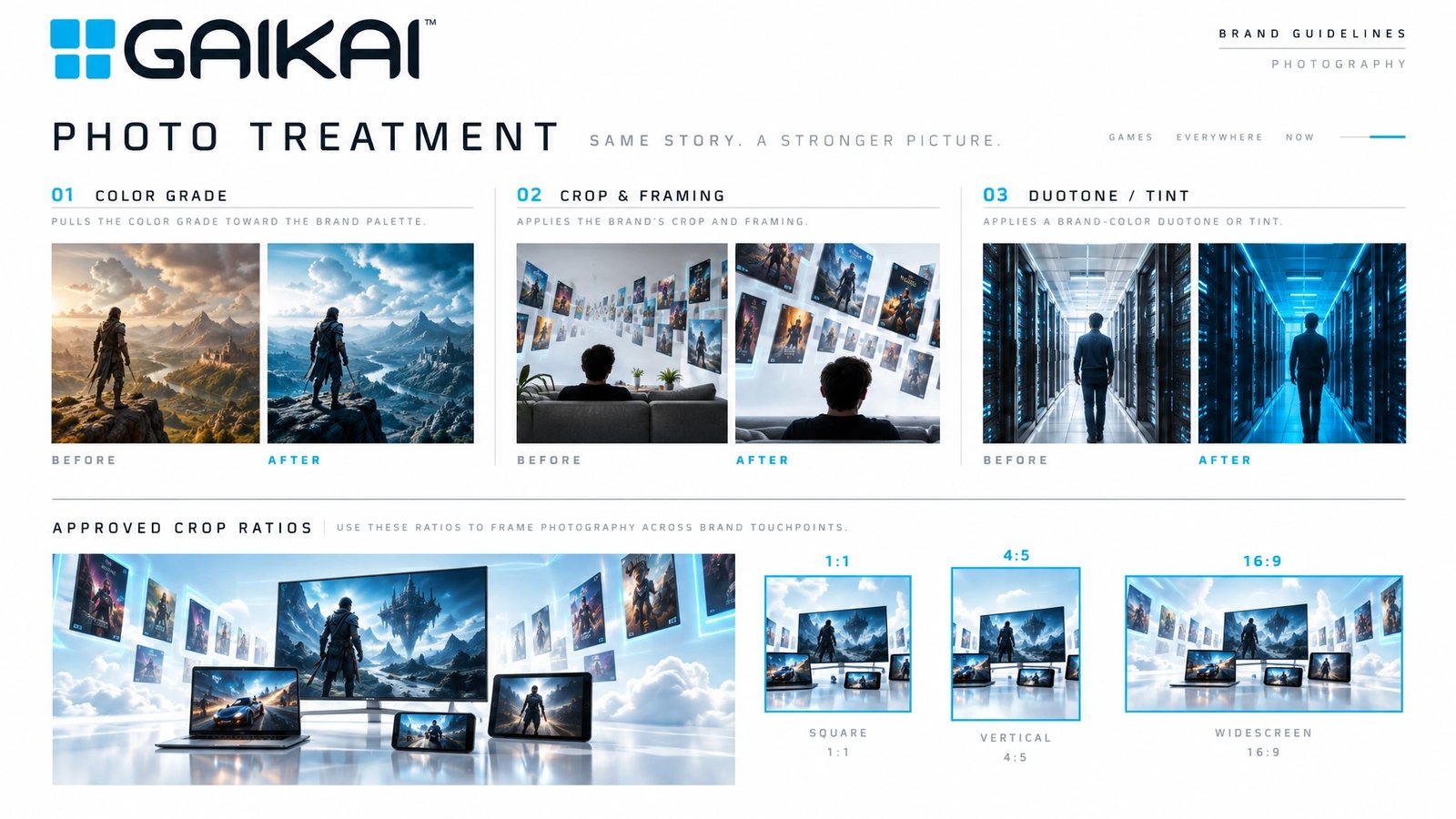
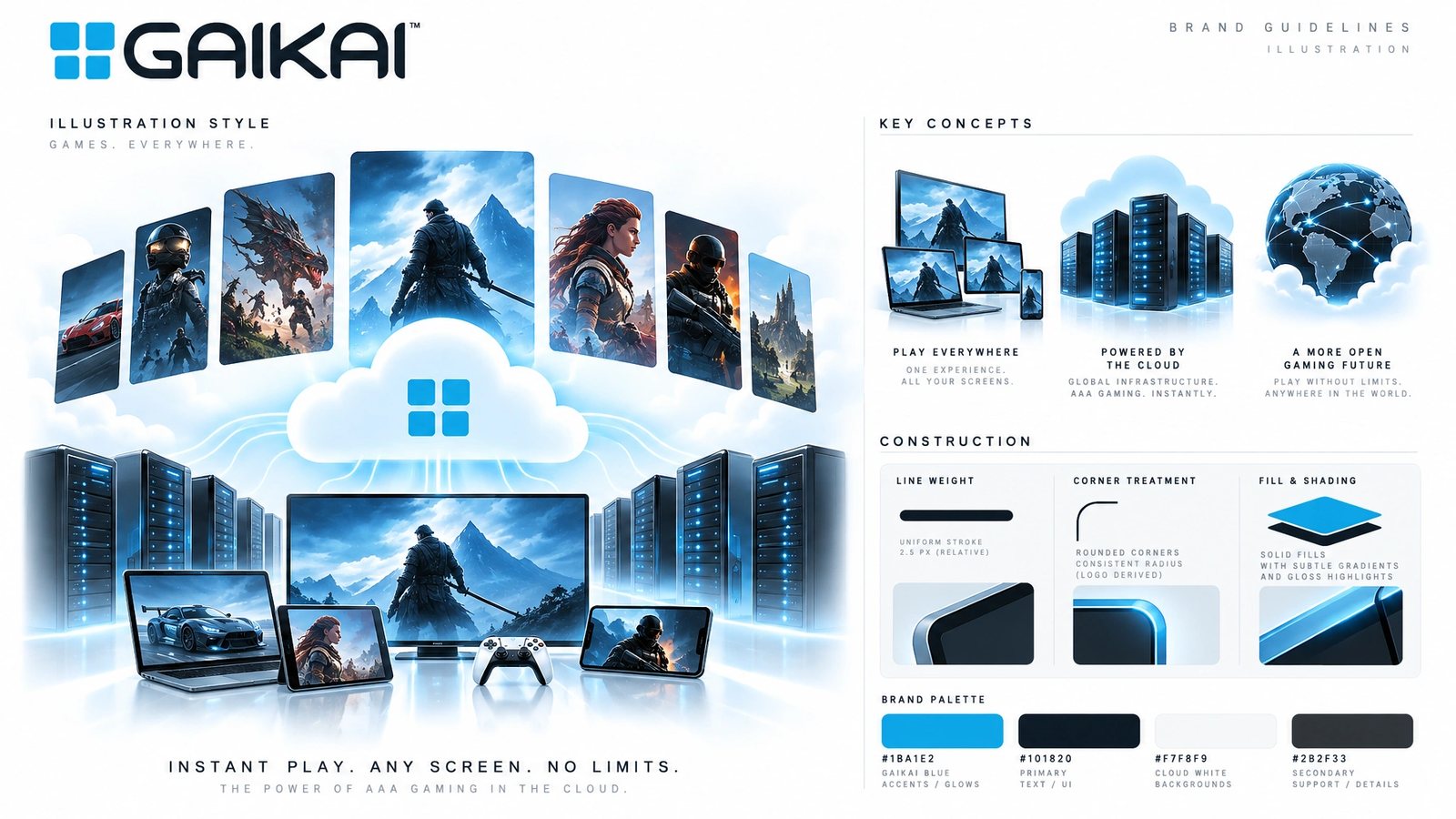
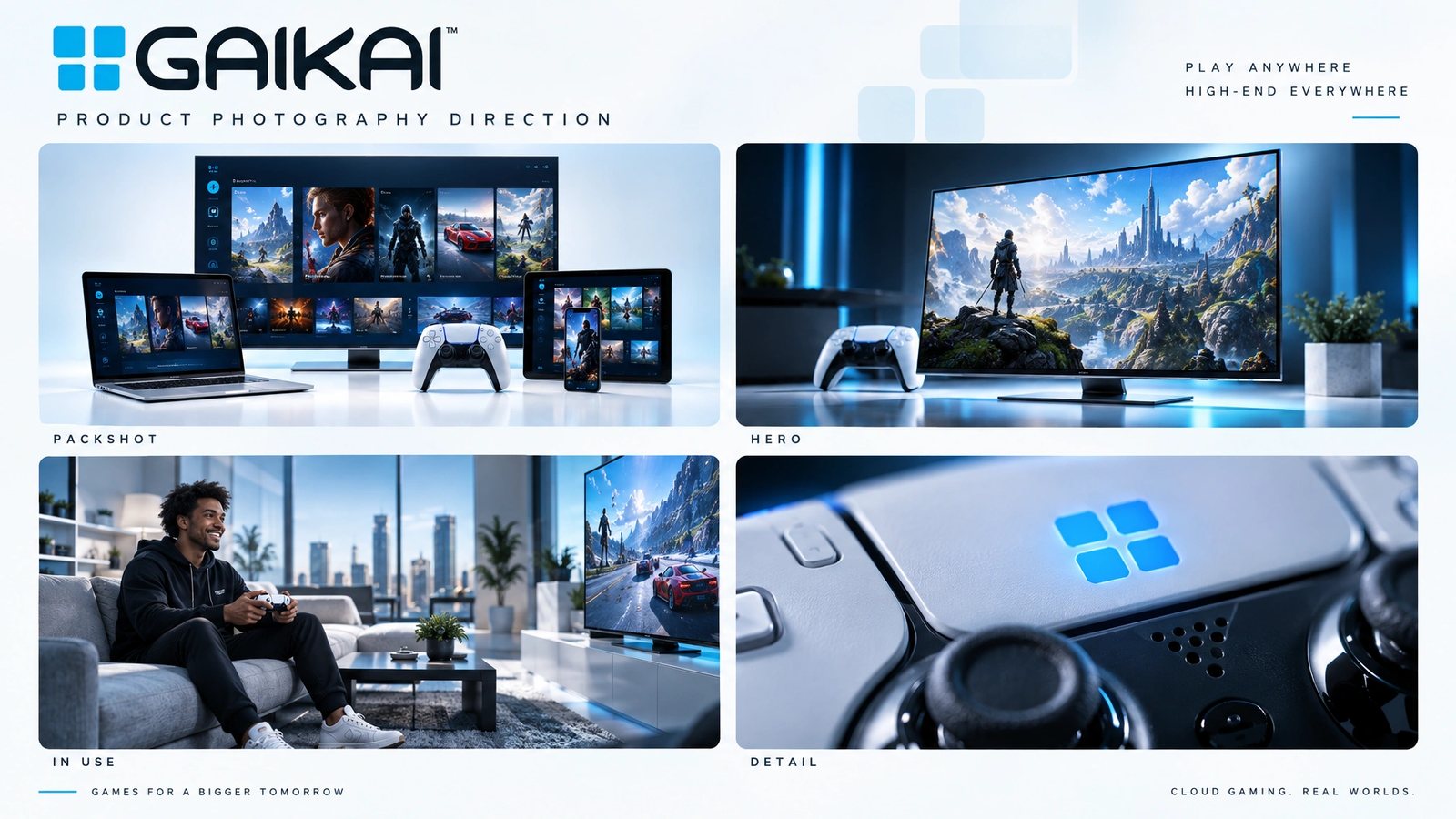
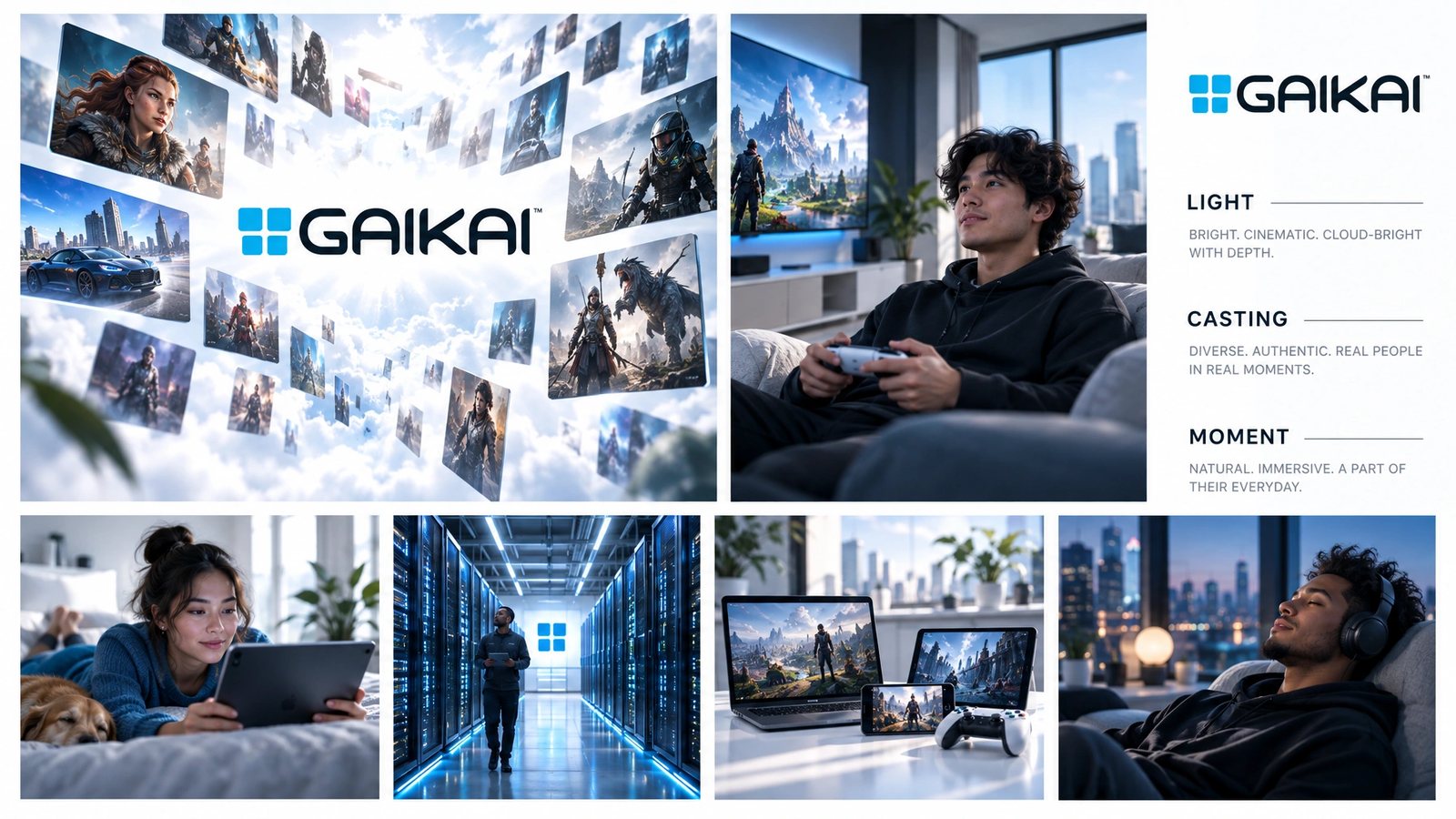
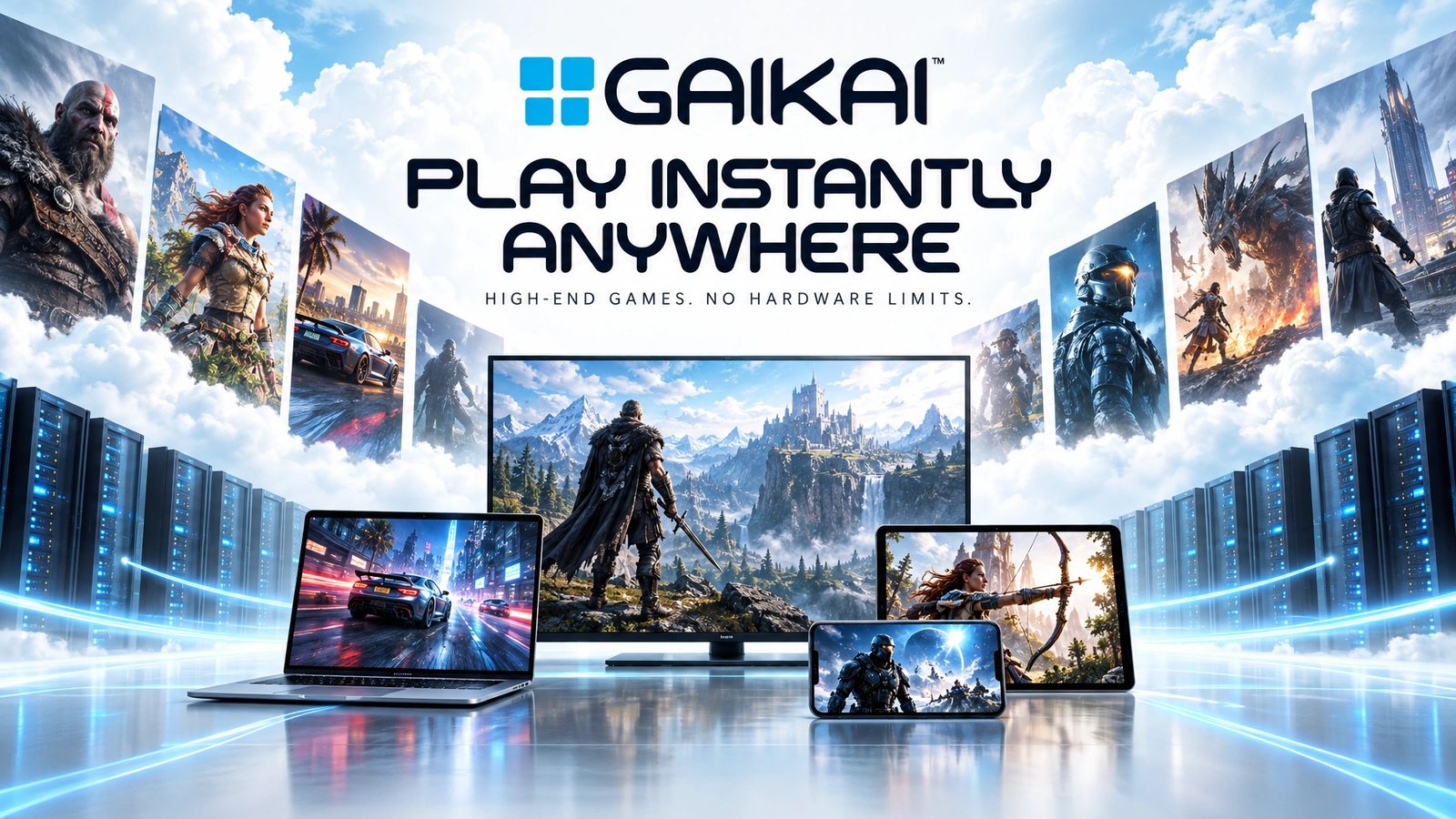
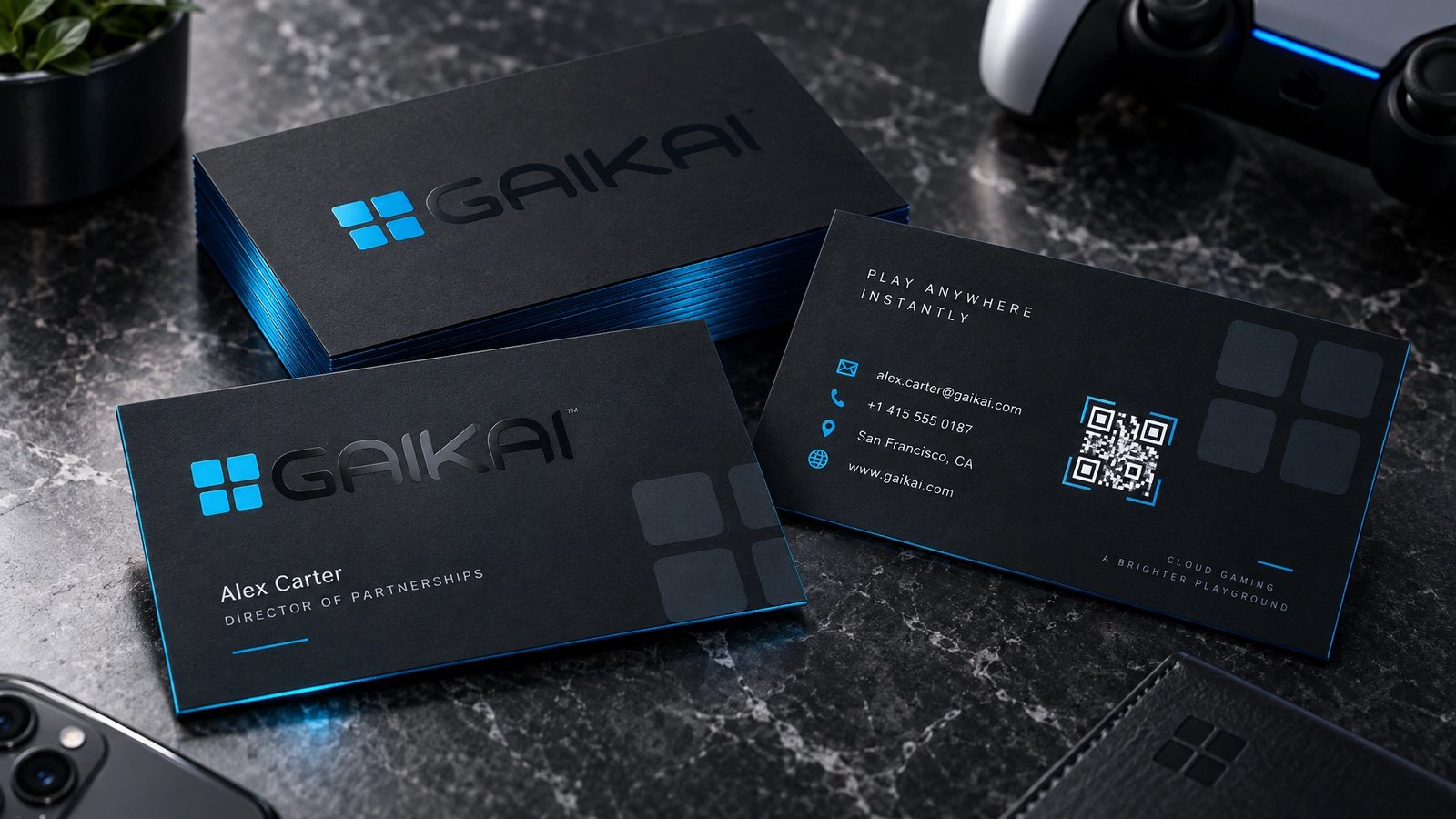
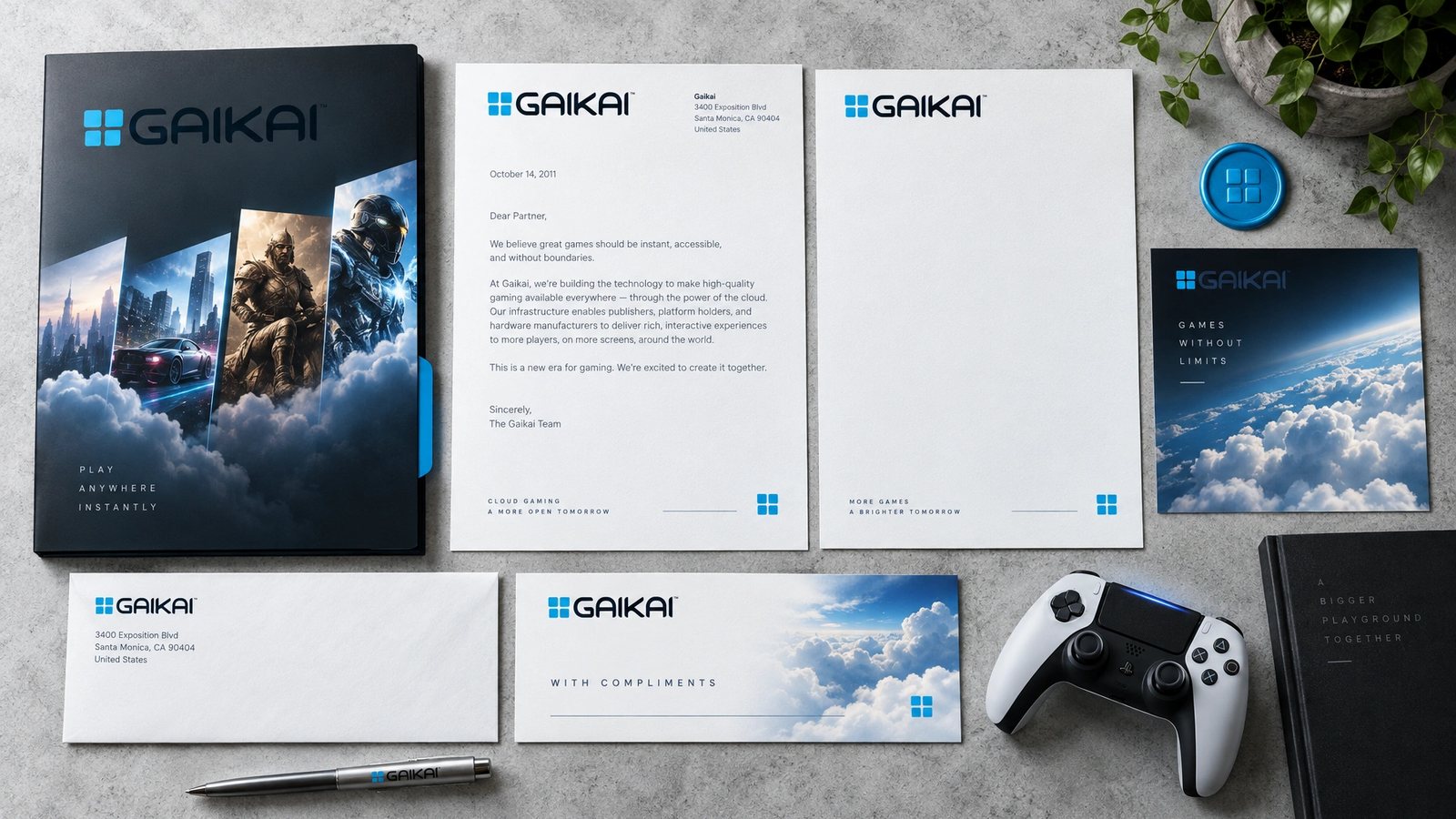
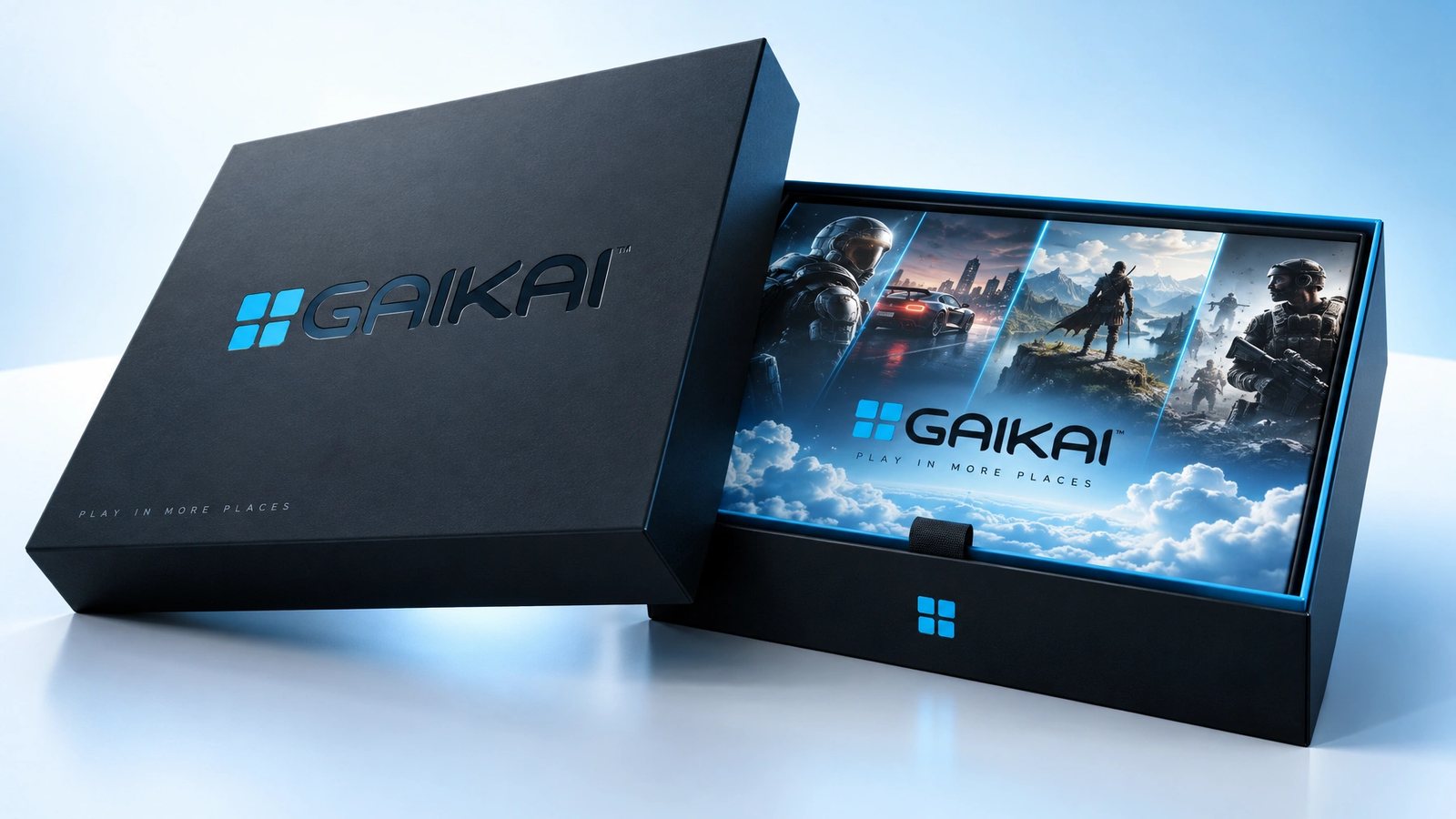
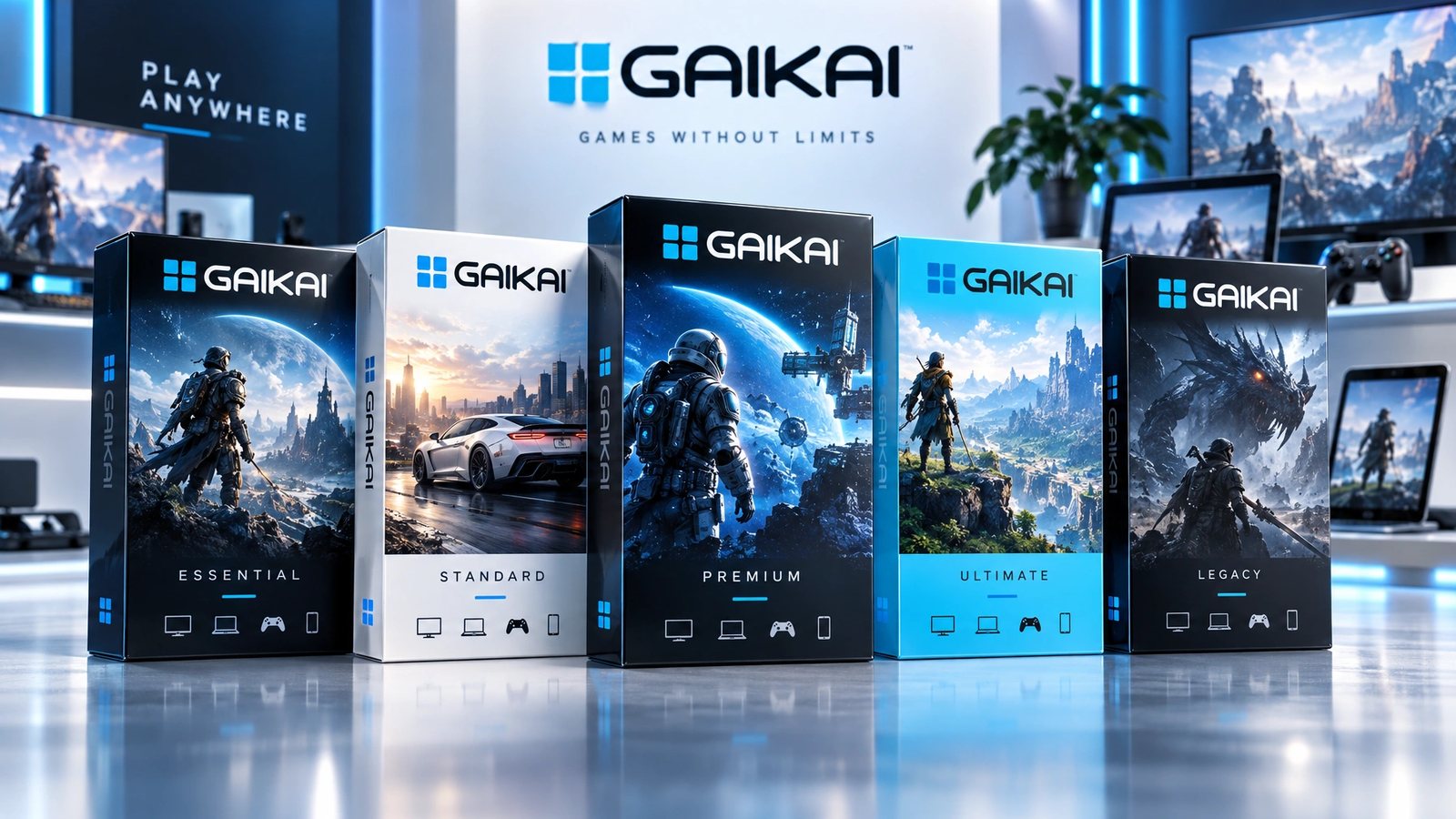
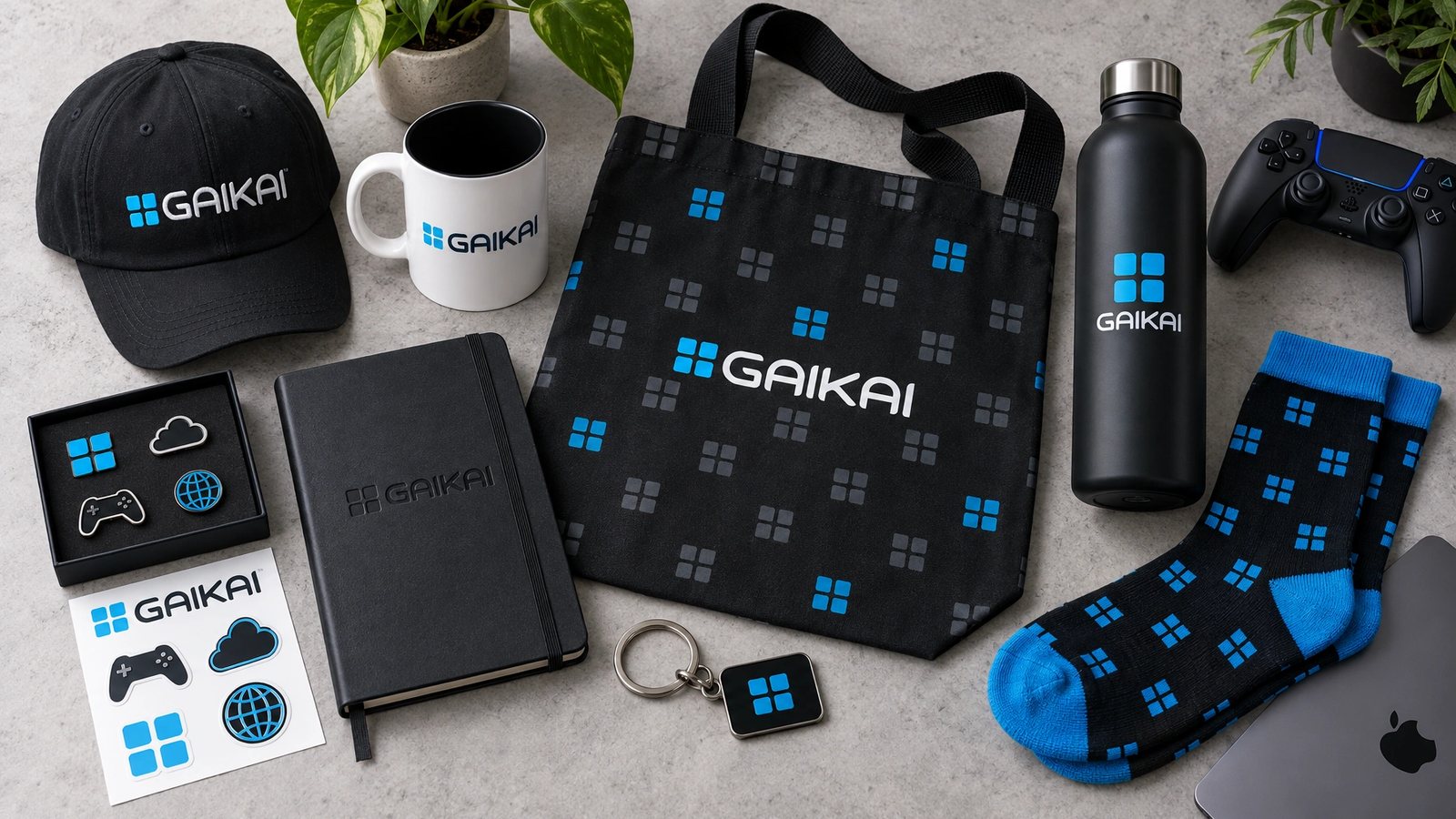
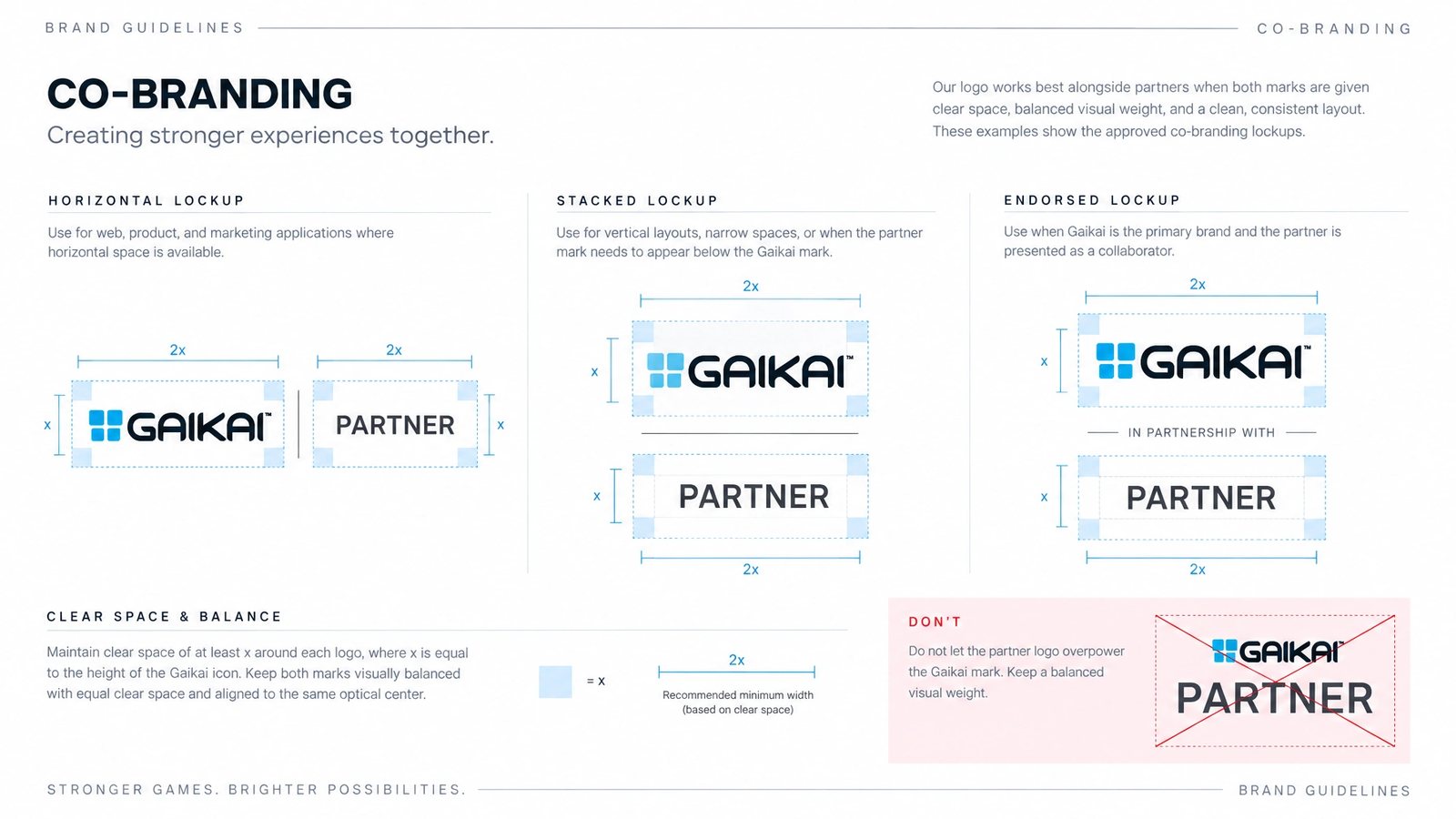
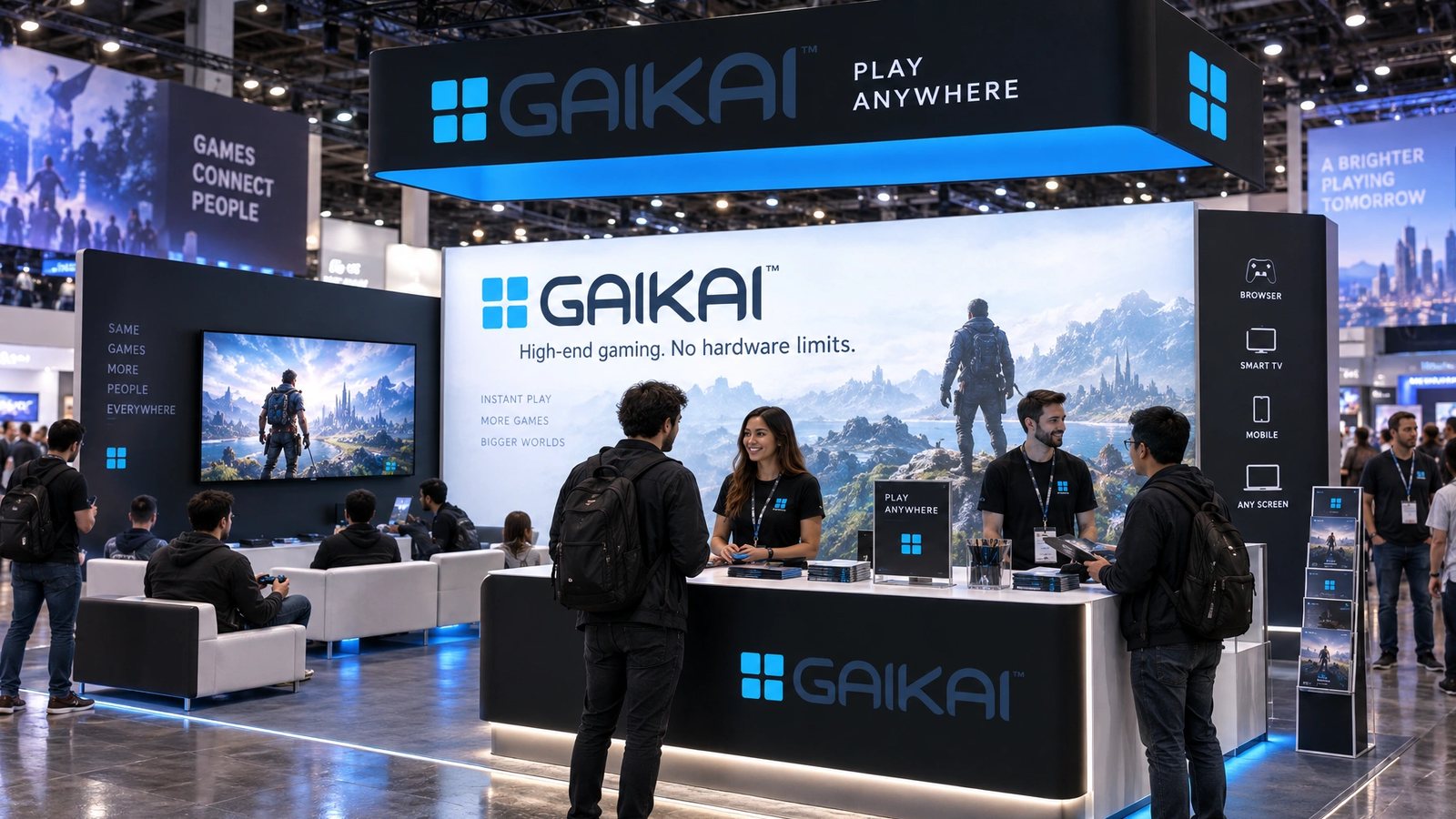
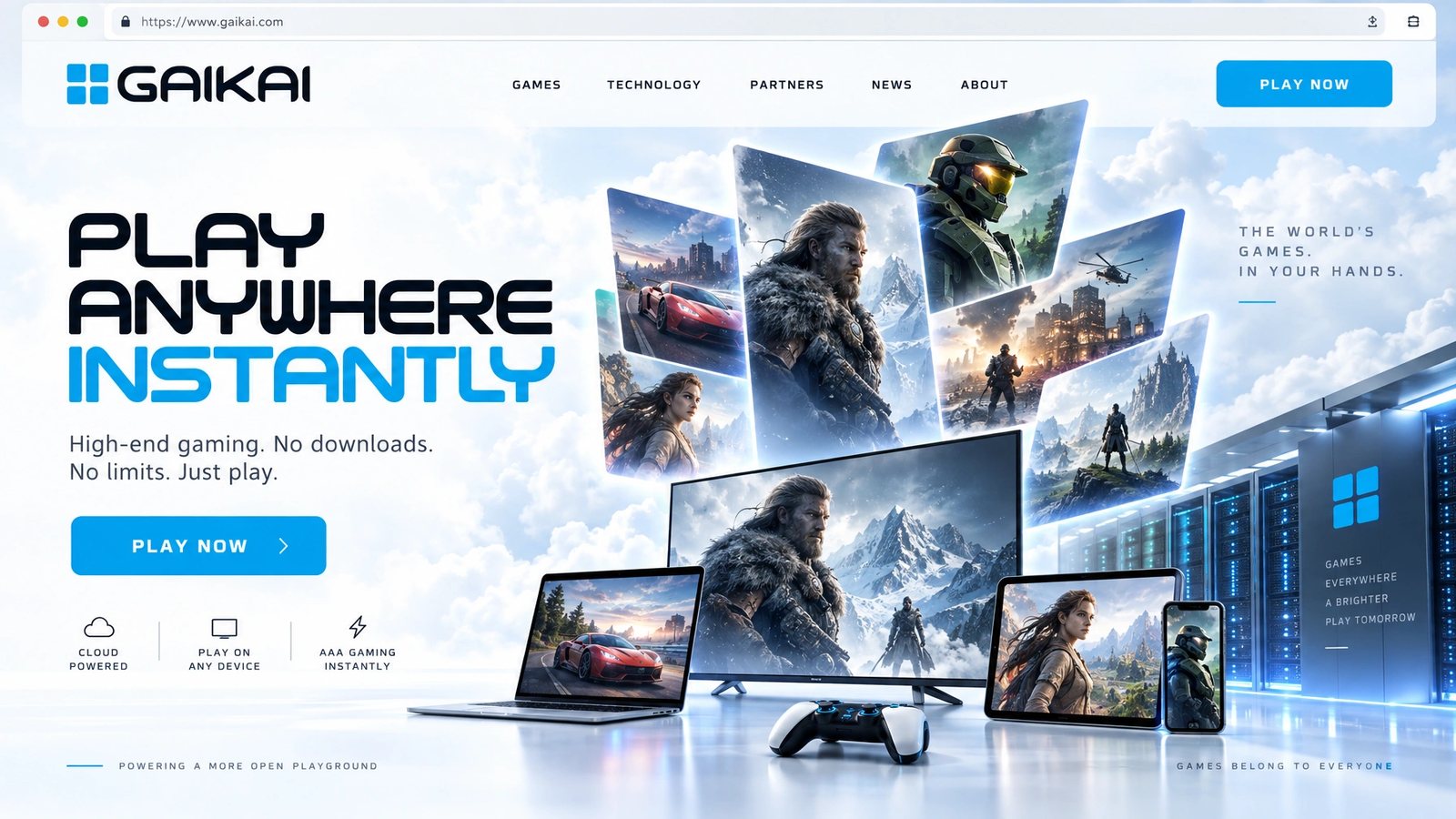
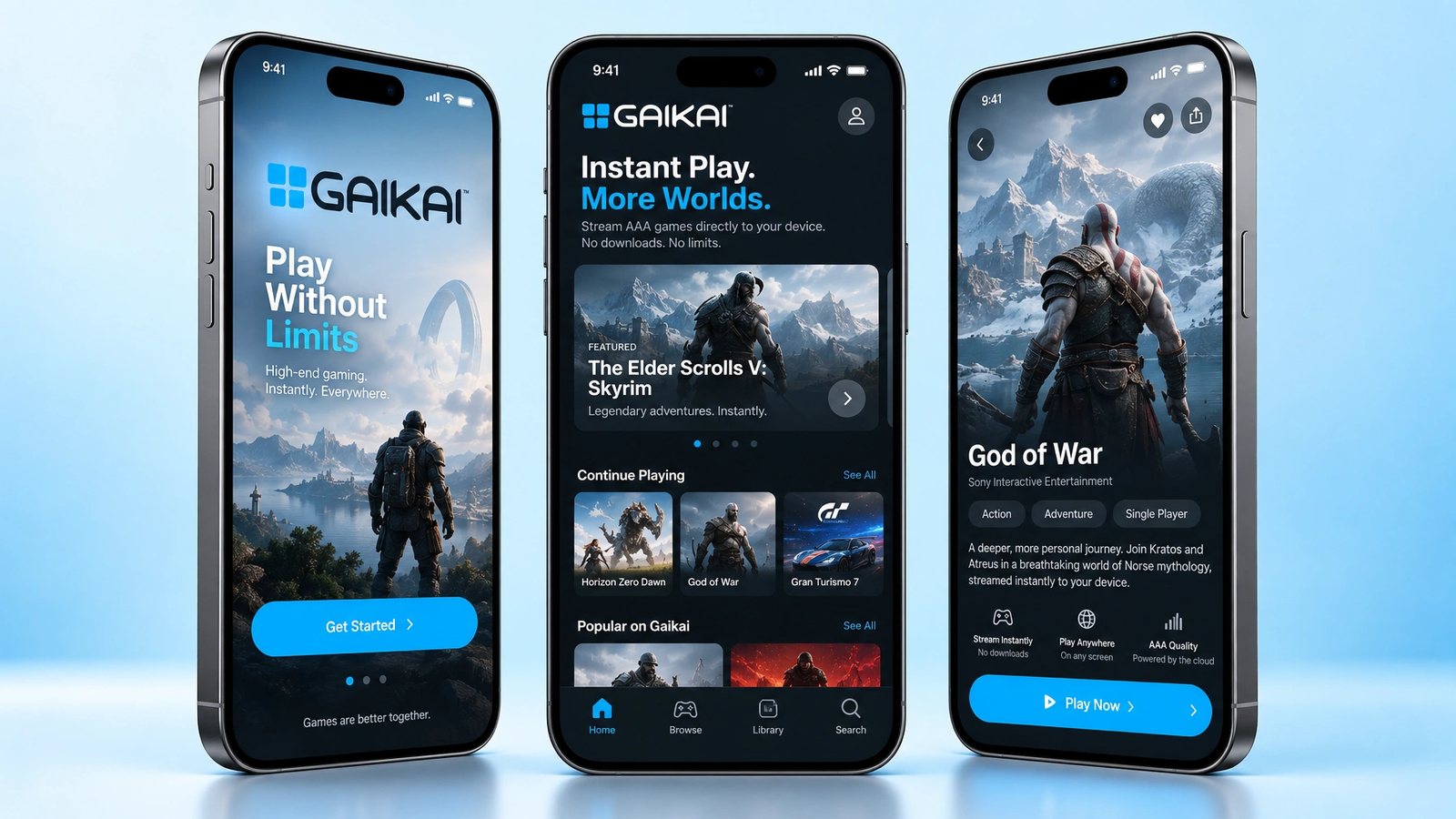
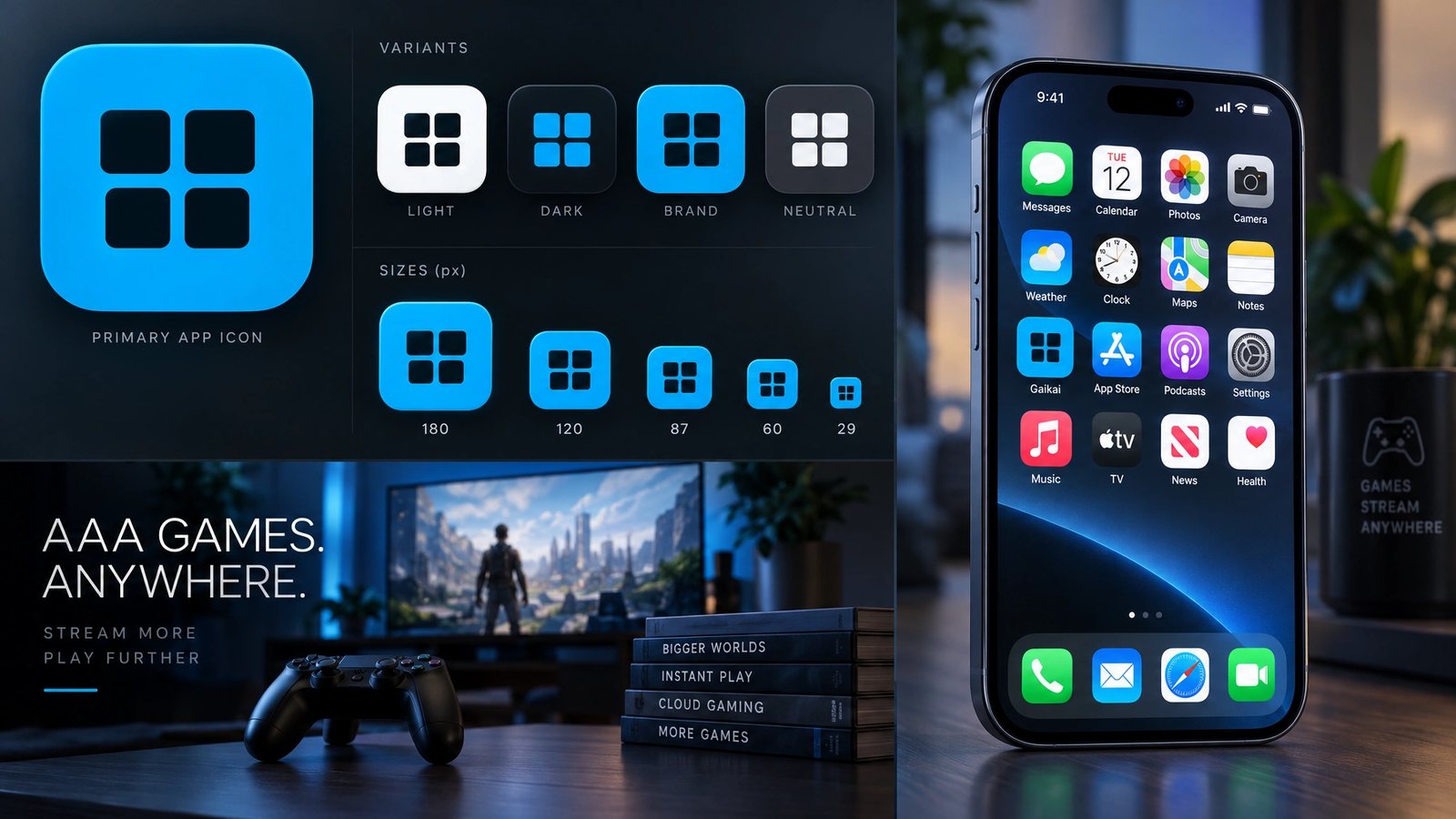
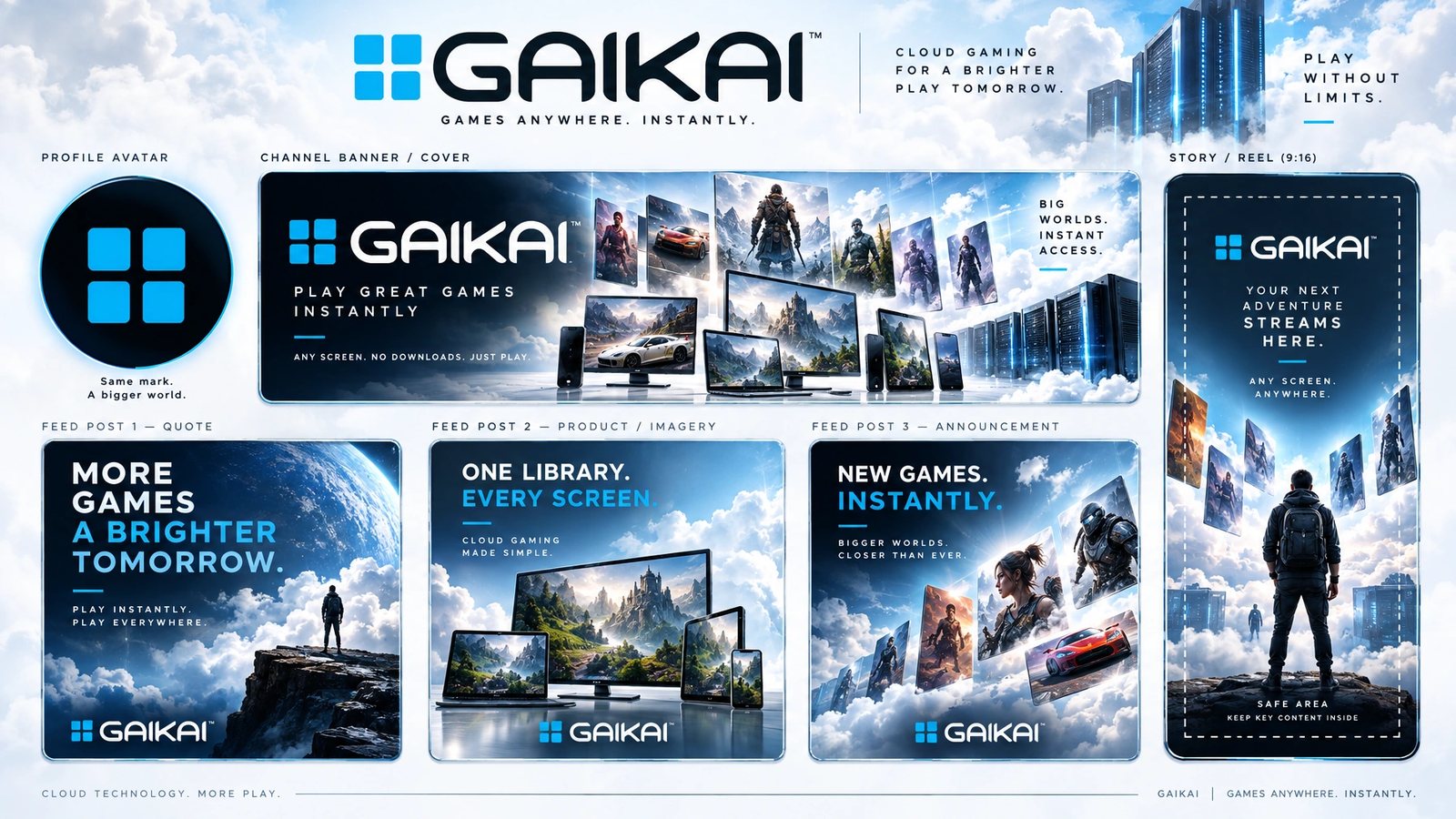
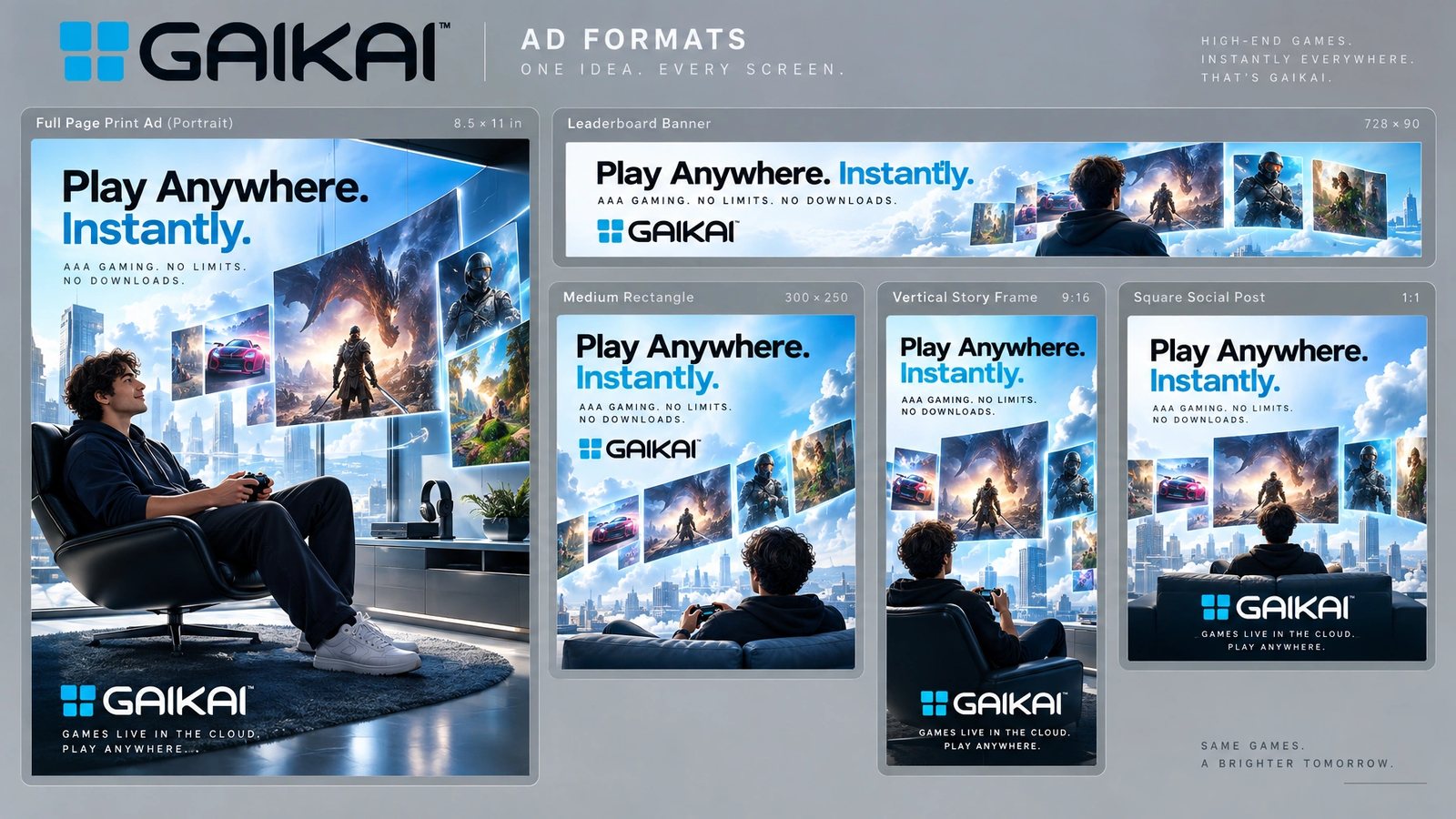
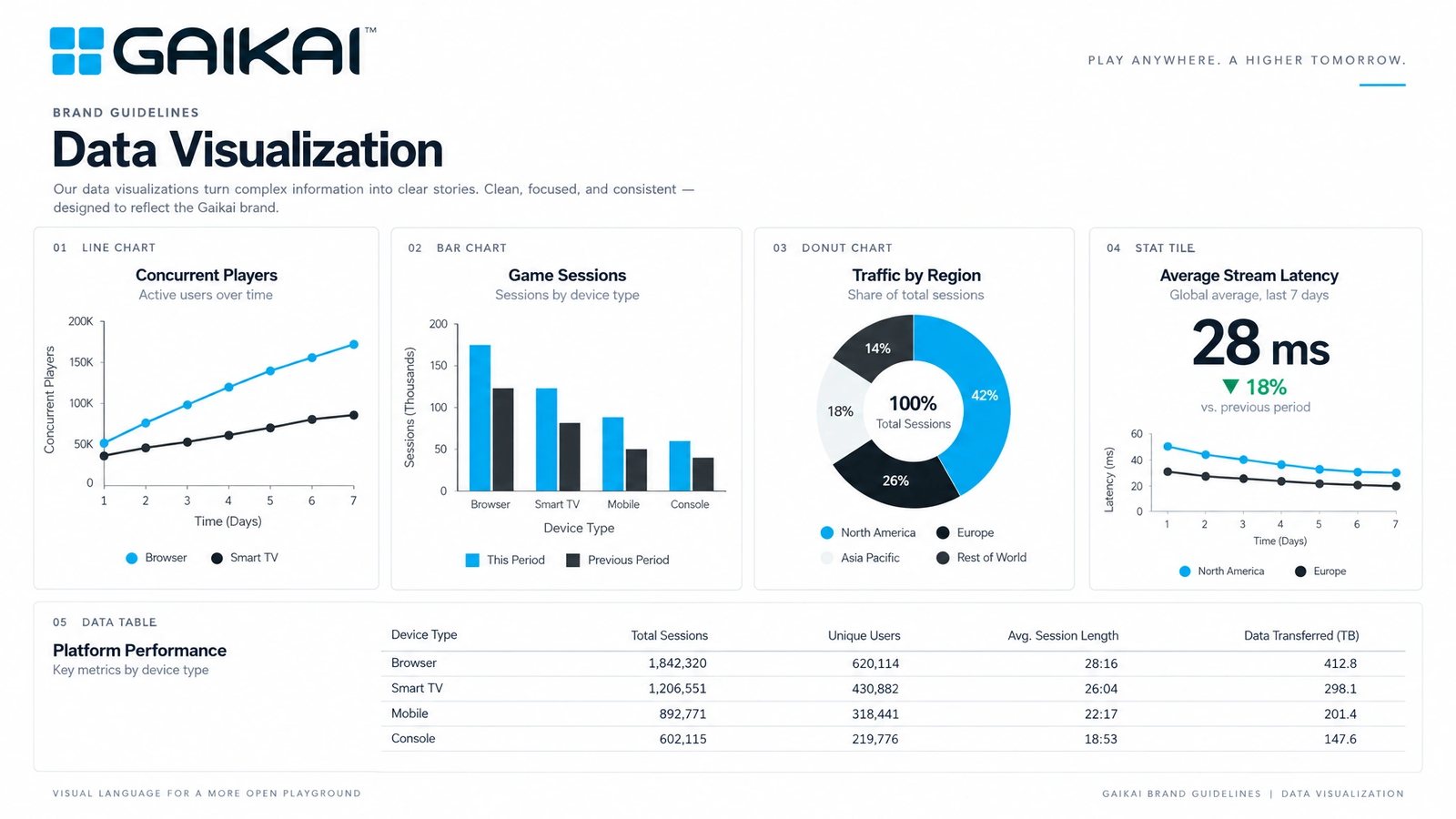
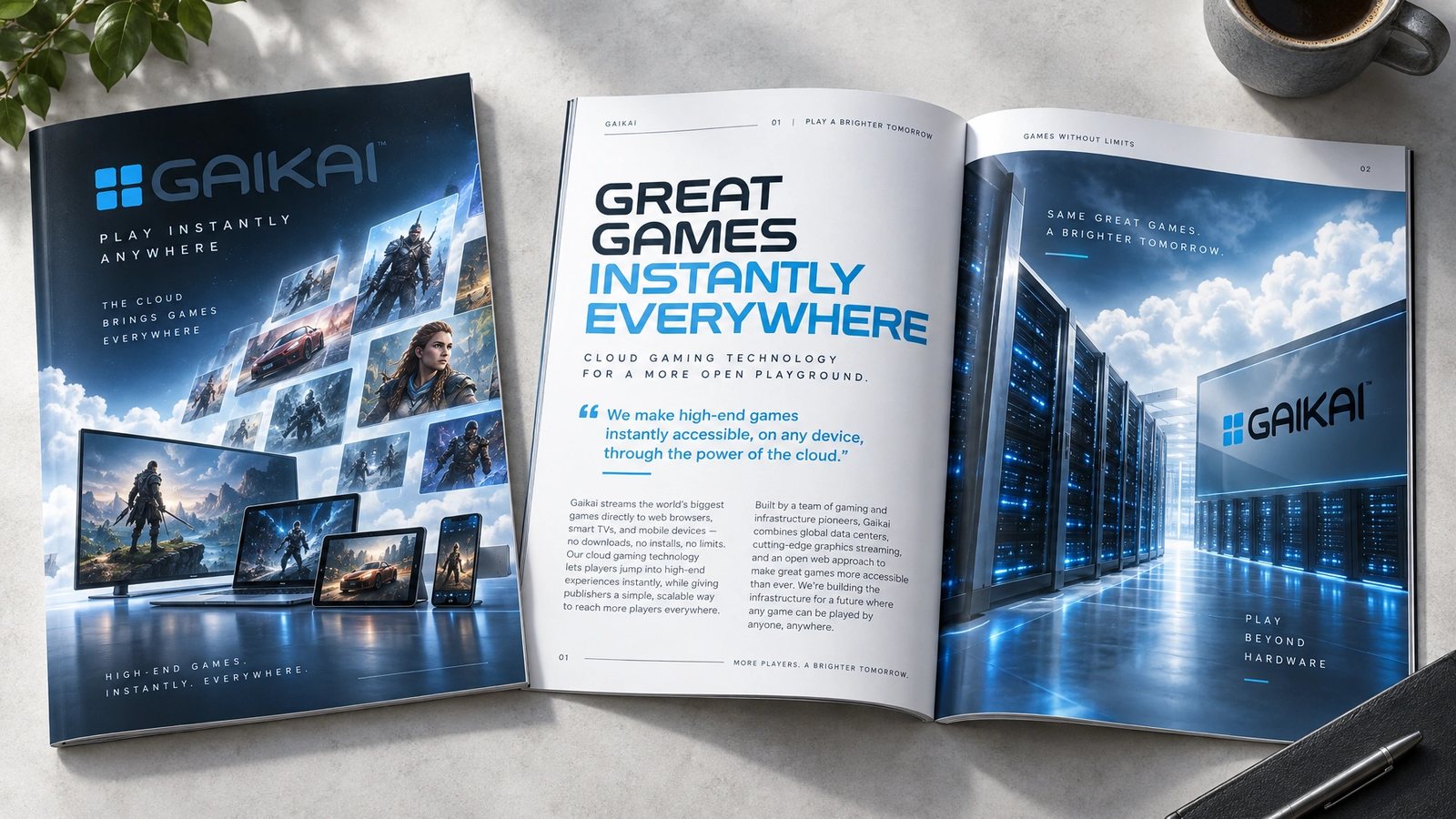
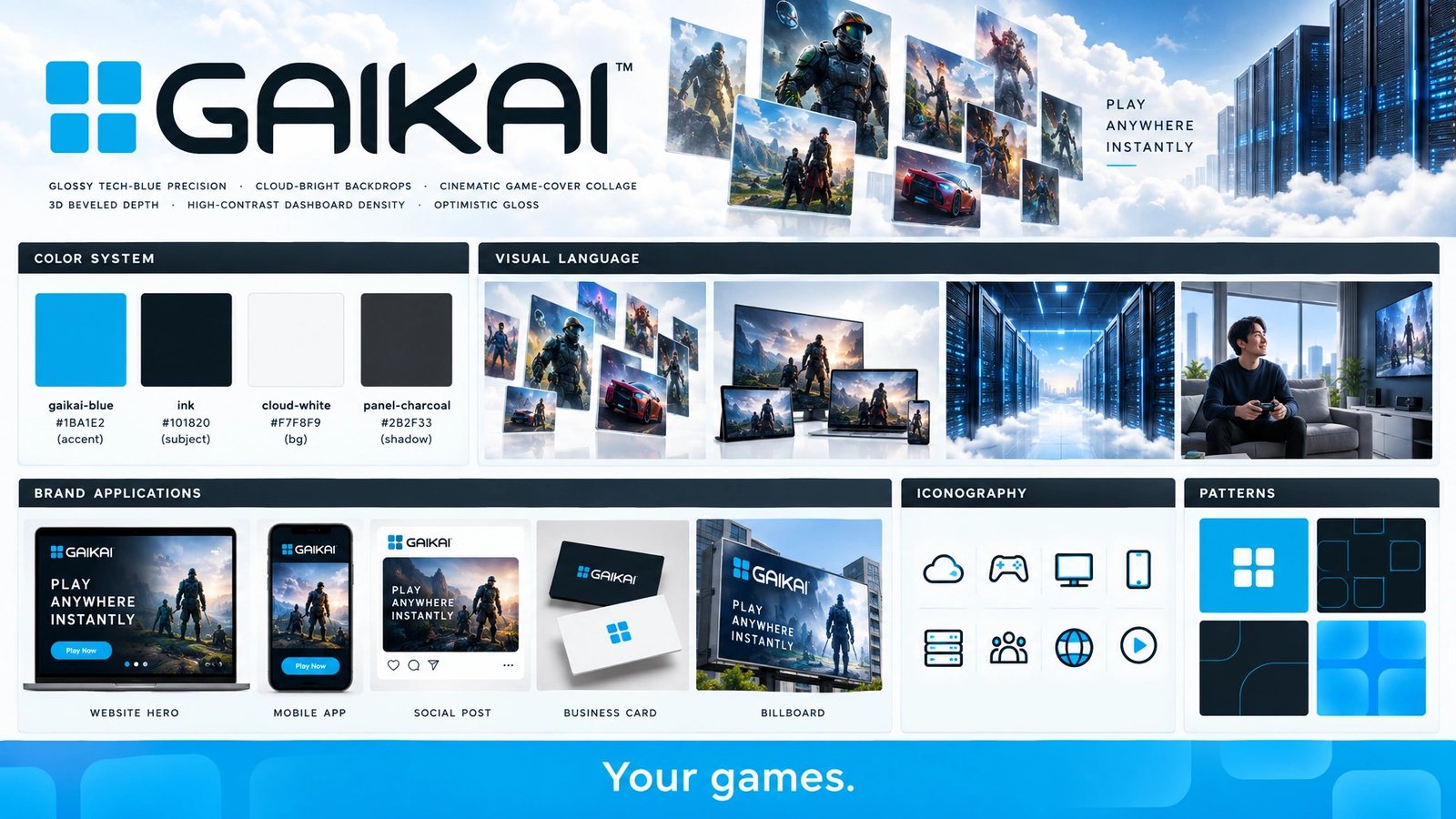
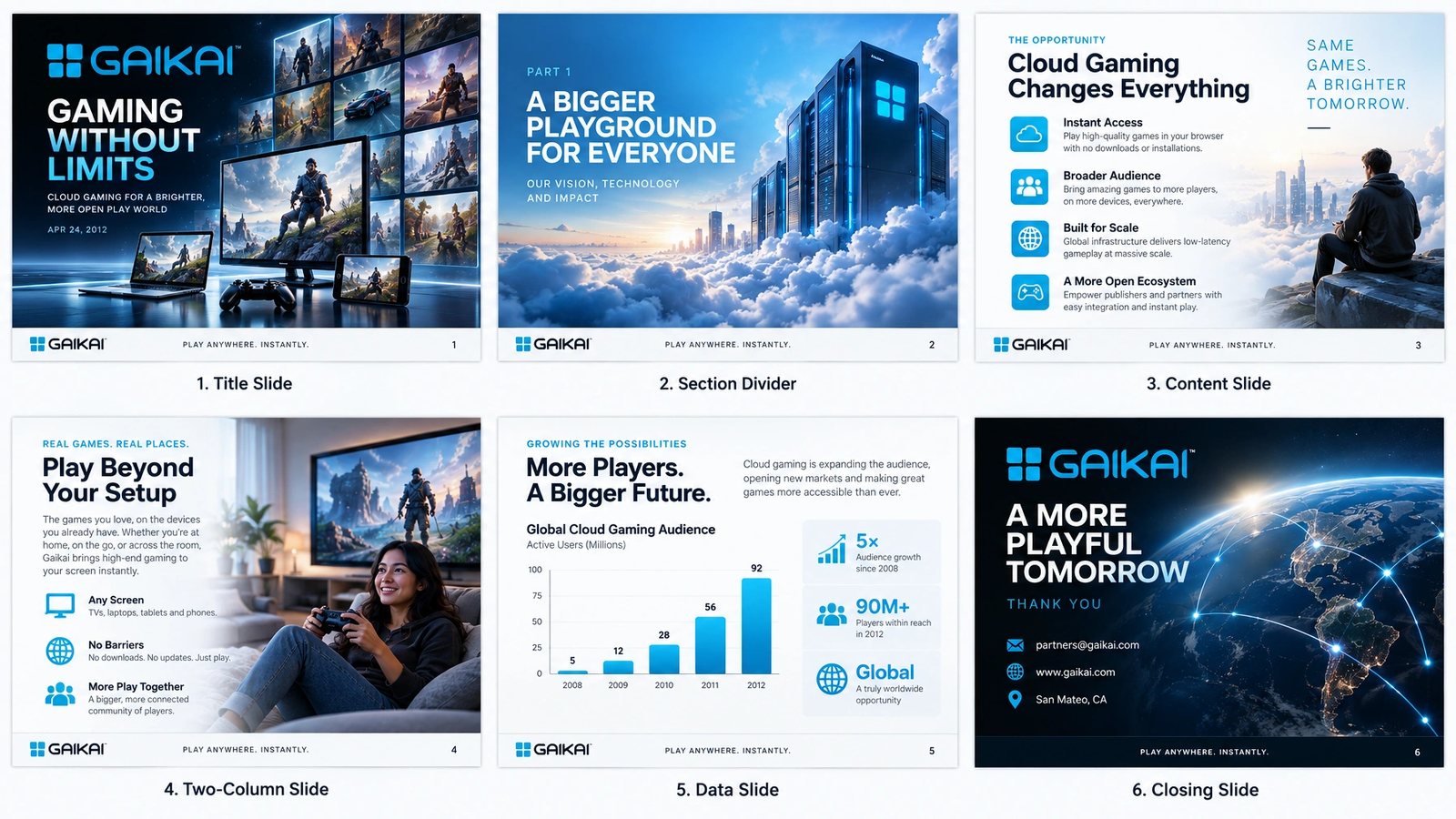
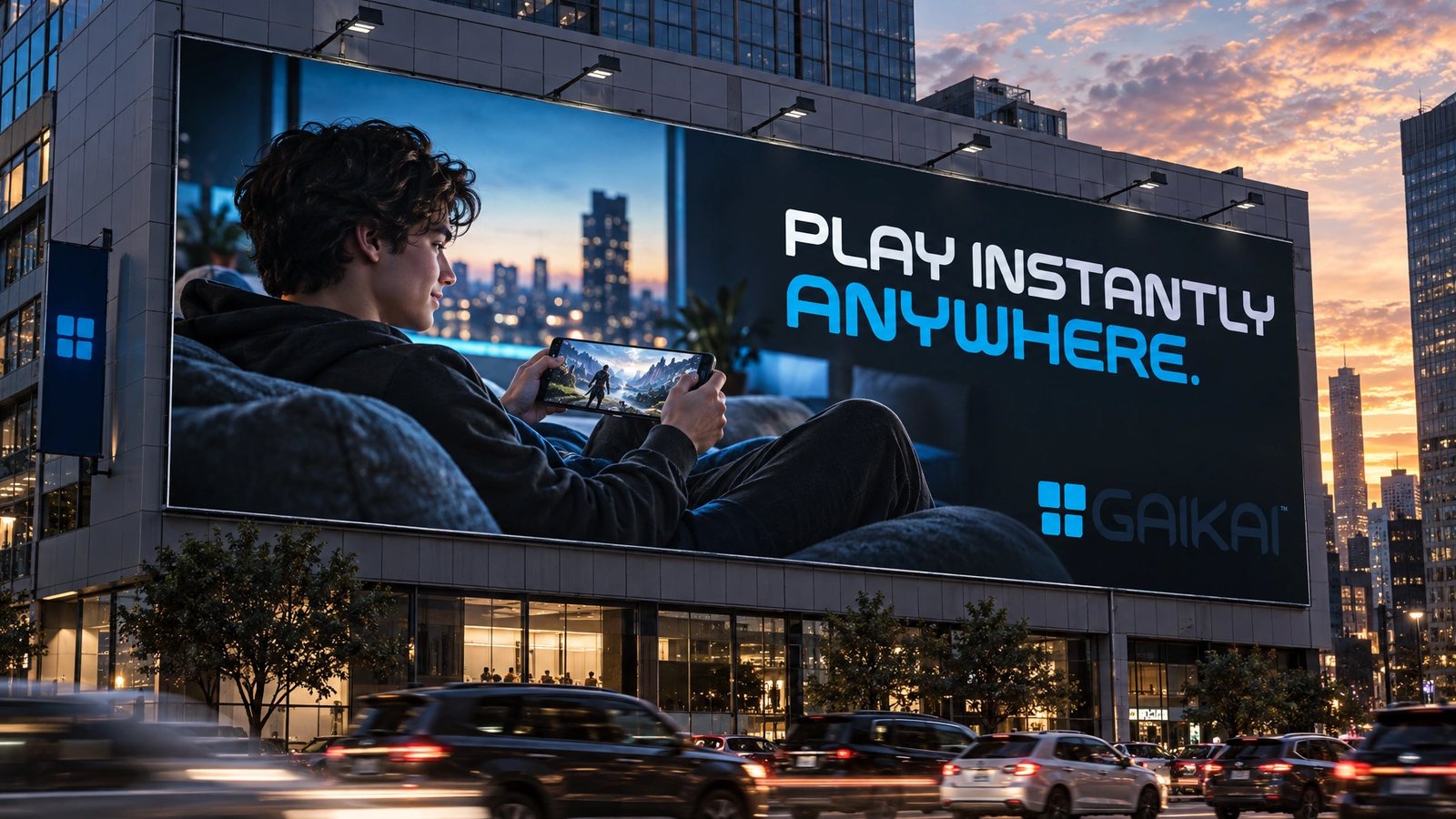
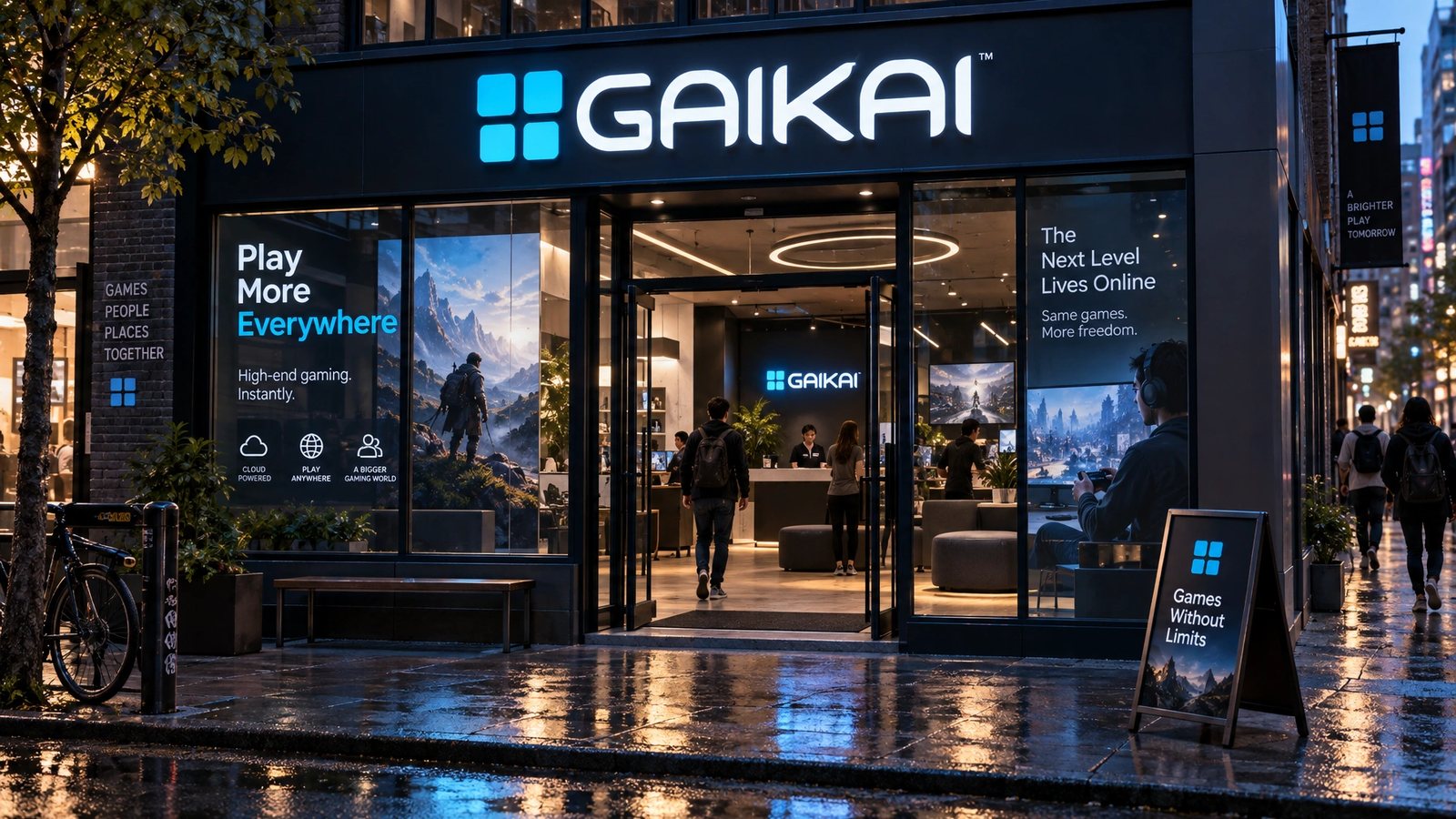
The Gaikai name and logo belong to Sony. The dashboards above are my design and front-end work; the brand world is a 2026 study made with my own tool, not work for Gaikai or Sony.
Your games. Our servers. Delivered everywhere.
Gaikai, the brand DNA
Role
Gaikai for the tools. A 2026 study for the brand world.
Early employee
Senior web developer, January 2011 to September 2012, through the acquisition by Sony.
Design and front end
Lead designer and front-end engineer on the system managing game servers across operations centres worldwide.
Brand DNA
Extracted and locked: palette with roles, type, voice, imagery rules, anti-defaults.
Thirty-three surfaces
Identity, colour, type, icons, accessibility, voice, patterns, motion, photography, illustration, print, packaging, merch, events, digital, advertising, editorial, a presentation and out of home.
- Dashboard design
- Data visualisation
- Front-end engineering
- Cloud gaming
- Brand DNA extraction
- Brand systems
Next
The tools live in the archive with the rest of the startup years.
Browse the archive →